Sitting at the Feet of Elders – June 6, 2023 Sitting at the Feet of Elders – June 6, 2023

Guest: Chip Conley

Host: Sharon SalzbergReggie Hubbard

Tuesday, June 6, 2023

11am ET / 5pm CET

Sharon Salzberg & Reggie Hubbard welcome Chip Conley to “Sitting at the Feet of Elders”.

Chip is a co-founder of Modern Elder Academy. Inspired by his experience of intergenerational mentoring as a ‘modern elder’ at Airbnb, where his guidance was instrumental to the company’s extraordinary transformation from fast-growing start-up to the world’s most valuable hospitality brand, Modern Elder Academy is the first-ever ‘midlife wisdom school.’ Dedicated to reframing the concept of aging, Modern Elder Academy supports students to navigate midlife with a renewed sense of purpose and possibility.

Hosted by: Hosted by:

Chris Underhill

Social Entrepreneur and Professional Mentor

Chris Underhill MBE is a social entrepreneur and professional mentor. He has worked in the field of the Wellbeing, Resilience, and Mental Health since he started Thrive in 1978 (www.thrive.org.uk). The organisation provides to this day an opportunity for many people with different needs to benefit from gardening and horticulture whether as a hobby or a vocation. Chris is a serial social innovator and has established many organisations over the years in addition to Thrive. To give several examples: Action on Disability and Development (ADD), working in the developing world with disabled people creating systems of representation, advocacy, and policy creation. BasicNeeds in the field of community mental health worldwide, and citiesRISE in the field of mental health and the big city.

He has founded several other organisations as well, but coming up to date, he Chairs the Mental Health Collaboration of Catalyst 2030 and is cofounder of the Elders Council for Social Entrepreneurs. The Elders Council for Social Entrepreneurs gives practical support to founders as they make successions within and away from their organisations as well as the encouragement of younger social entrepreneurs as they field the complex challenges and transitions that inevitably confront them.

Chris is a well-known and sought after professional mentor and his practice, Mentor Services, has been carefully nurtured since 2000. Chris has been married to Giselle for 52 years, and they have three grown-up children and six grandchildren. He is an Elder of the Wellbeing Project and attended the Wellbeing Summit in Bilbao working on both Eldership and Mental Health within the wider context of Wellbeing. He is a recipient of the Skoll Award for Social Entrepreneurship, an awardee in Social Entrepreneurship of the Schwab Foundation, and a Senior Fellow of Ashoka. In 2000 he was honoured with an MBE by HRH the Queen for his work in disability and development.

Click here to learn more about Mentor Services.

Connect with Chris Underhill on social media :

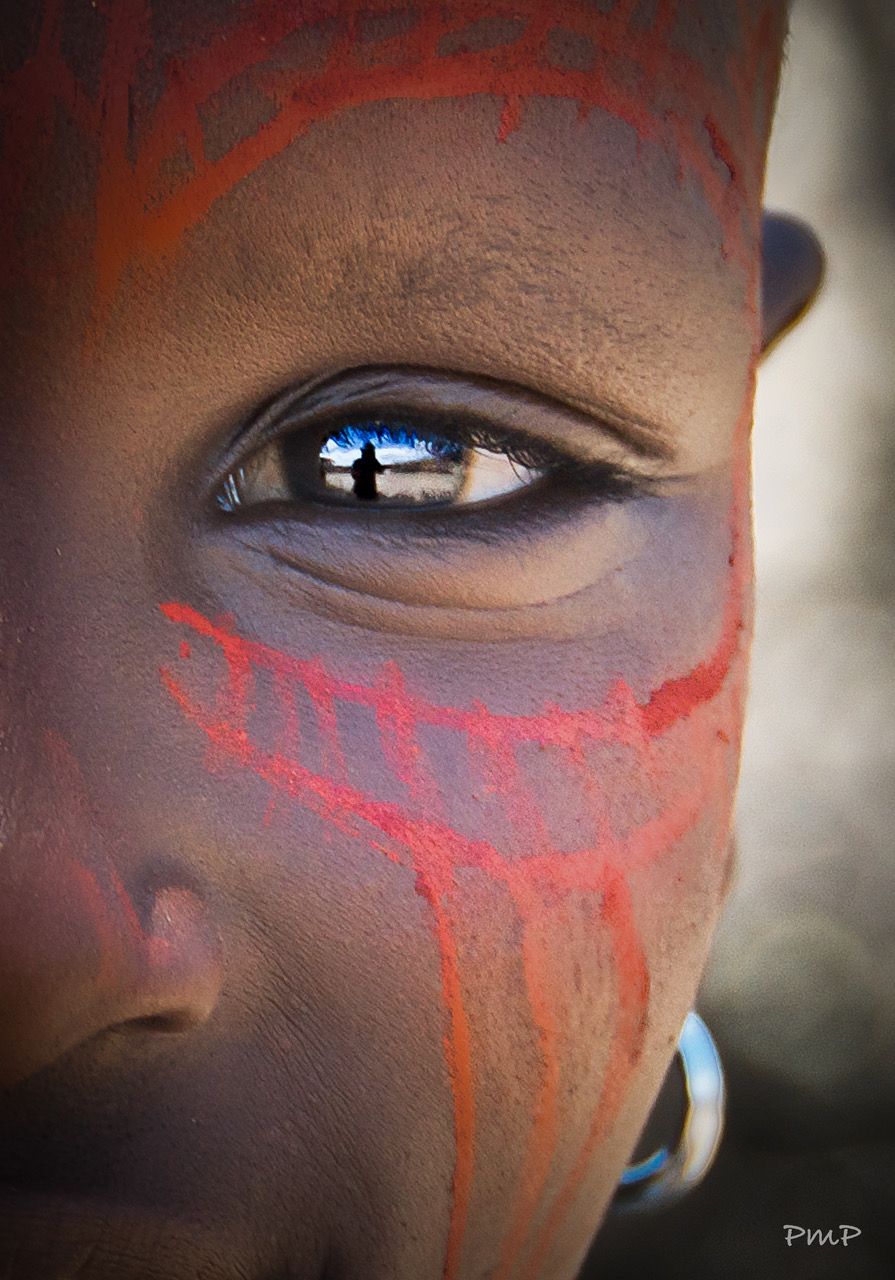
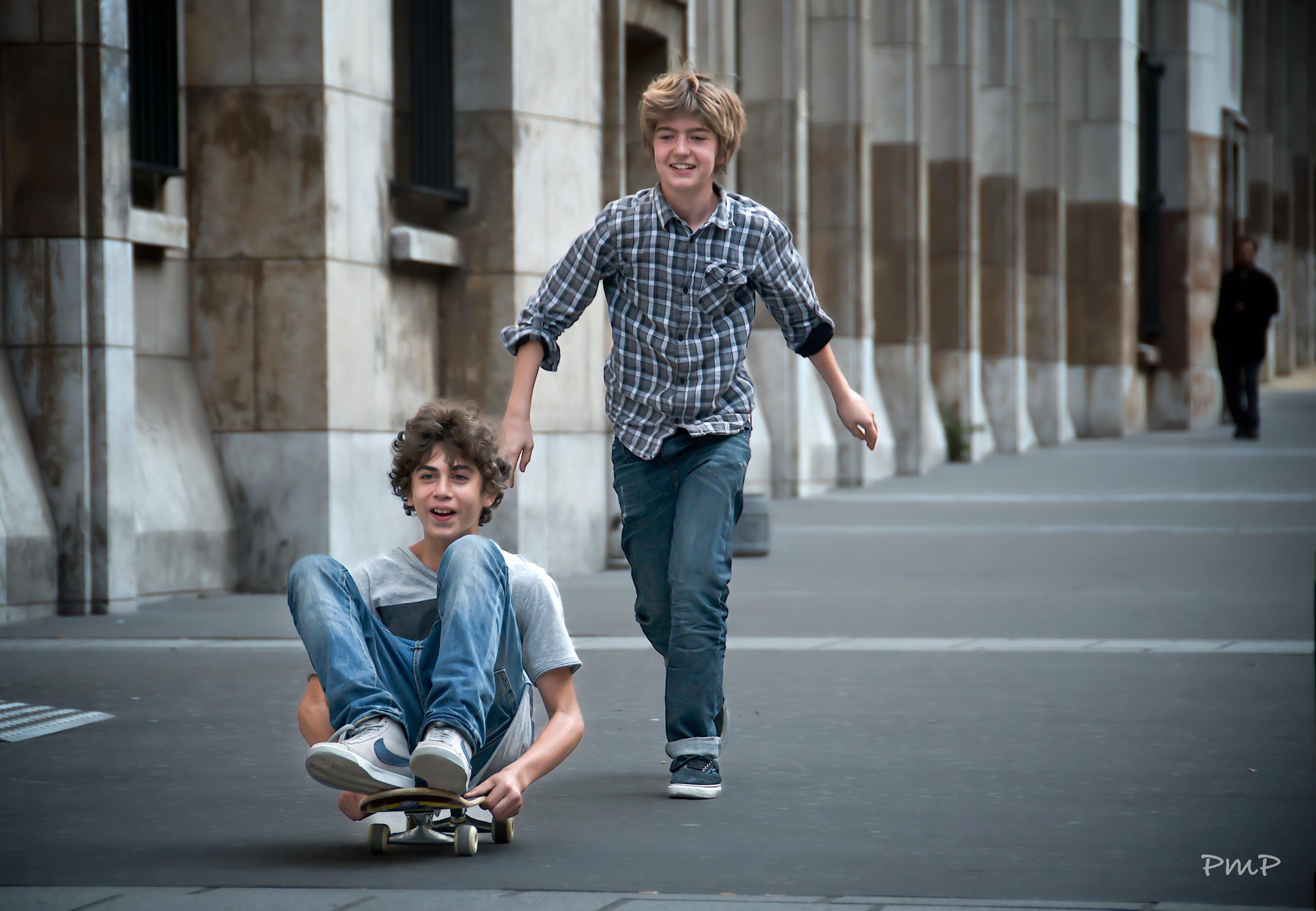
Art can have a powerful impact on your wellbeing. Art can have a powerful impact on your wellbeing.

Through our collaboration with Peter Mortifee, Co-Creation Team Advisor for The Wellbeing Project since 2014, we aim to showcase the link between art and well-being through his stunning photography. Peter’s reflections on well-being are captured in his thought-provoking images accompanied by insightful captions, which invite us to pause, reflect, and connect with our inner selves.

Join us on a journey of self-discovery and explore the transformative power of art and its ability to promote well-being!

Don’t Miss Our Latest Updates!

Follow  “Reflections on Wellbeing” in real time at: @thewellbeingp@petermortifee

Explore Peter’s entire photographic work here.

The Wellbeing Summit 2022 The Wellbeing Summit 2022

THE WELLBEING SUMMIT 2022, PLANTING THE SEED FOR A MORE SUSTAINABLE EVENT

The Wellbeing Project believes in environmental awareness and social inclusion. Sustainability was one of the organisational key guiding principles for The Wellbeing Summit’s first edition in 2022. From the event design, inspired by supporting the circular economy model, to measuring and planning for the reduction of carbon emissions; every aspect of the Summit was designed with sustainability in mind.

We set two main objectives:

  • Implement strategic actions towards holding a responsible event.
  • Better understand our carbon impact by measuring the event footprint.

We also looked to include programmes and themes in the Summit that would create discourse and raise awareness of our planetary crisis. We were supported in achieving these objectives by our partner UreCulture who specialises in environmental sustainability planning for cultural agents and non-profit organisations. 

With The Wellbeing Summit 2022 Sustainability Report we want to transparently share with you our journey and commitment towards sustainability.

Our first steps in 2022Our first steps in 2022

Strategic actions taken to reduce our environmental impact

Travel

As the primary source of emissions during an event, it is essential to be aware of the impact caused by traveling, to monitor it, and put in place preventive measures.

What we did:

  • Provide recommendations for responsible travel, including the invitation to delegates to make impactful donations in compensation for the carbon impact.
  • Offer Economy Class tickets to speakers, artists and grantee delegates.
  • A free hybrid option was also set up, with digital access through our event platform for participants wishing to follow the plenary sessions and have access to online exclusive content.
best_yutebag-pin

Materials

During any event, resources are widely used. Following the circular economy methodology, we tried to minimise resource consumption and waste wherever and whenever possible.

What we did:

  • Paper-free event.
  • Use of already existing buildings (no event tent/marquee).
  • All materials for the Welcome Pack were sourced locally (Spain and Portugal).
  • Yute tote bag instead of cotton tote bag.
  • No goodies, the only gift was a plantable pin with mint seeds.
  • All attendees’ badges were made of plantable seed paper and the badge holders of recycled cardboard.
  • No single use carpet.
  • All furniture was rented instead of bought and most was made from sustainable or recycled materials.
  • Stage of the Welcome Cocktail made from recycled wood pallets.
  • Staff t-shirts made from organic cotton and locally sourced.
  • No plastic bottles, but water fountains.

Food

The catering offered has an important environmental impact and it is crucial to opt for responsibly sourced food. 

What we did:

  • All our caterers committed to using organic (or equivalent), local and seasonal products. 
  • Vegetarian options were always available (low-carbon options).
  • Except for the Welcome Cocktail and the Lunch Box on the last day, all attendees were provided with lunch vouchers – to be used in local restaurants close to the main venue – in order to have a positive impact on the local economy and avoid waste systematically created by catered lunches.
  • The catering offered at specific smaller events was provided by a local association employing young people at risk of marginalisation.
best_food
Yazmany Arboleda - yazmany.net

City and venues 

The selection of the appropriate hosting city and venues are key to reducing the impact.

What we did:

  • Selection of a small city and specific venues which were all at maximum 15 min. walking distance between them and, alternatively, reachable by public transportation.
  • A public bus at an affordable price ran every 30 min. from the airport to the city centre.
  • For transportation of attendees with specific accessibility requirements, artists and speakers pick ups and production staff, electric cars offered by one of our sponsors were used.

Diversity, Equity and Inclusion (DEI) 

The Wellbeing Project is deeply committed to inclusivity, therefore creating an event in which everyone would feel represented and included was key. We also believe that the ecological challenge is a global one and that it can only be tackled by a diverse, inclusive and united community. 

What we did: 

  • The Wellbeing Summit 2022 was a “by invitation only” event in order to carefully curate the invitee list and ensure diversity and inclusivity. An example: 83 different countries and 6 continents represented. Still, anyone could express their desire to participate through a self-nomination process and each candidate was taken into consideration and carefully evaluated before being invited.
  • Selection of speakers and artists to ensure diversity and inclusivity. An example: 54.2% female speakers; 60.2% female artists.
  • Sponsoring for delegates with diverse backgrounds: 53.4% of delegates had a subsidy of their ticket. This could range from a partial subsidy all the way to a free ticket to attend TWBS 2022. For 10.4% of delegates The Wellbeing Project covered the ticket, the flight and the accommodation.
  • Management of visas to ensure diversity: 151 visa requests were managed by The Wellbeing Project.
  • All venues were accessible for people with disabilities or impairments and a support team was available on demand to guarantee full accessibility to everyone. An example : 7 accessibility requests for the full duration of the event were promptly attended.
  • Yoga mats and pillows were redistributed to local associations working with homeless people.
  • The catering offer at specific smaller events was provided by a local association employing young people at risk of marginalisation.
  • A contact list of babysitting services available in the city was provided on TWBS 2022 website.

Measuring our footprint: Our 2022 carbon audit

Like any human activity, major events impact their environment and the planet. We are fully aware of this responsibility and understand the opportunity The Wellbeing Summit has to lead by example.  It was crucial for the Wellbeing Summit to carry out an audit and measure the carbon impact of the event, as we can only change what we measure. 

The Wellbeing Summit 2022 carbon audit and footprint will act as our baseline to track and measure improvements in our 2025 edition.

Raising awareness for our planetary crisis to help create change Raising awareness for our planetary crisis to help create change

satish-meditation-imgl0957

We considered it fundamental to include environment-related content in the Conference and Arts Programmes in order to inspire, help raise awareness and create change.  

What we did: 

Examples of environment-related content in the Arts Programme:

Examples of environment-related content in the Conference Programme:

  • Satish Kumar, peace-pilgrim and environmentalist – Opening Plenary Session and morning meditation
  • Kumi Naidoo, human rights and environmental activist – Closing Plenary Session
  • Laureline Simon, founder and director, One Resilient Earth; Mallika Dutt, founder Inter-Connected, activist, social change leader; Carolin Schmee, partner at Manejo Ambiental; Clare Celeste, artist – Workshop “Our Relationship with Nature: How Climate Change Impacts Emotions”

The Wellbeing Summit 2022 Sustainability Report

Discover The Wellbeing Summit 2022 Sustainability Report, created in partnership with UreCulture and its team of environmental researchers and climate change consultants.  With this report we have taken the first step in the fight against climate change: measuring carbon emissions. 

The report outlines all the sustainability actions taken during the 2022 Summit and reviews the event’s carbon emissions. This is a significant step towards a more sustainable world and a great tool to identify areas of improvement with a commitment to continuously advancing.

Looking Towards The Wellbeing Summit 2025

In 2022 we planted the seed to align with best practice in sustainable and responsible events planning for The Wellbeing Summit 2025. 

Some preliminary ideas include:

  • Study environmentally-friendly modes of transportation to travel to the Summit.
  • Deepen our knowledge on how to reduce waste and support a circular economy, in collaboration with our providers and partners.
  • Look for providers and partners who share our values and are taking concrete steps to reduce their environmental impact.
  • Research innovative solutions for inclusivity as, for example, access riders.

Over the next two years we will continue to research and look for innovative solutions to reduce our environmental impact, promote eco-friendly and socially inclusive practices and design a sustainable experience for our attendees and stakeholders.

[mk_fancy_title color=”#ffffff” size=”38″ margin_top=”60″ font_family=”none” align=”center”]

Our Supporters

[/mk_fancy_title]
[mk_padding_divider]
[mk_padding_divider]
Thanks to our past and current supporters:

ANDRES & SILVANA CISNEROS

ARMONÍA

ASHOKA

ALV FOUNDATION

BEALIGHT FOUNDATION

BOSCH FOUNDATION

CARRARESI FOUNDATION

CHOU FAMILY

EKSKÄRET FOUNDATION

EMILY ELDREDGE

EUROPEAN CULTURAL FOUNDATION

EMBASSY OF CANADA IN SPAIN

GRIGGS FAMILY FOUNDATION

FORD FOUNDATION

GUERRILLA FOUNDATION

HIDDEN LEAF FOUNDATION

HALLORAN PHILANTHROPIES

HIL FOUNDATION

HUMANITY UNITED

NORTHPINE FOUNDATION

IMPACT HUB

[mk_padding_divider size=”60″]

IMAGINABLE FUTURES

INTER-AMERICAN DEVELOPMENT BANK

JAVIER ENTRECANALES & FAMILY

JESSE ESTRIN

JESSE & JULIE RASCH FOUNDATION

LULULEMON

LUNT FOUNDATION

MAITE ARANGO

MARIE CLAIRE DE BAUW

MAURITS SCHOUTEN + PETRA VELDHUIZEN

THE OMIDYAR GROUP

OMIDYAR NETWORK

NOMMONTU FOUNDATION

PANTA RHEA FOUNDATION

PEERY FOUNDATION

PORTICUS

RICHARD VENN

ROBERT H.N. HO FAMILY FOUNDATION GLOBAL

ROBERT WOOD JOHNSON FOUNDATION

[mk_padding_divider size=”60″]

ROHIT AND SONAL CHOPRA

ROHINI NILEKANI

PHILANTHROPIES

ROCKEFELLER FOUNDATION

RALPH TAYLOR

SAMIRA RAUTER

SHRUTI SHIBULAL

SCHWAB FOUNDATION

SKOLL FOUNDATION

SOMERSET FOUNDATION

SYNERGOS INSTITUTE

STEELCASE

TED ARISON FOUNDATION

TONY & FLAVIA PEREIRA

TRACY & MARK FERRON

UNIDOS EN RED

WALKER FAMILY FOUNDATION

WATSON FAMILY FOUNDATION

WISE (QATAR FOUNDATION)

[mk_padding_divider size=”60″]
[mk_padding_divider]
[mk_padding_divider]
Our First Grassroot Supporters:
[mk_padding_divider]

ADAM JANIKOWKSI

ALICE GRINDHAMMER

ANA DE AZCARATE

ANITA PUNAMIYA

BARBARA LE MARREC

BENJAMIN FINESTONE

BIDISHA BANERJEE

BRIAN PIRIE

CARRIE FERGUSON

DAVID HUNTER

GREGG VANOUREK

GWYN WANSBOROUGH

INES ENTRECANALES

JESUS TRIGUEROS

KATHLEEN FREIS

MARAYA PEARSON

MARTHA ASSELIN

[mk_padding_divider size=”60″]

MAX GILGENMANN

NIKI BARBERY BLEYLEBEN

PAUL ROBOCINSKI

SEVERN CULLIS SUZUKI

TOM LUCE

URSEL BIESTER

VANESSA REID

ANA MARIA SCHINDLER

YELIZ MERT

ANNE EVANS

BILL KELLY

CAMILLE JEANJEAN

CAROLINE GACHET

ELENA CRESCIA

ELIE CALHOUN

FELIX LITZKOW

[mk_padding_divider size=”60″]

GABI SEILER

JAN VISICK

JESSICA LAX

JOEL SOLOMON

KRISTEN HONEY

LUIZ BOUABCI>

MARCO LIGOURI

MARCO SANTINI

MARINA GAENSLY BLATTNER

MARTIN KIRCHNER

MUNA ABUSULAYMAN

NATHALIA PENDO

SACHIN MALHAN

SAMARA LEMKE

TARA ROBERTS

TIM BRODHEAD

[mk_padding_divider size=”60″]

The Business of Giving Podcast The Business of Giving Podcast

``WHY INNER WELLBEING IS ESSENTIAL FOR ALL CHANGEMAKERS`` THE BUSINESS OF GIVING WITH DENVER FREDERICK ``WHY INNER WELLBEING IS ESSENTIAL FOR ALL CHANGEMAKERS`` THE BUSINESS OF GIVING WITH DENVER FREDERICK

Social activists have a disproportionately poor quality of life. Many struggle with depression, burnout, high divorce rates, and financial pressure. And while 75% of changemakers surveyed felt that looking after their wellbeing was very important, only 25% reported they actually did to a great extent.

The Wellbeing Project was created to change the culture of the field of social change to one welcoming of inner wellbeing, and to catalyze an infrastructure to support everyone working in the field. They believe that wellbeing inspires welldoing. And here to discuss this work with us is Aaron Pereira and Sandrine Woitrin, the project leads of The Wellbeing Project.

Global Summit on Dance Movement Therapy for Change – Reflections Global Summit on Dance Movement Therapy for Change – Reflections

By: Anubha Agarwal , Research & Learning Manager at The Wellbeing Project

Date: January 2023

Last month I had the pleasure to represent The Wellbeing Project at the Fourth Biennial Global Summit on Dance Movement Therapy for Change in the eclectic and colorful city of Jaipur, Rajasthan in India. 

The two-day event was co-hosted by Kolkata Sanved – a non-profit organization based in India promoting holistic well-being through Dance Movement Therapy (DMT) and Center for Lifelong Learning (CLL), Tata Institute of Social Sciences – a unit of the leading public research university in India.  

The fourth biennale held on January 12-13th , 2023 in Jaipur was focused on exploring the role of DMT and other creative expressions in building our collective resilience for navigating a world that seems to be at a heightened risk of diminished ecological health and well-being. The 2023 Fourth Biennale DMT for Change was attended by a diverse global audience comprising of development sector professionals, including DMT practitioners, Creative Art Therapy (CAT) practitioners, social scientists and public health experts.

With a colorful mix of experiential sessions, workshops, panel discussions and art installations, the Summit events wove together seamlessly in a rich tapestry. While ecological well-being of planet Earth and the looming danger of the climate crisis was the dominant theme at the Summit, the event was peppered with participatory sessions and workshops employing music, visual arts and storytelling to express individual reflections. 

That artistic underlying theme at the Summit was evident, when at the time of registration, each Summit attendee was offered an option to choose a handheld musical instrument ( displayed below ). I found it amusing to briefly fiddle with the wide range of percussion instruments and select one, even though the intended use was not entirely clear to me. It became clear in time as the attendees enthusiastically sounded the percussion tools to endorse a speaker or an idea, infusing fresh energy and cheerfulness into the Summit events in the process. 

Before the Summit, I was unfamiliar with the role of dance movement therapy as a psycho-therapeutic healing practice. Even though it is commonly known that dancing releases mood-enhancing hormones in humans, I was curious to understand how DMT was different in terms of providing subsistence to trauma victims and survivors of violence in our communities. 

While I was quite thrilled to avail an opportunity to experience DMT through an experiential workshop at the Summit, I was also mindful not to participate in the workshop with the possibly unfair expectation to fully imbibe the therapeutic benefits of dance movement therapy. Considering DMT is a therapy, it might need longer duration support and intervention, than joining in one hour and a half long session. Having personally experienced the de-stressing effect of many dance forms in the past despite having two left feet, I was looking forward to experiencing DMT first hand. 

During the workshop, free flowing movements that came naturally to each one of us were encouraged, the underlying thought being that DMT is a safe space where in every individual is free to express themselves in the way they want. In line with this tenet, an unfamiliar yet intriguing section of the workshop encouraged each participant to imagine their physical body as a paint brush and to use their limbs and torso to paint a limitless, imaginary canvas. Shifting my mental lens to think of my physical form as a paint-brush took some getting used to but eventually the infectious energy of the workshop cohort took over.  

I admit to feeling mentally relaxed and exhilarated post-workshop but still curious to understand how DMT could potentially serve as an antidote to counteract violence in our vulnerable communities. In a country like India, society norms can be quite restrictive of womens’ movement outside the society- or family-ordained ‘safe’ physical spaces, so I felt it would have been insightful to know how the DMT practice can support individuals in freely expressing their possibly repressed agency and take better care of their holistic well-being. In retrospect, I think hearing narratives from DMT practitioners who use DMT as a tool to navigate everyday threats to their physical and mental well-being, would have been of immense value in understanding the practice better. 

It is entirely possible that such narratives may have already been shared in the past Summit editions, but as a first-time participant, I missed the absence of such narratives. I did get to interact with a couple of DMT practitioners who mentioned that the practice helps them cope with everyday stress and shift the lens on how they view their lives. 

[mk_padding_divider size=”20″]

One of the key learnings for me during the Summit was the reinforcement that approaches to enhance one’s well-being are quite individualized. Availing the opportunities to experience different expressive art forms at the Summit was a constant reminder that there is no one-size-fits-all approach to well-being. An art therapy that might have a profound impact on one, might fail to put a dent on another individual’s well-being. 

There is also the question of lack of funding to support well-being – the proverbial elephant in the room. However, until the world decided to acknowledge the presence of the aforementioned elephant and fully awaken to the mental health crisis we are in, one of the speakers at the Summit offered a slightly simpler solution to cope, “Art therapy is expensive… a good place to start is to start noticing what art tools you have easy access to at home such as fallen leaves, spices or other readily accessible elements of nature often overlooked. Art material could be taken from elements that are part of an individual’s environment or identity.” 

The two-day DMT Summit for Change feels like a great step in the right direction as such gatherings help mainstream conversations on mental well-being and facilitate the oft-forgotten human connect. Overall, the two days left me feeling happier, joyous and craving for more opportunities to rekindle the deeper human connect, that often gets overlooked in our everyday lives, but that such events help us remember. 

The reigning emotion for me at the end of the two-day art-based DMT for Change Summit and 2022 The Wellbeing Summit was that of HOPE. Hope for mental well-being taking center stage at a global level, specifically in cultures that in the aftermath of the pandemic are slowly opening up to talking about mental health and well-being.