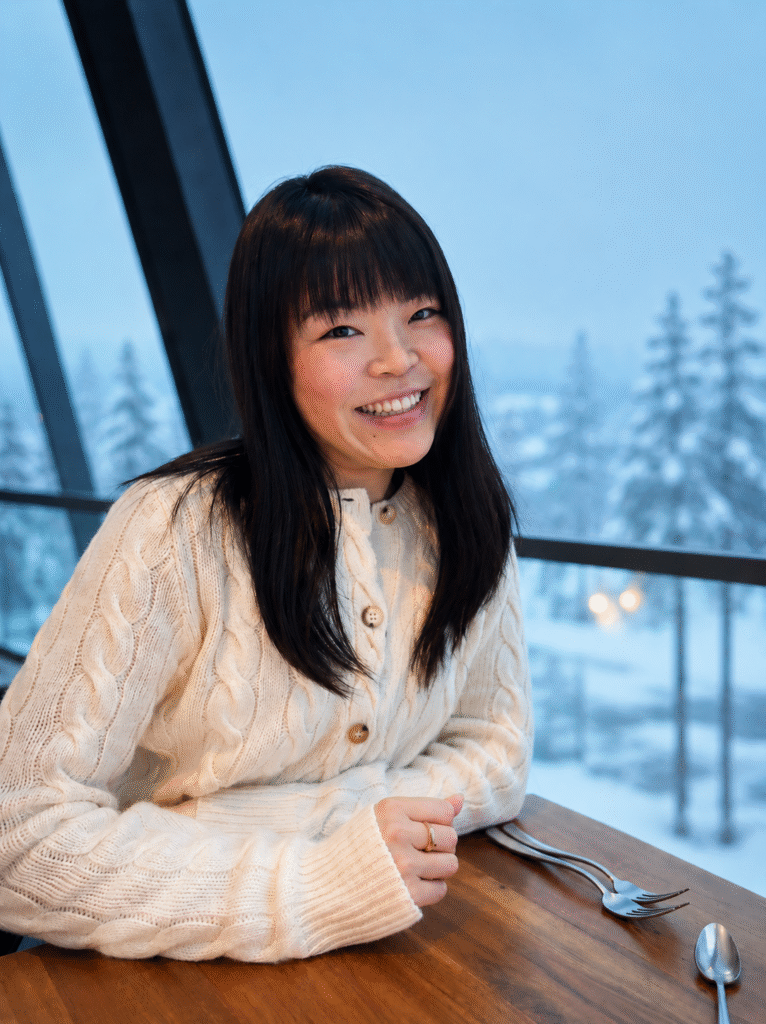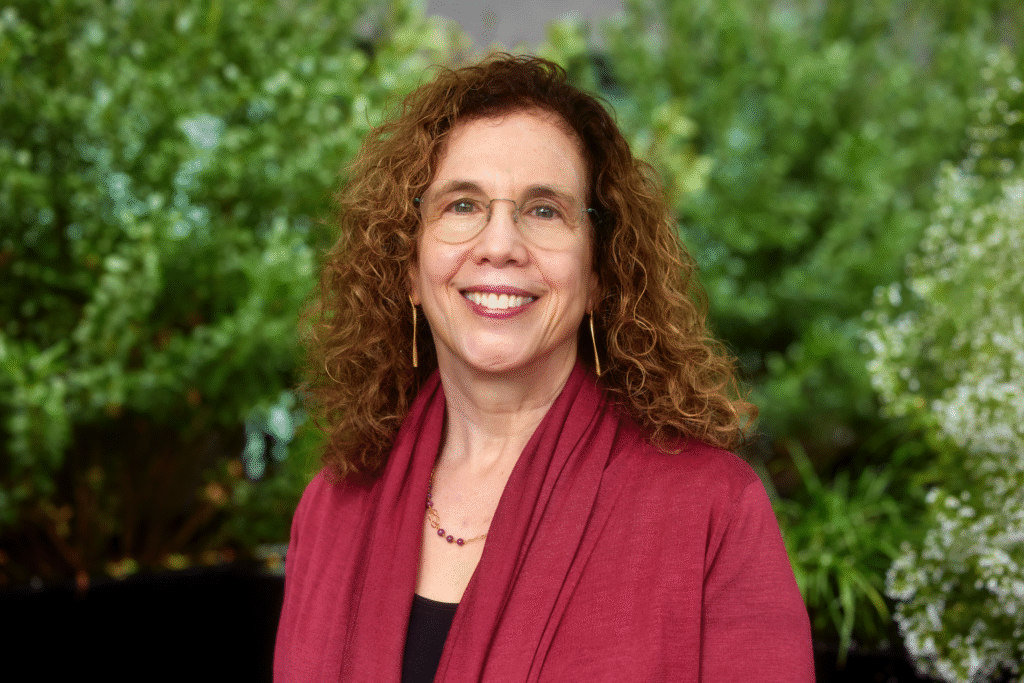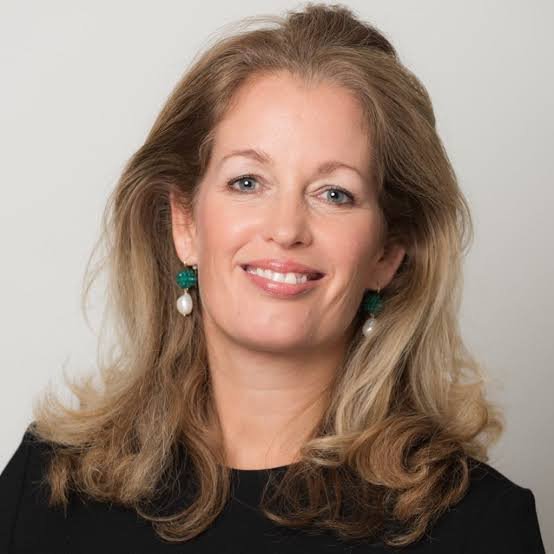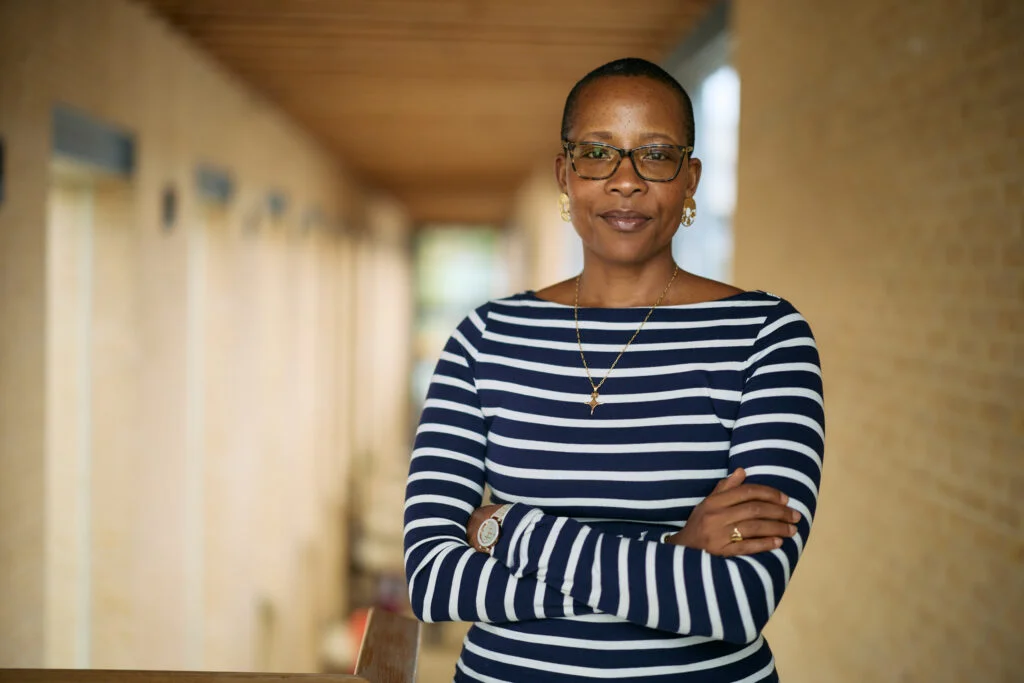


Buenos Aires, Argentina
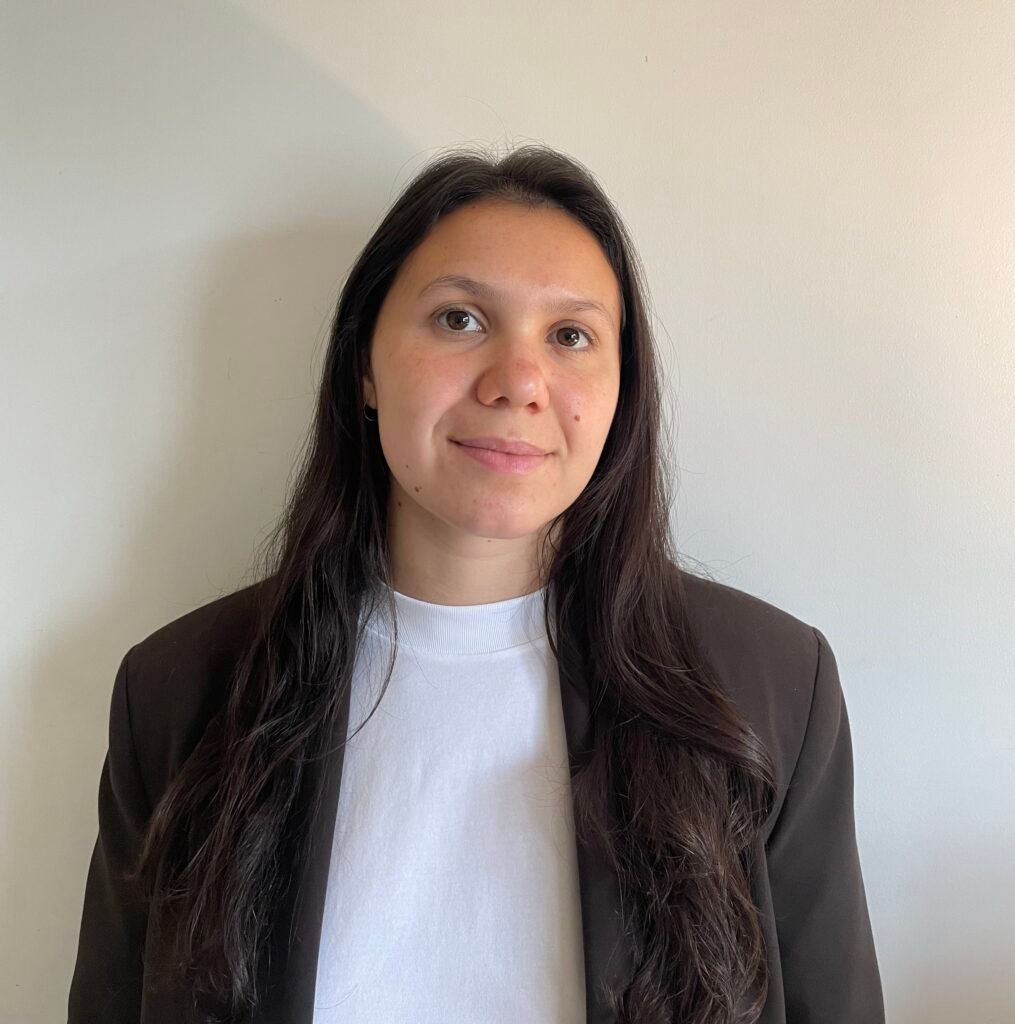
My name is Joaquina, and I am the Networks Coordinator at The Wellbeing Project, where I support the growth and engagement of a global community of changemakers. I work closely with partners and members to foster meaningful connections, facilitate collaboration, and strengthen the network’s collective impact.
With a background in International Relations, I am deeply interested in the intersection between global cooperation, wellbeing, and social change. I am passionate about creating spaces that nurture connection, learning, and collective care.
To me, inner wellbeing means being connected to myself, my values, and my sense of purpose, while also creating balance and space for growth, reflection, and care.
Care
Meditation
I believe prioritizing wellbeing is important because it shapes how we relate to ourselves, others, and the world around us. When individuals, organizations, and societies are well, they are better able to build healthier, more compassionate, and sustainable communities.
Podcast: On Purpose with Jay Shetty
Book: “Los cuatro acuerdos” del Dr. Miguel Ruiz

Mérida, Yucatán
Connect with Grecia:
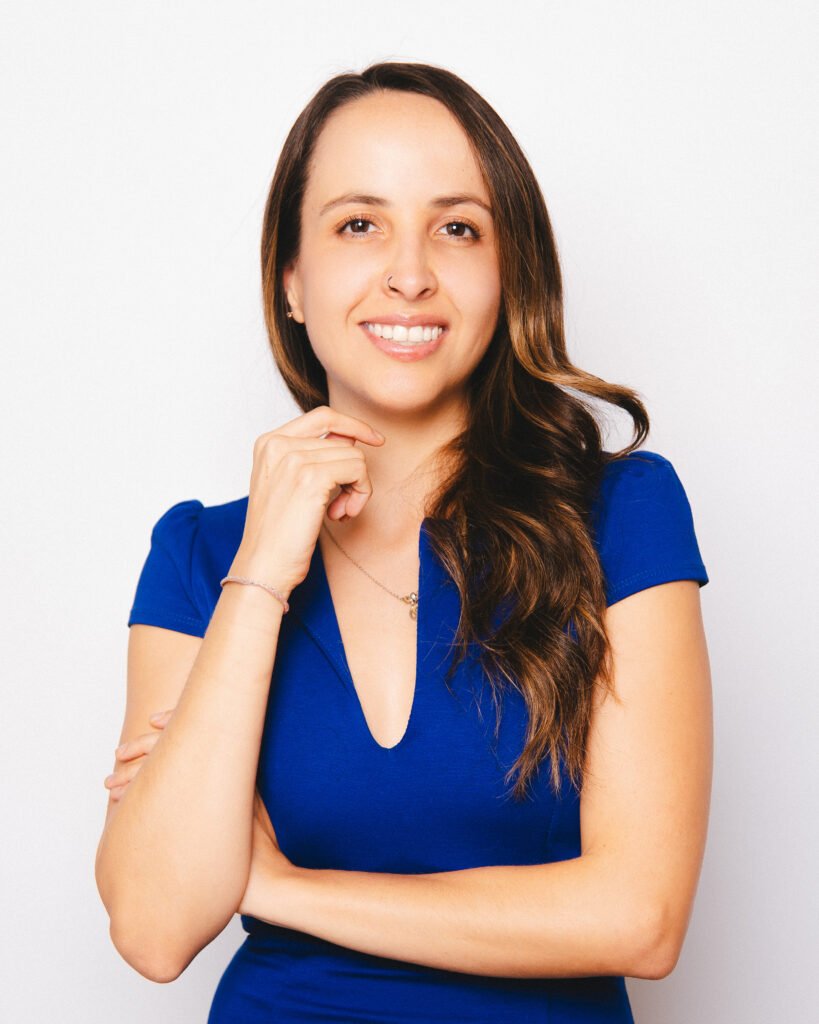
Grecia is a sustainability and social impact professional who is passionate about creating the conditions for people and communities to thrive. With more than 10 years of experience in sustainability, social responsibility, volunteer engagement, and inclusion, she has worked to build bridges across sectors, foster meaningful relationships, and support collective action for positive change.
She believes that wellbeing is both a personal and collective journey, and that nurturing connection, belonging, and compassion is essential for creating a more sustainable and equitable future. Grace is energized by bringing people together, facilitating collaboration, and helping cultivate spaces where purpose, learning, and care can emerge and grow.
Outside of work, she enjoys spending time in nature, advocating for animals, embracing a plant-based lifestyle, and sharing life with her beloved dog, Nachita.
Inner wellbeing means being connected to myself with honesty, compassion, and presence, while staying aligned with my values and purpose, even during times of uncertainty.
Belonging.
Spending time in nature, walking with my dog Nachita, practicing gratitude, and creating meaningful moments of connection with the people I care about.
Because wellbeing creates the foundation for people and communities to thrive. When individuals feel supported and connected, organizations become healthier and more human-centered, and together we can contribute to a more compassionate, resilient, and sustainable world. The wellbeing of each person is deeply interconnected with the wellbeing of the collective.

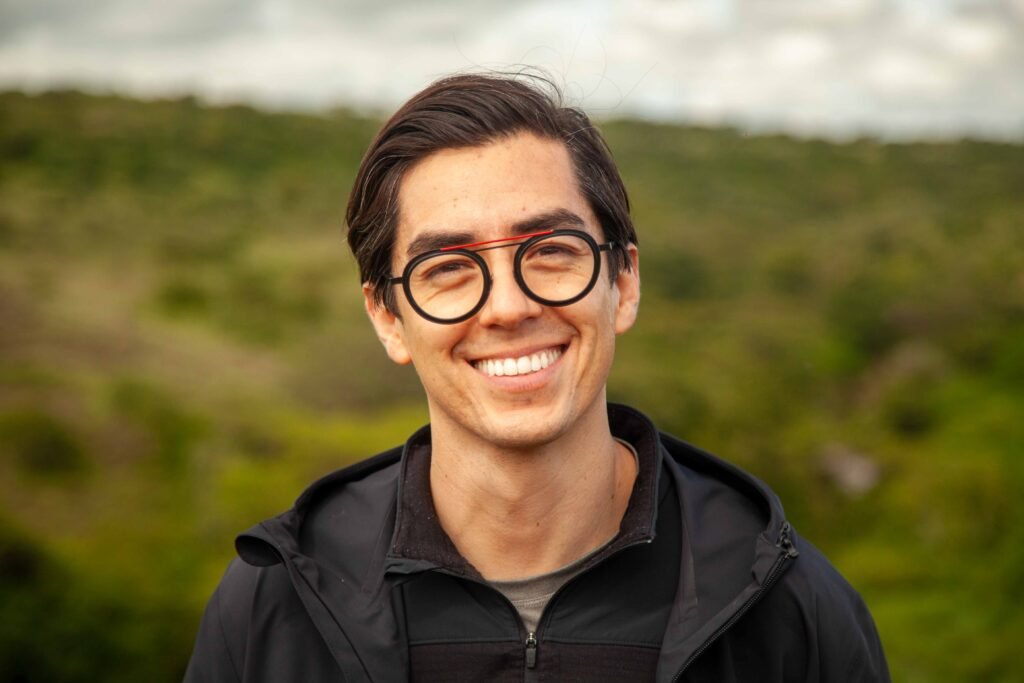
Ramsés is a Skoll Fellow and Director for Regional Ecosystems at The Wellbeing Project, helping place wellbeing at the heart of social change.
He strengthens ecosystems that support changemakers to act with greater joy in ways that are sustainable, congruent, and scalable, bridging inner wellbeing with collective and systemic transformation.
Across Latin America, he has advanced social entrepreneurship and social innovation in business and Higher Education. Previously, he led Sistema B (B Corp movement) in Mexico, Ashoka U in Latin America, and co-founded Impact Hub Mexico City.
He holds a Master’s in Innovation for Business Development and a BA in International Business (Magna Cum Laude) from Tecnológico de Monterrey. He is a member of the Compassionate Leadership Network (supported by His Holiness the Dalai Lama and led by Daniel Goleman, Tara Goleman, and Dr. Richard Davidson), as well as the BMW Foundation Responsible Leaders network. He also serves on Ashoka’s Mexico selection panel and sits on the board of Ashoka Mexico.
Ramsés believes that a deep redefinition in how humans relate to one another and planet is vital to solving humanity’s greatest challenges.Through this experience, I have developed a deeper understanding of how well-designed financial, informational, and collaborative systems can support communities and enable organisations to work toward social and environmental well-being.
What does inner wellbeing mean to you?
I perceive inner wellbeing as one of the most effective and yet one of the most challenging ways of being.
How would you define wellbeing in one word?
Authenticity. One thing that I’ve observed (and experienced!) to be true is that the more we are in contact with ourselves, the “easier” it is to pursue what is relevant and true. To be able to define authenticity as a path for wellbeing has been the result of a very long and on-going personal journey
Are there any rituals or practices you use to enhance your wellbeing?
Nature has been increasingly my go-to place. Also, one of my key learnings after attending the Wellbeing Summit was the idea of “going home”, which has nothing to do with a physical place per se but rather being in constant connection with myself
Why is it important that we prioritize individual, organizational and societal wellbeing?
So that the work of our field becomes more enjoyable, congruent, and sustainable.
Do you have any favorite books, podcasts, or articles that you believe support, promote or educate on wellbeing and related themes?
Yes. On Being by Krista Tippett is my go-to Podcast when I am in need of inspiration. These are two of my favorites episodes: Ai-jen Poo, This Is Our (Caring) Revolution – Listen to the Podcast, and Ocean Vuong, A Life Worthy of Our Breath – Listen to the Podcast

Bogotá,
Colombia
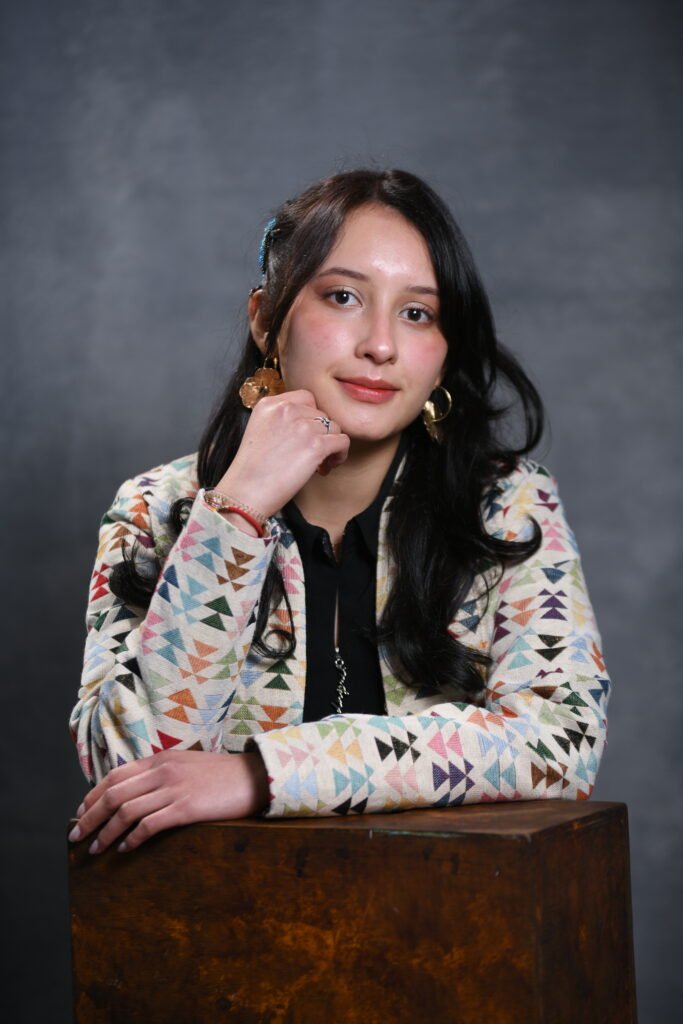
My name is María Fernanda Zúñiga González, a Colombian biologist and designer at the Universidad del Rosario, Bogotá, Colombia. My work explores the intersection of science, design, and care, focusing on how complex knowledge can be translated into accessible and meaningful experiences for society. From an early age, I have been driven by curiosity, exploring interests that ranged from studying insects to learning handicraft techniques such as crocheting and sewing.
I initially pursued a degree in Biology, where I participated in research groups in ecology, genetics, and medical microbiology, contributing to three peer-reviewed scientific publications. While completing my dissertation during the COVID-19 pandemic, I became aware of the communication gap between scientific knowledge and the public, particularly regarding health and disease. This realisation led me to transition into design in order to develop new ways to communicate science through visual, interactive, and material approaches.
I have also participated in international academic experiences at the University of the Fraser Valley in Canada and the University of Applied Sciences Upper Austria, where I explored emerging technologies, including artificial intelligence, in creative practices and game design.
In addition to my academic work, I currently collaborate with The Wellbeing Project, supporting the fundraising and finance team. My responsibilities include organising and maintaining donor and network data, reviewing contracts and documentation to ensure compliance with donor requirements, supporting financial reporting, and contributing to quality control of the fundraising pipeline. I also assist with donor database migration and CRM implementation, helping transition organisational data into more structured systems.
Through this experience, I have developed a deeper understanding of how well-designed financial, informational, and collaborative systems can support communities and enable organisations to work toward social and environmental well-being.
What does inner wellbeing mean to you?
For me, inner wellbeing means being in a reflective state of inner peace and transmitting calm to those around you.
How would you define wellbeing in one word?
Reflection
Are there any rituals or practices you use to enhance your wellbeing?
For my well-being, playing sports and doing manual activities such as crocheting or embroidery help me relax my mind. I also find comfort in spending time with my family and petting my dog.
Why is it important that we prioritize individual, organizational and societal wellbeing?
It is important to first work on individual well-being and then scale it up to the organizational level, just as biological systems function—from the cell to the organ and the human body. Damage to a single cell can disrupt the functioning of the entire organism. In the same way, every unit in a society is equally important.
Do you have any favorite books, podcasts, or articles that you believe support, promote or educate on wellbeing and related themes?
I recommend the books “Once upon a Cow” and “Find Your Vitamin Person,” which help you conduct a self-assessment of your behaviours.
Connect with Maria Fernanda Zúñiga González on social media :

Paris,
France
Laurent has worked for over 20 years in marketing and communications, with a constant focus on bringing structure and clarity to organizations driven by strong social and ecological commitments. Beyond his professional work, he has been engaged with grassroots and non-violent movements, exploring the deep connection between inner transformation and systemic change — a conviction he has pursued through writing and documentary filmmaking.
What does inner wellbeing mean to you?
It is about creating the conditions in your life that allow this space to exist and to be nurtured through consistent practice
How would you define wellbeing in one word?
Mental Peace
Are there any rituals or practices you use to enhance your wellbeing?
I practice a 20mn meditation every morning as soon as I wake up.
Why is it important that we prioritize individual, organizational and societal wellbeing?
Wellbeing is not only an individual matter. It is also about the way we interact with our community and with nature — and, ultimately, the deep understanding that everything is interdependent and interconnected.
Do you have any favorite books, podcasts, or articles that you believe support, promote or educate on wellbeing and related themes?
My most recent read — and current favourite — is “Reconciliation: Healing the Inner Child” by Thich Nhat Hanh
Connect with Laurent Muratet on social media :

Lugano,
Switzerland
Giuliana is a sociologist, social researcher, and program lead whose work is rooted in a deep curiosity for people’s stories, beliefs, and emotions. For her, working towards social change is both a method and a practice of listening, learning, and co-creating with individuals and communities across diverse socio-cultural, national, religious, and generational contexts. Over the past decade, she has led research-informed design, implementation, and evaluation processes for social and cultural change initiatives in Colombia, Kuwait, and internationally, working with public institutions, NGOs, and civic organizations.
Her work centers on the exploration and reshaping of social norms and cultural narratives, and on the integration of art, play, and embodied practices into systems change and community-building efforts. She has led participatory research and transformative learning programs that advance radical inclusion, inter-communal dialogue, and collaborative resilience, including the Hearth Summit Kuwait.
Giuliana’s understanding of the interconnectedness of individual, collective, and environmental wellbeing is informed by theories emerging from intersectional feminism, politicized somatics, and healing justice. Guided by an anti-oppressive and social ecology lens, she is committed to cultivating spaces where people can reconnect with their bodies, one another, and the ecosystems they inhabit, and where more just, compassionate, and life-affirming futures can be imagined together.
What does inner wellbeing mean to you?
Capacity to feel centered in (and embody) dignity, safety, belonging, and purpose.
Are there any rituals or practices you use to enhance your wellbeing?
Contemplative practices, somatic therapy, mindfulness methods, breathwork.
Why is it important that we prioritize individual, organizational and societal wellbeing?
Because feeling more at home in our bodies, in our lands, and in our relationships with others helps us imagine more just, compassionate, and life-affirming futures for all.
Do you have any favorite books, podcasts, or articles that you believe support, promote or educate on wellbeing and related themes?
I’m a very big fan of the work of Staci Haines and Adrienne Maree Brown.
Connect with Giuliana Lomonaco on social media :