
Global Expressions Of The Arts, The Universal Language of Wellbeing Global Expressions Of The Arts, The Universal Language of Wellbeing
Arts x Regional Hearth Summits
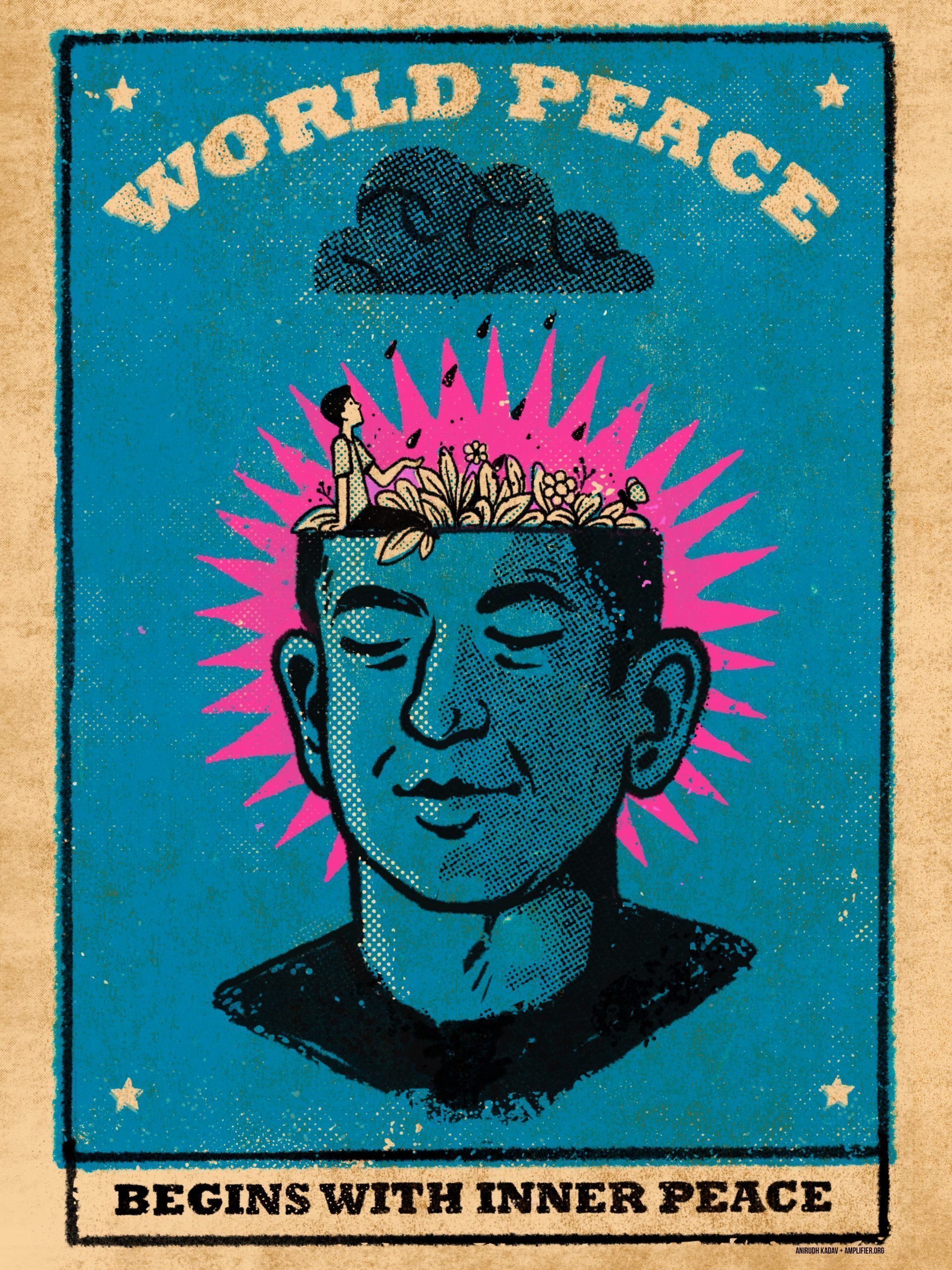
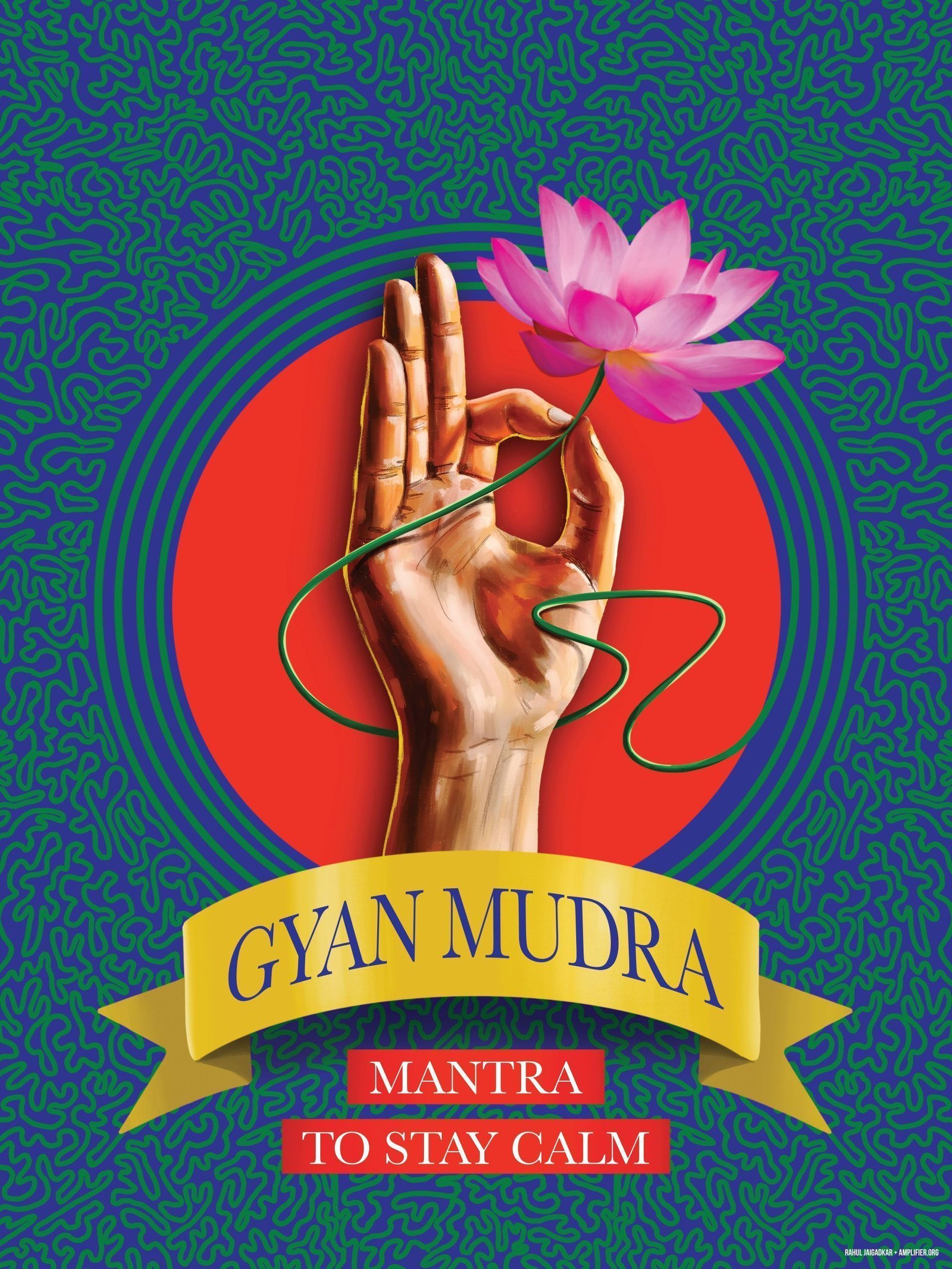
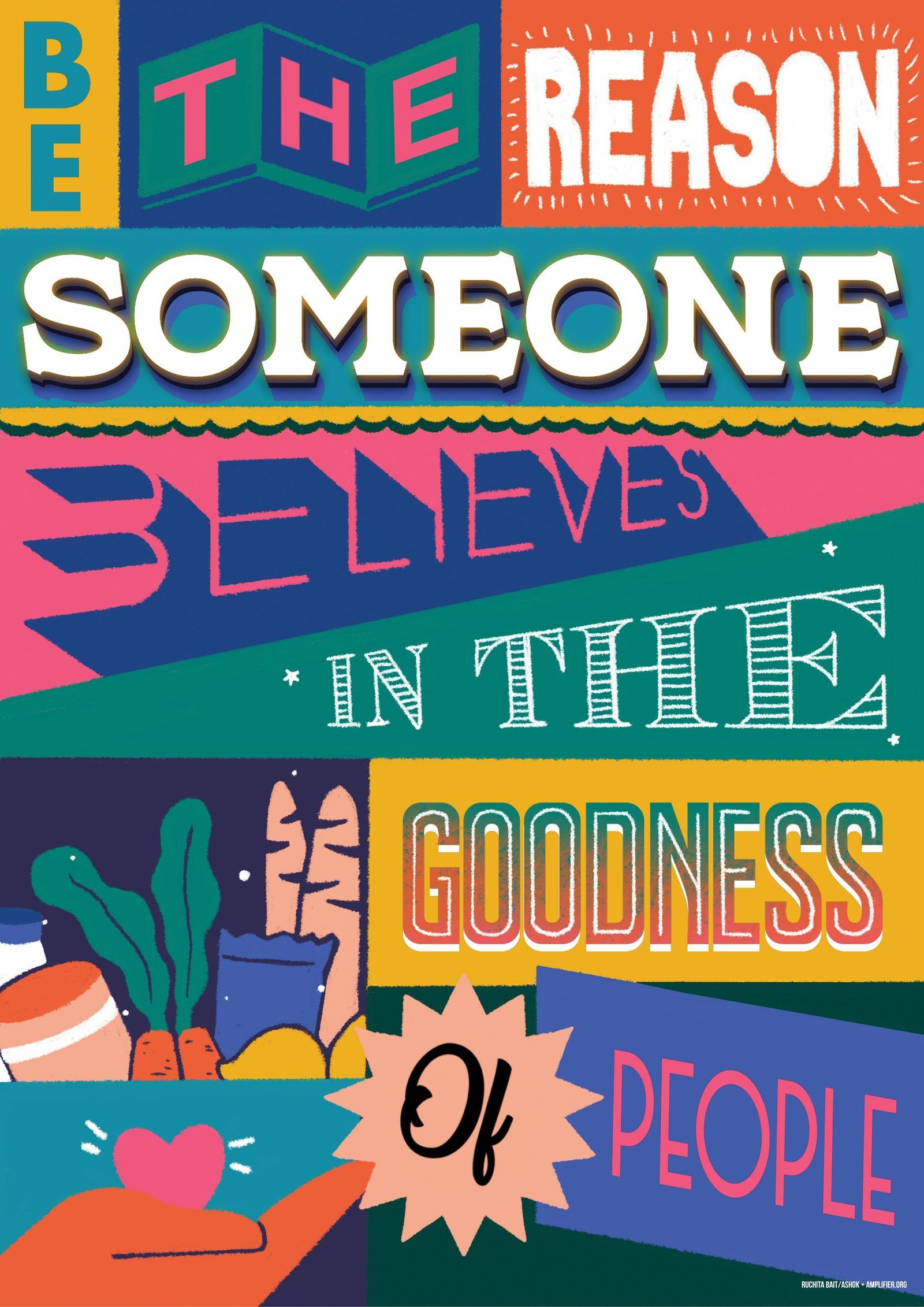
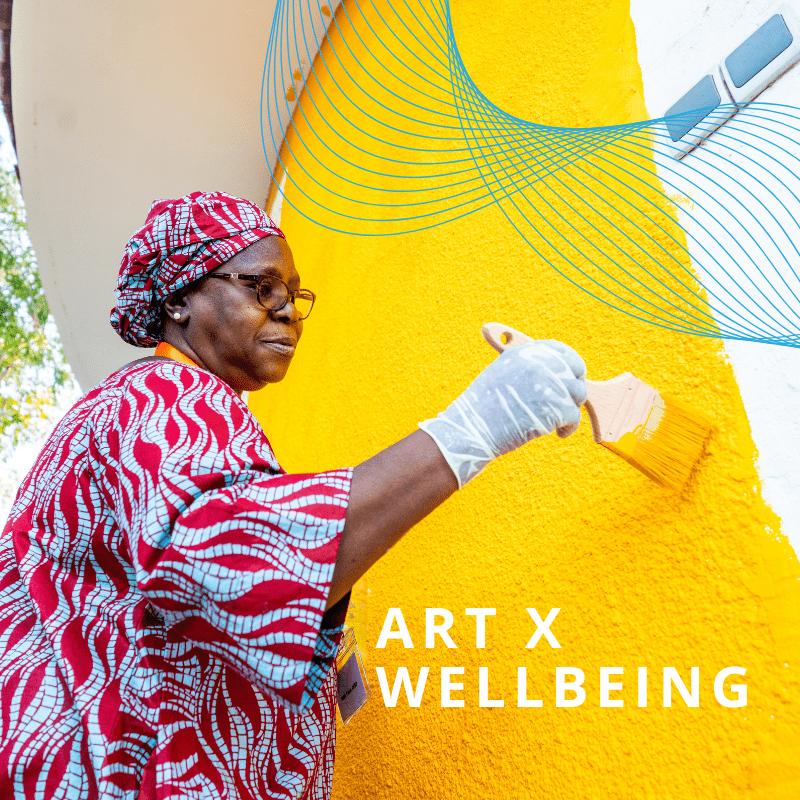
As a universal language for human connection, emotion, and experiences, the arts are at the heart of the regional Hearth Summits. They celebrate the diversity of our global network by welcoming local artists, dancers, musicians, performers, and other creatives to encourage us to experience and reflect on wellbeing in unique ways. At these gatherings, the arts invite us to immerse ourselves in the sights and sounds of global cultures while exploring key topics in the wellbeing for social change space.
Discover a mosaic of perspectives on wellbeing through this rich tapestry of artistic expression at these incredible gatherings.
Music & SongMusic & Song
“Where words fail, music speaks.”
Hans Christian Andersen
Colombian singer Fonseca brought a larger-than-life concert to the Wellbeing Summit in his hometown of Bogotá.
Dak’Harmony, a group of music enthusiasts from Dakar, brought upbeat African music and covers of classic songs to the closing celebration of The Wellbeing Summit Dakar-Thiès
Roll The Voice, a collective of multidisciplinary musicians with diverse abilities in Bogotá, invited audiences to explore their perspectives on disabilities through their energizing hip-hop performances.
Oro y Platino, a group from the Condoto Chocó region of Colombia, shared soulful renditions of alabaos, traditional Afro-Colombian songs of mourning and healing.
Wellbeing of the World, a collaborative project from Tod Machover and the MIT Media Lab, unites the Summits by inviting participants to co-create a symphony of global wellbeing sounds.
French-Israeli singer Yael Naim shared her experience healing with the arts and treated The Wellbeing Summit Brussels to an intimate performance of her soulful music.
Black Keme (Antoine Indega Boubane) embodied the fusion of tradition and modernity in African music by weaving in his cultural Bassari heritage in his performances.
Harpist Alix Collin rang in each new session at The Wellbeing Summit Brussels with the powerful, vibrating sound of the gong.
Bangladeshi mental health activist and musician Farzana Wahid Shayan gifted moving performances of songs dedicated to the themes of forgiveness and self-empowerment.
Local youth performed dances mixing traditional Bangla moves with modern sounds, all set against the musical backdrop of songs that inspired the freedom fighters in Bangladesh’s 1971 independence war.
Tuntun Shah Baul offered the soul-stirring melodies of traditional Baul music, which embodies the inner pursuit of peace preached by the Bengal mystic, Lalon.
Sister Fa (Fatou Diatta), a Senegalese rapper and activist, reflected on her wellbeing journey and social change in Africa with an invigorating hip-hop performance.
Music Creatives for Change
Session at Hearth Summit Athens
In Athens, a co-created agenda with arts group Act in Synch invited changemakers to reflect on social change through an artistic lens. In the music industry, different musicians, producers, organizers, and non-profits have been taking a step outside their bubble to drive change in both environmental and social justice arenas. Hear from four different examples from EarthPercent, EarthSonic, In Place of War, and Music Declares Emergency. Watch the session (in English).
THEATRE THEATRE
“I regard the theatre as the greatest of all art forms, the most immediate way in which a human being can share with another the sense of what it is to be a human being.”
Thorton Wilder

“TOM MBOYA”
BY TOO EARLY FOR BIRDS
In Nairobi, changemakers were captivated by stories from Too Early for Birds, a Kenyan theatre show that retells, presents, and narrates the most scintillating parts of Kenyan history that school books failed to mention. The group shared the story of Tom Mboya, one of the country’s most illustrious luminaries, in honour of the 55th anniversary of his death. Through an enchanting, engaging mix of theatrics, they reflected on the life of a man who inspired a new generation of young, brilliant, energized Africans driven to make the best out of freshly independent African nations — and in whose footsteps Kenyan Gen-Z are walking in 2024.

“MONDIAL.E.S”
BY BRRR PRODUCTION
At The Wellbeing Summit Dakar-Thiès, Brrr Production, a Dakar-based theatre company exploring political and social issues, performed MONDIAL.E.S. This piece explores the role of women in Senegal and the wider world through the story of Salimata and Fatoumata, who decide to set up an association to promote gender equality. By questioning our stereotypes of men and women, the show took a humorous, ironic look at the possibilities of fighting for a fairer world.
CO-CREATIONS CO-CREATIONS
“Individually, we are one drop. Together, we are an ocean.”
Ryūnosuke Satoro
Dabakh (Serigne Abdou Aziz Ndiaye) a young Senegalese graffiti artist and painter, immortalized The Wellbeing Summit Dakar-Thiès by leading participants in co-creating a “wellbeing mural” at Tostan’s Training Centre.
Participants were encouraged to paint together throughout The Wellbeing Summit Bogotá to enjoy the flow of creativity, together, under the guidance of local creator Carlos Eduardo Meneses.
During Omega Institute and the Harlem Wellness Center’s musical performances, cartoonist Liza Donnelly captured the essence of the music with live illustrations.
EXHIBITIONS & ART INSTALLATIONS EXHIBITIONS & ART INSTALLATIONS
“Art is not what you see, but what you make others see.”
Edgar Degas
TheMerode’s curated art exhibition, Shōkakkō, explored happiness in all its forms through works created by 54 artists from around the world placed throughout The Wellbeing Summit Brussels.
In collaboration with the 12th edition of Partcours, Tostan curated a special exhibit about wellbeing with Senegalese artists Fatim Soumaré and Omar Diouf (Yafane) called “Yoonu ci biir (The Inner Pathway)”.
The Omega Institute and Harlem Wellness Center worked with the Rubin Museum to bring the Mandala Lab to a regional Wellbeing Summit, inviting participants to explore their emotions.
At Tostan’s Training Centre, participants contemplated the “Art for Mental Health” exhibition, featuring creations from clients of the Moussa Diap psychiatric clinic’s groundbreaking art therapy programme.
In Dhaka, award-winning photographer Shafiqul Alam Kiron shared images from his 20+ year career documenting acid violence in Bangladesh. The photographs offer an intimate look at acid violence survivors’ experiences in their long journey to recovery, both physically, mentally, and socially.

Reigniting Rituals Through the Arts, the Universal Language of Wellbeing
In an exciting collaboration with Community Arts Network (CAN), we are excited to launch a global initiative around the arts to create a unique and magical vision, along with local communities, around the concept of Ecological Belonging. Seven passionate and dynamic individuals (one for the regional Hearth Summits in Austria, Brazil, Colombia, India, Japan, Senegal, and the US) have taken on the role of Ritual Alchemist. Through the arts, they will delve into a local ritual or practice and engage the community in a journey to renew it for today.
Applications are now closed. Stay tuned to meet the Ritual Alchemists and follow their artistic journey to the Hearth!
EXPLORE ART AND WELLBEING FURTHER EXPLORE ART AND WELLBEING FURTHER
Dive Into Art Stories From Around the World


Hearth Summit Athens 2024Hearth Summit Athens 2024
Regional Hearth Summits

ABOUT THE SUMMIT
Wellbeing Cities: The Future of Sustainable Urban Living
A hub for living well with yourself, others, and the Earth: the Hearth Summit Athens awaits!
In rapidly changing urban ecosystems, thriving communities are built on a foundation of wellbeing and sustainability. As a cornerstone of the Athenian ecosystem and a driving force of the innovation and startup communities across Greece, and directly connected with 126 Impact Hubs around the world, Impact Hub Athens invites you to an immersive experience at the heart of wellbeing and sustainable urban living. Changemakers in Greece and from across Europe are invited to this Hearth to dive into sustainable urban living and address the unique opportunities, challenges and solutions for a good life in both major cities and peripheral areas.
Changemakers in the tech, development, education, agriculture, tourism, and creative industries; government; climate activists; and community groups: join us this fall in Athens!
THE PROGRAMME THE PROGRAMME
Exploring the True Meaning of
Our Habitat
Learn, discover, and connect around the Hearth
habitat
/ˈhabɪtat/
noun · the natural home or environment of an animal, plant, or other organism.
At the heart of Hearth Summit Athens is a vision: a vision of people living in cities and urban environments in harmony with our natural habitat, in comfort, safety, and happiness. Where all people feel secure in their basic comforts and can use their creative energies to support the flourishing of all life on this planet. Where we thrive in a restored, and vibrant natural environment by giving back as much as we receive. We seek a voice in our collective destiny, finding belonging, meaning, and purpose through genuine connection to the people and planet that sustain us.
You’re invited to this Hearth of innovation: we seek allies to imagine, design, and create an economy where the rules, norms, and incentives are inherently set up to deliver the quality of life and flourishing for all people, in harmony with our environment. This vision prioritizes the wellbeing of both people and the planet, embodied through Environmental Sustainability, Social Wellbeing, and Economic Equity, in three key habitats:
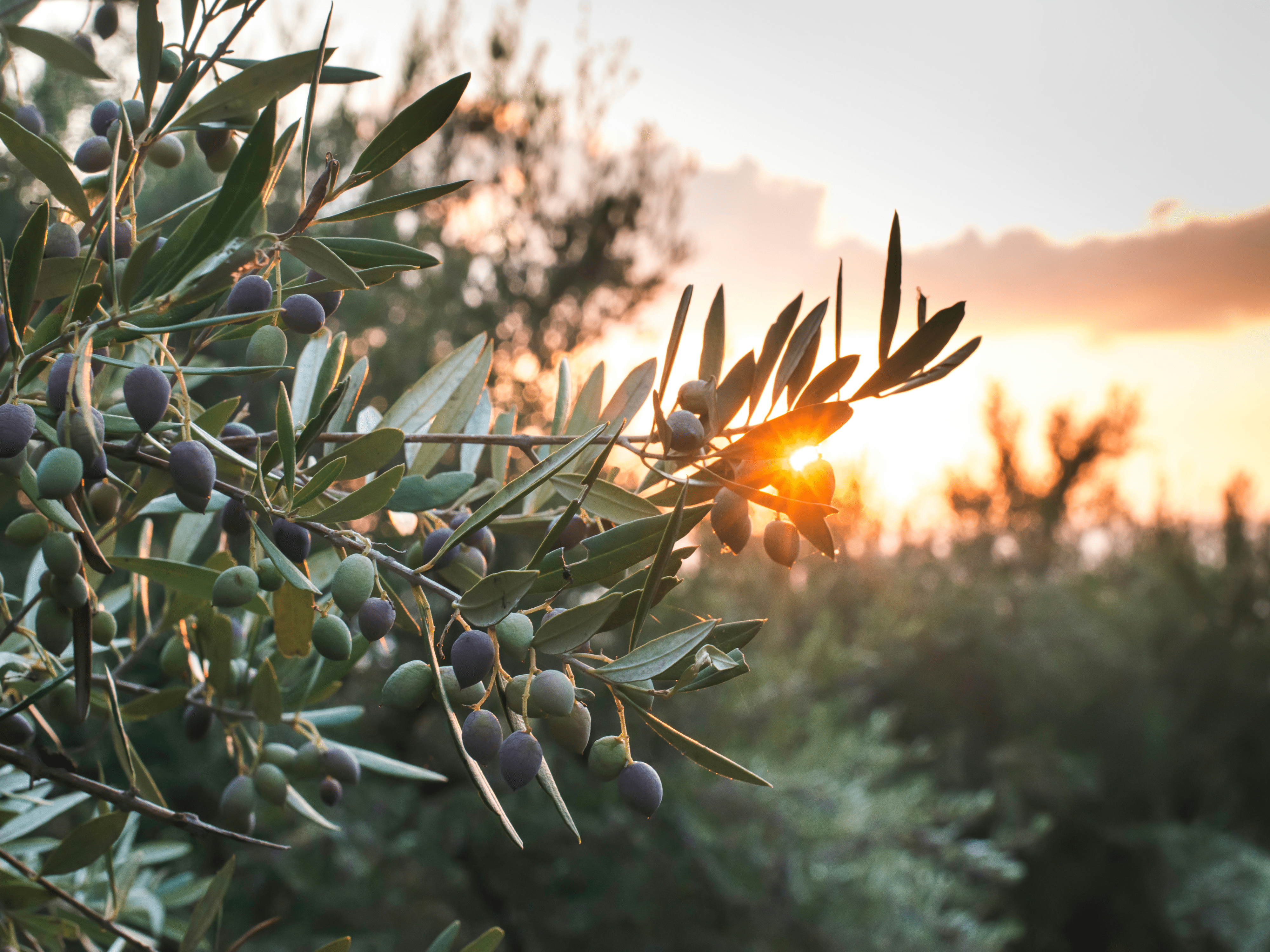
The natural habitat
What are the teachings from nature that offer to us as a compass for harmonious living with ourselves and our surroundings? How can nature grow inside an urban area? How can we integrate biophilic design principles in urban spaces to enhance human wellbeing and connection to nature?
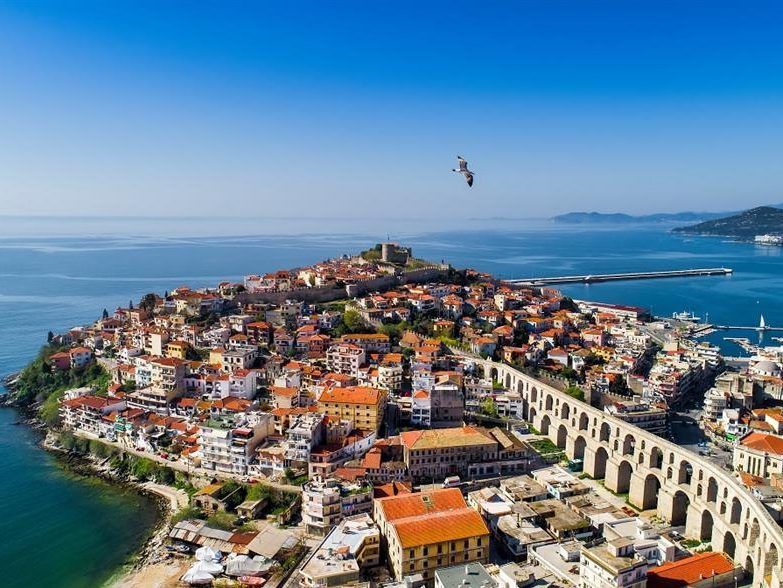
The living habitat
What are the criteria for a wellbeing city? What does it offer to its residents? How do we move? How are the buildings constructed? How do we weave communities and cultivate the uniqueness of each place? How can we repopulate and regenerate urban areas in the periphery?

The economic habitat
What does growth mean? What are the criteria for a harmonic and inclusive form? How do we ensure equity in mega-cities? How do we fight energy poverty? How do we promote green and qualitative jobs for all?
Key Session Topics Key Session Topics
Hearth Summit Athens will explore key topics including:
Climate justice
Equity in cities
Decentralization and repopulation
Sustainable consumption
Wellbeing economy vs impact economy
Ecological Belonging and nature-based learning
Cultivating vibrant communities
Climate resilience and extreme weather
Climate and mental health
Sustainable tourism
By the end of the event, the community aims to have gathered important input to pass on to the Greek representatives, key stakeholders and politicians in COP29 in Baku, Azerbaijan.
Arts and Experiences
Hearth Summit Athens will also offer changemakers a space to experience wellbeing in all of its forms. Drawing on old practices that capture and spring from the power of nature, the participants will explore and experience traditions from civilizations from Greece. The content will be enriched with an artistic track that will help changemakers to decompress, reflect and re-connect. With the artistic environment, changemakers are invited to join difficult conversations with the guidance of contemporary artists, helping them to embrace topics from a sentimental perspective through performances and art installations.
Additionally, a series of satellite events outside and around Athens will offer different stimuli and deep diving into the context in Greece as an example for the cultivation of wellbeing cities.
Stay tuned for more details!
Building a Future for Sustainable Living in Greece and BeyondBuilding a Future for Sustainable Living in Greece and Beyond
STORIES FROM THE SUMMIT
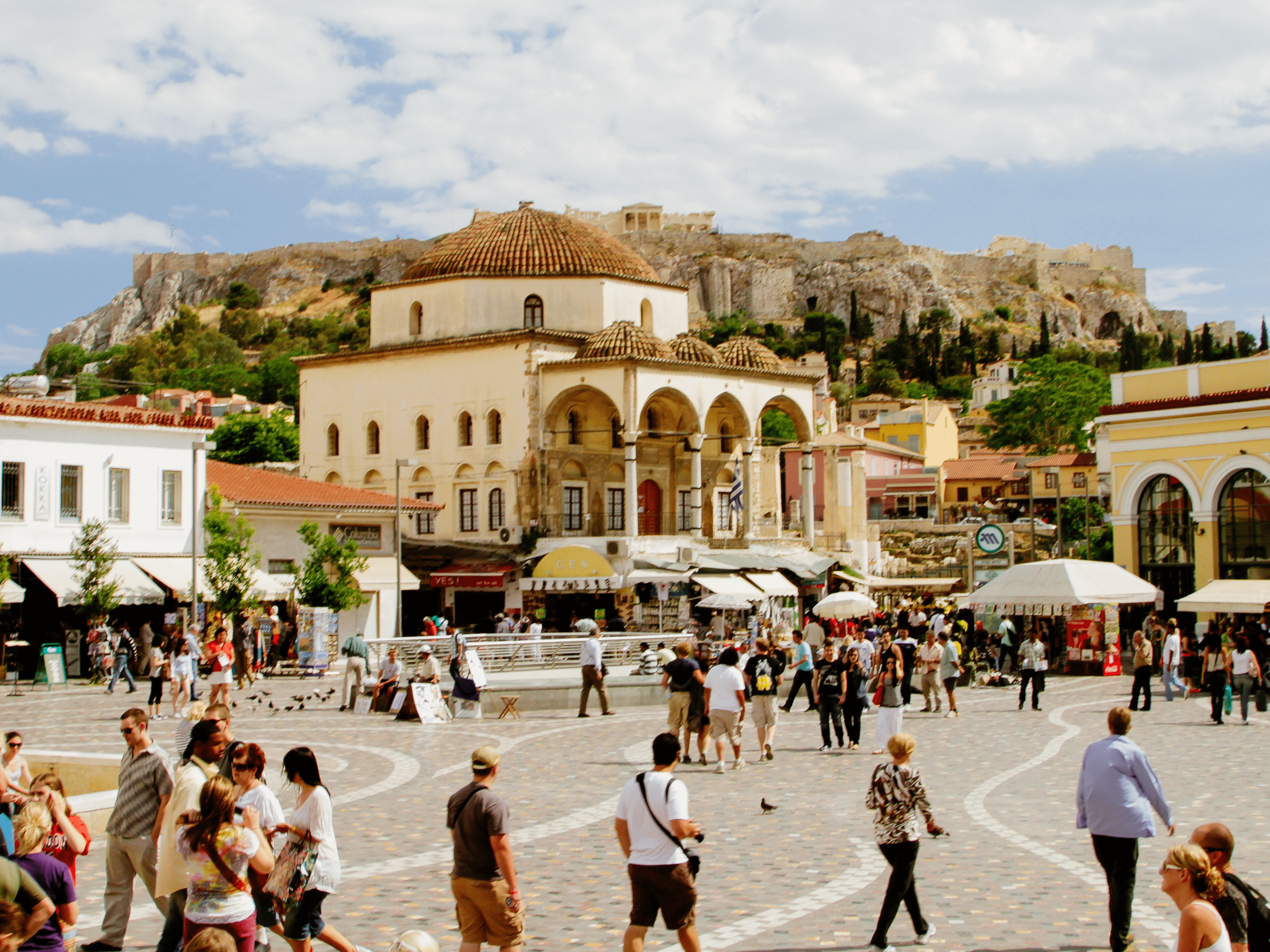
At the Heart of a New Type of City
Fifty percent of Greece’s population is concentrated in just 4.3% of its territory, highlighting overpopulation and substandard living conditions in areas like Attica, while rural regions are becoming deserted.
This pattern is not unique to Greece. UN-Habitat reports that about three-quarters of Europeans live in cities, making urban areas particularly vulnerable to climate change and environmental stresses. These challenges exacerbate social issues like segregation, social alienation, poverty, and inequality, especially affecting vulnerable populations.
Ensuring the wellbeing of all citizens in harmony with the environment is crucial. Cities, as centers of creativity and innovation, have the potential to drive significant systemic changes in climate change mitigation, ecosystem preservation and restoration, and promoting a circular economy.
Hearth Summit AthensHearth Summit Athens
In The News
Read and discover stories of this ground-breaking event in Greece.
HOSTED BY
Co-Created With
Act in Synch and Eteron Institute
With special thanks to these generous community, content, experience, and media partners:
24media, Aegean Film Foundation, Astylab, Bioagros, Bizrupt, Catalyst 2030, Danone, Electra Energy, ETAP – The Peloponnese and Ionian Islands Development Company, Greek Women of Wine, Innovation Unit – Technology transfer and Entrepreneurship Centre, University of Thessaly, Lighthub, Ministry of Culture, MIT Media Lab, Municipality of Egalo, Mythos, NATIVA, National Centre For Scientific Research Demokritos, The High Mountains, Southern Lights, The Sporos Platform, Stelios Foundation, Symbiosis, and The Wellbeing Project
MORE REGIONAL SUMMITSMORE REGIONAL SUMMITS
Discover the Wellbeing Movement in EuropeDiscover the Wellbeing Movement in Europe
Meet and hear stories from the changemakers championing the wellbeing movement in Europe.
Strengthening Community Resilience in Kuwait with Storytelling Strengthening Community Resilience in Kuwait with Storytelling
Insights from en.v’s Eleanor Burton and Mohammed Marafi
With a vision of a united, compassionate and resilient society, a small organisation is making a big impact on collective wellbeing across the Gulf states.
en.v facilitates positive social transformation within Kuwaiti society with an integral focus on empowering Kuwait’s migrant population – as well as youth and other traditionally silenced communities – through storytelling. Recognised by the International Labour Organization (ILO) for its impactful work supporting the human rights of migrant workers, en.v practices community-building through socially responsible ways. We talked with Eleanor Burton, en.v’s training and relationship manager, and Mohammed Marafi, en.v’s programs manager, about their use of storytelling as a tool for social transformation. Here’s how they do it.
Storytelling to Build Trust, New Narratives, and Healing Bridges
As an organisation committed to the collective wellbeing of communities in Kuwait, an integral focus for en.v is on the country’s migrant population, whose wellbeing is significantly impacted by the grave consequences they often face working under the Gulf labour market’s kafala system. Broken trust, mistreatment, and abuse are common, as are trauma and mental health struggles. Beyond legal frameworks, cultural attitudes in Kuwait have helped normalise the effects of the kafala system: with certain long-held beliefs about migrant workers and commonplace employment practices, de-facto segregation and a deeply ingrained power balance are the norm.
While important efforts are in motion to update migrant worker schemes in the Gulf and protect migrants’ wellbeing, en.v recognises migrants themselves are missing from these conversations. In response en.v passes the mic to the migrant community in Kuwait to support systemic change from the ground up. Working with employers of migrant workers and the migrant community, it offers spaces for both groups to meet and begin to build healing bridges. The process is complex, but it is working, and its Global Migrant Workers Network (GMWN), Compassionate Communities programme, and BUILD Ideathon community projects have been recognised as important actors in this process.
“The insight and connection with and from the vast network and community that en.v has nurtured over the years is unrivaled. Their ability to get straight to the beneficiary and those most in need has been inspiring to witness, and a great honour to support.” – International Labour Organization
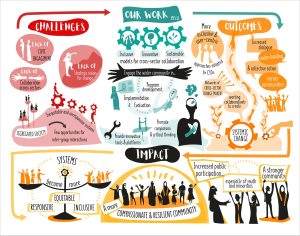
en.v’s Theory of Change (Credit: en.v/@blancheillustrates)
en.v’s community-led approach to social change is founded on bringing different groups together to work across differences. Building bridges that lead to social change is a complex process – and for en.v, it all starts with a story.
“In every single piece of our work, whether it’s with labour inspectors, activists in the migrant community, domestic workers, students, academics, or officials from the ministry, we always start with storytelling and connection,” says Eleanor. “We start with some sort of space where we try and get people into an intimate, authentic conversation with each other. It’s in every single thing that we do – having that first moment of building trust and connection, but in safety.”
As different people come together – many for the first time – to express themselves and listen to each other, these moments of connection are rich with opportunity. They help pave the path to reconciliation by the way of self-exploration, bonding, and movement-building. With long-held beliefs contributing to divisions within the community, this is an important step towards sustainable behavioural change.
“It changed my viewpoints on others around me. I lived in a bubble and thought that there wasn’t a community of people who genuinely wanted change too.” – en.v BUILD Ideathon Participant


The AWAKEN journey.
In supporting the migrant community, this storytelling can involve facilitating conversations between workers and employers and creating space for both groups to reflect on their experiences with their peers. For example, generations-long employment practices in the Gulf shape how employers view domestic workers and how domestic workers view themselves. Through dialogue, en.v encourages everyone to practice self-inquiry and reflection. Sharing one’s story and listening to others serves as a foundational, and often emotional, step towards reconciliation.
“With storytelling, we can think about roots and forces shaping our value systems,” says Eleanor. “We can ask questions: what’s your power in the society? What privilege do you have? How do you move through the society? It’s ultimately a practice in building empathy, deconstructing a lot of the cultural norms, and thinking about how we relate to one another.”
One example of a project defined by storytelling is en.v’s Women’s Circle Project. Held in partnership with the International Labour Organization’s FAIRWAY Project, it brings together female employers of domestic workers in safe spaces to talk about employment practices. These Women’s Circles help to shift employer mindsets, leading to improved relationships and increased fair treatment of workers.
Storytelling with the migrant community also focuses on understanding values and shifting mindsets, while also caring for the deep traumas felt by the community. Their experiences in Kuwait are often defined by deep feelings of loss: a loss of self while facing exploitation at work and having to support family back home, and a loss of community due to the transient, impermanent type of residency available under the kafala system.
In response, en.v uses storytelling to help the members of the migrant community create a new sense of self and belonging, which can help strengthen their resiliency, increase feelings of agency, and promote healing – an empowering process that helps unlock doors to a new future.
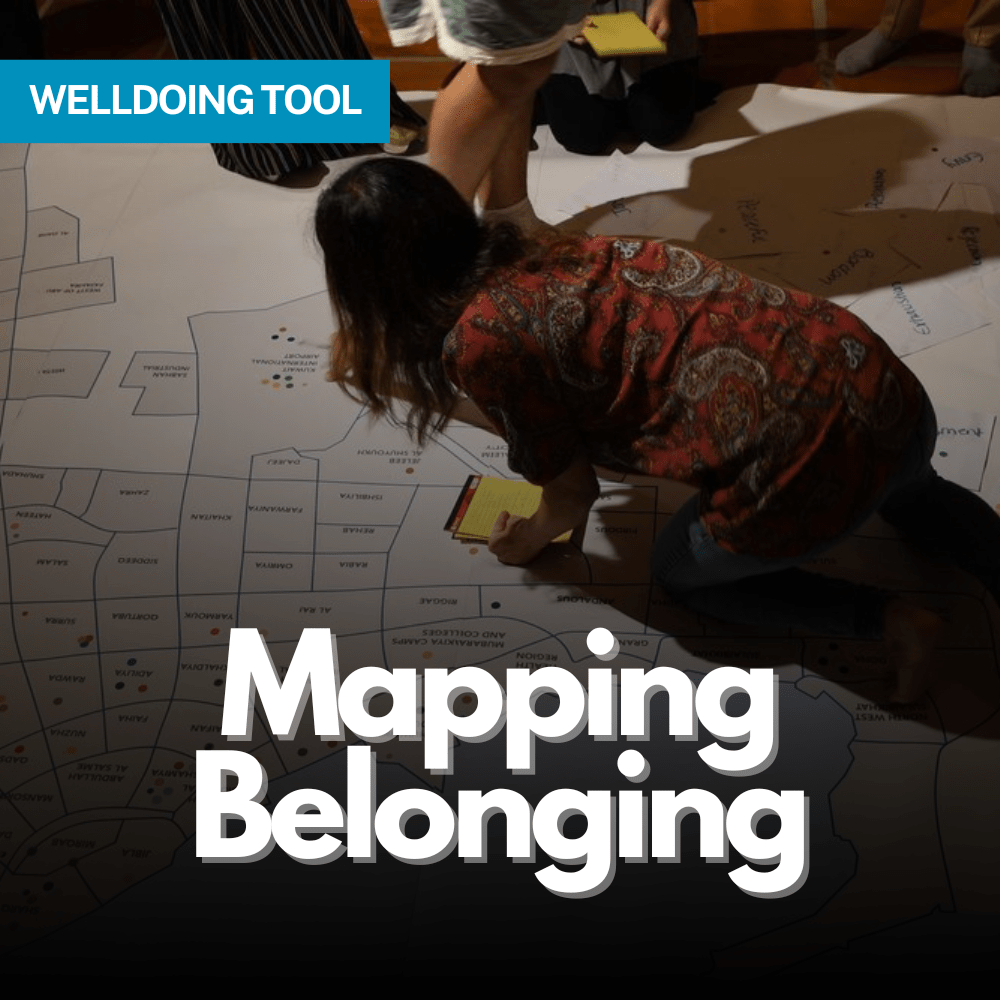
Mohammed explains this process is essential for empowering community-led action: “If you want for people to really feel like they want to change this place, they first have to feel like they belong here. A lot of what we try to do in our work is try to create a space within Kuwait where they can at least feel like they belong to each other.”en.v helps create these spaces physically – with community gatherings such as its AWAKEN festival or its Aswatna program promoting inclusion in the country’s schools– and figuratively, through various activities such as Mapping Belonging and art therapies. Through different methodologies practiced in safe spaces, migrant and other traditionally silenced or marginalized communities are offered the opportunity to own, share, and rewrite their stories.

While the process of behavioural and systemic change is complex and challenging, these meaningful moments of storytelling are also important marks of progress. At the heart of this storytelling is a true sense of compassion and unity, says Eleanor: “It’s very intimate. It’s really loving work we do, that creates a space where people can really connect.”
With a vision of solidarity among communities in Kuwait, these emotional connections are the first step towards community wellbeing and healing.
en.v is a proud member of The Wellbeing Project’s Wellbeing in Higher Education Network. Learn more about en.v’s work to foster transformational leadership and community-building in the Gulf at www.envearth.com.

Welldoing ToolWelldoing Tool
Mapping Belonging
Contributed by en.v (Kuwait)
“Mapping Belonging” is a social cartography exercise that consists of identifying the different emotions that we associate with the different places where our lives (and the lives of other members of our society) take place. It encourages us to explore, from a place of curiosity, our conceptions of identity, belonging, difference and otherness, and gain deeper insights about our individual and collective lived experiences.
It is a tool that serves as a participatory and experimental research method, while also creating a positive impact on the participants in the process of being implemented: it increases our ability to understand social diversity and empathize with other perspectives and values.
Collective emotional mapping takes us out of the bubble of our individual worldview and shows us that we are part of a larger system where many different people find many different sources of meaning. A higher sense of self-awareness and social awareness are both key ingredients to the process of strengthening community bonds from a place of compassion and resilience, and they establish the grounds for positive interpersonal interaction and transformative change.
en.v has been working with its AWAKEN Community of Practice to further refine and test out this tool, and facilitate it across diverse communities in Kuwait, collecting valuable data and promoting self-reflection and connection.
How to Practice
What you will need: a map of your location, coloured stickers corresponding to the emotions chart, cards, and writing materials
Step 1
Welcome participants into the space and tell them a little bit about the exercise. Facilitators can add whatever they consider suitable to this explanation and refer to examples from their personal experiences.
Step 2
Introduce a warm-up / ice-breaker. Before the mapping activity, invite the group to do a short exercise to warm-up and break the ice for about 10 minutes. The activity is called “story-slam”: participants will be asked to get into two lines facing each other and give a 1-minute answer to the person in front of them (at each turn) to the questions that the facilitators will ask out loud. After one minute, one of the lines will move one spot and each participant will be facing someone new and giving an answer to a new question. Facilitators can choose any of the following questions during five rounds:
What is your favourite place in [location]?
Where do you live and have you ever lived in that area?
What place in [location] brings up happy memories and why?
Where do you go when you want to relax?
Where in [location] do you eat the best food?
What are your favourite family spaces?
What is a space that doesn’t feel like [location]?
Are there places in [location]that you avoid? Which ones and why?
What are the places you frequented as a child?
If you have a friend coming to visit [location] for the first time, where would you take them and why?
Step 3
Begin the Mapping Belonging exercise. Start by explaining the activity: it’s an exercise that consists of identifying the different emotions that we associate with the different places where our lives take place. Facilitators will ask the participants to look at the map of their location, with its different zones and areas, and identify the places where they feel these emotions:

While looking at the map and identifying the areas where they feel the different emotions (they can choose 3-4 places for each emotion), participants can take coloured stickers that correspond to the emotions and place them on the chosen areas of the map. This part of the activity can last 10-15 minutes.
Step 4
Go deeper with story cards. After they have finished placing the stickers in the corresponding areas, facilitators will give them a set of cards that contain some questions about the mapped emotions and ask them to write their answers on the cards. Encourage participants to keep their answers short and sweet and use only the space on the cards. This part of the activity can last 20-25 minutes.
Step 5
Conclude with a group discussion. After participants are done filling in the cards, host a short collective debrief (5 minutes) around the two following questions:
What did it feel like to place the emotions on the map? Are there any reflections or emotions that this exercise brought up for you?
How can we make spaces in [location] more inclusive?
About en.v
We are a culturally diverse and interdisciplinary team of current and former Kuwait residents and nationals working together to foster a more united, compassionate and resilient society – locally and globally. Over the past decade, we have been working with and building bridges between a wide array of stakeholders, including corporates, governmental, intergovernmental and international institutions, foundations, educators, youth, civil society organizations and migrant community groups. Leveraging our own and our partners’ learnings, experience and networks, we design and facilitate inclusive and participatory processes that support the development of more equitable solutions and narratives. Specifically, we:
Develop training and programming which promotes informed empathy, critical thinking, and intersectional frameworks
Support the development and institutionalization of more inclusive and equitable processes and policies
Bring together multiple stakeholders to collectively address complex problems, envision possible futures and promote social transformation.
Wellbeing Tips & Welldoing Tools Wellbeing Tips & Welldoing Tools
To Support Your Wellbeing Journey

1 Action
What Can You Do For You And For The People You Care About?
Improving your personal wellbeing and supporting the wellbeing of those around you can feel like a challenge, especially if you work on the front lines of social change.
Our list of 1 actions offer you and those within the global philanthropy community some simple steps which you can do on any day. Check them out below!
















Article Series
Wellbeing Stories Featured By Our Editorial Partners

Wellbeing Summits & EventsWellbeing Summits & Events
Evolving our collective journey to catalyze a culture of wellbeing for all changemakers
Welcome to dedicated content from our regional and global Summits that are inspiring growth and global reach of the wellbeing for social change movement. This is your chance to explore local perspectives inspiring transformative impact on a global scale.