Regional Hearth SummitsRegional Hearth Summits

Wellbeing Inspires Welldoing in Europe

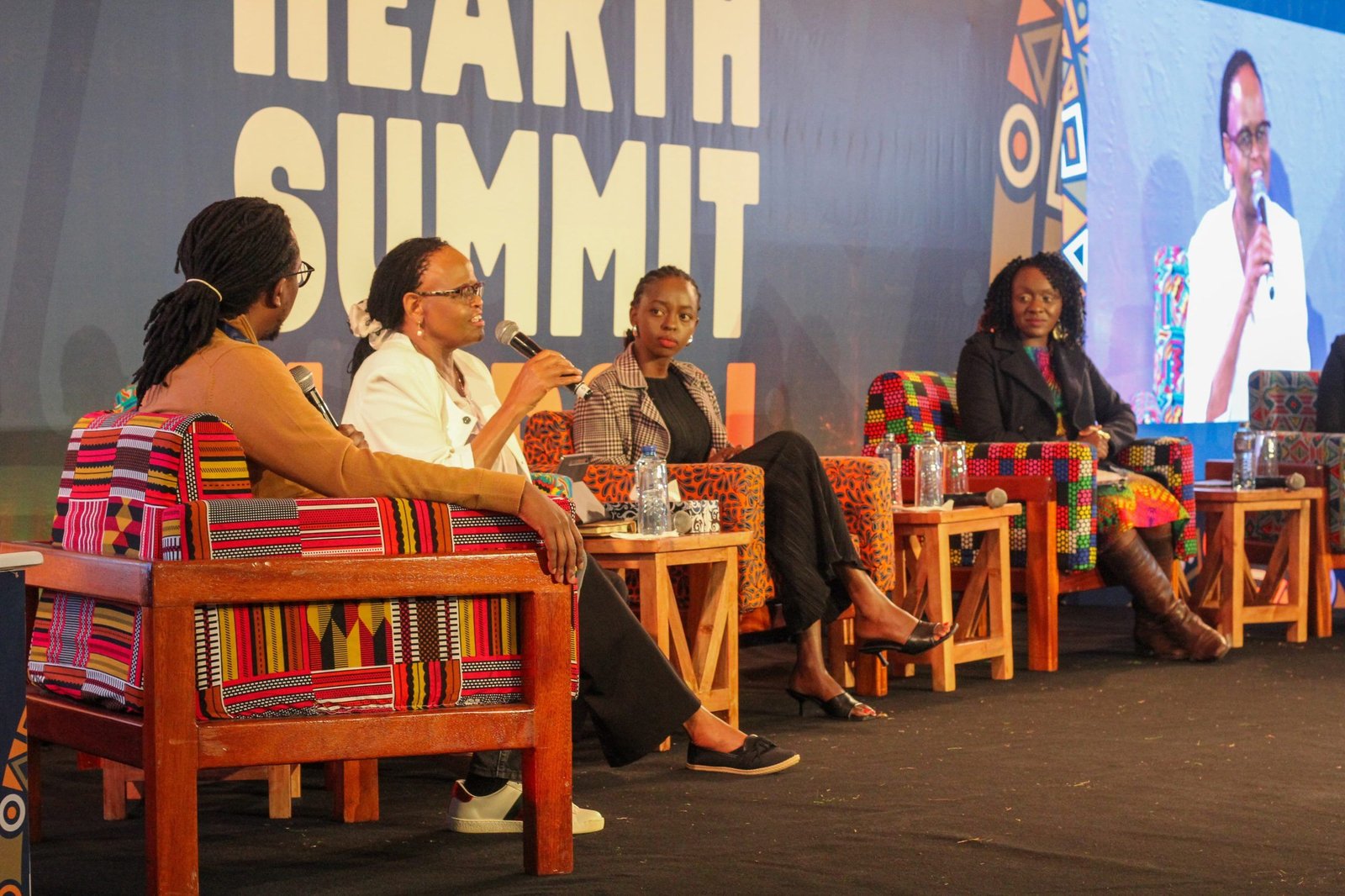
Calling all European changemakers to the Hearth! The regional Hearth Summits in Europe are nurturing a whole new culture of social change as they bring changemakers together to champion, experience, and celebrate wellbeing.

These gatherings speak to the heart of a growing movement for changemakers to embrace wellbeing in their work. With deep discussions, moving art experiences, and embodied practices and activities, they are inspiring both sustainable change and sustainable changemaking in Europe.

Our European partners — betterplace lab, Impact Hub Athens, Pioneers of Change, and TheMerode Club — are thrilled to welcome you at their Hearth Summits.

Join a diverse group of participants — from activists, policymakers, business leaders, students, academics, artists, and more — to co-create the future of social change in Europe!

Or

Explore the regional summits

Taking place in 2024 & 2025

OCT 31 – NOV 01, 2024

NOV 11 – 14, 2024

NOV 20 – 22, 2024

FEB 27 – 28, 2025

The Regional Summit ExperienceThe Regional Summit Experience

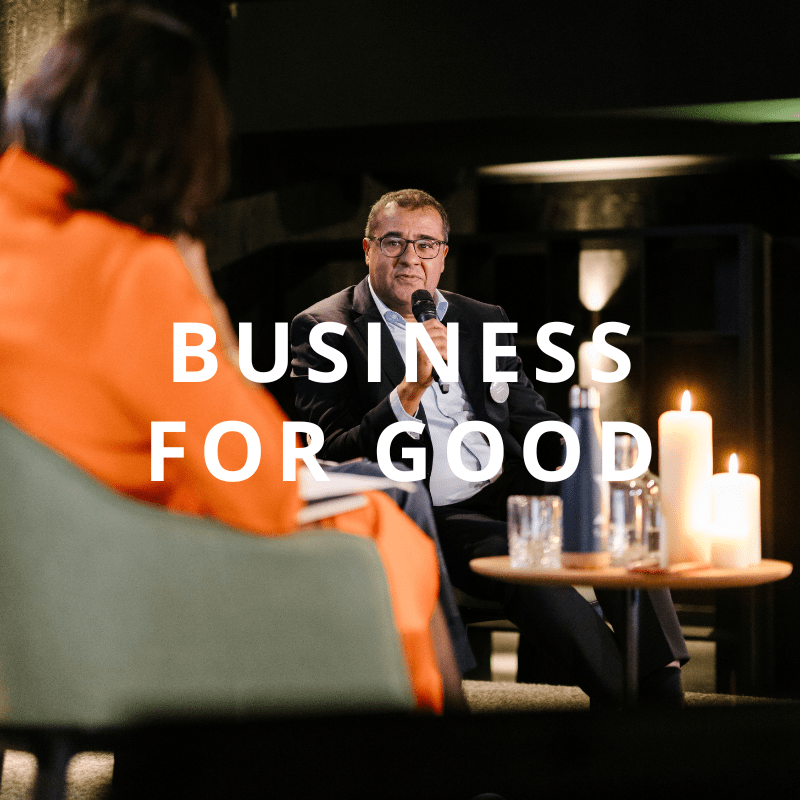
Relive the first regional summit in Europe, hosted in Brussels in November 2023 by TheMerode.

Dive Deeper Into More StoriesDive Deeper Into More Stories

From the European Hearth Summits

Testimonials Testimonials

From Our Attendees

“The Wellbeing Summit for Social Change in Bilbao was the most transcending and grounding gathering I’ve ever attended, with one touching, inspiring, and motivating talk and artistic performance after another from around the world.”
Sennay Ghebreab - Professor, Program Director and Founder Participant at The Wellbeing Summit for Social Change 2022
“The Wellbeing Summit for Social Change in Bilbao was the most transcending and grounding gathering I’ve ever attended, with one touching, inspiring, and motivating talk and artistic performance after another from around the world.”
Sennay Ghebreab - Professor, Program Director and Founder Participant at The Wellbeing Summit for Social Change 2022
“The Wellbeing Summit for Social Change in Bilbao was the most transcending and grounding gathering I’ve ever attended, with one touching, inspiring, and motivating talk and artistic performance after another from around the world.”
Sennay Ghebreab - Professor, Program Director and Founder Participant at The Wellbeing Summit for Social Change 2022
“The Wellbeing Summit for Social Change in Bilbao was the most transcending and grounding gathering I’ve ever attended, with one touching, inspiring, and motivating talk and artistic performance after another from around the world.”
Sennay Ghebreab - Professor, Program Director and Founder Participant at The Wellbeing Summit for Social Change 2022
“The Wellbeing Summit for Social Change in Bilbao was the most transcending and grounding gathering I’ve ever attended, with one touching, inspiring, and motivating talk and artistic performance after another from around the world.”
Sennay Ghebreab - Professor, Program Director and Founder Participant at The Wellbeing Summit for Social Change 2022

A Space for ExperiencesA Space for Experiences

Discover the World of Wellbeing and Welldoing in Europe

Read stories of how European changemakers are gathering at the Hearth Summits to explore key issues through their unique regional lens:

From Burnout to Excellence: Engaging Employees TodayFrom Burnout to Excellence: Engaging Employees Today

Stories from the Hearth

Hearth Summit BOGOTÁ Session Featuring:

Eleanor Allen

CEO, Catapult for Change
🌍 Colorado, USA

In Bogotá, Eleanor Allen, CEO of Catapult for Change, explores how to move from burnout to work-life balance and integration and how this impacts worker wellbeing and retention in companies. Watch the session (in English).

EXPLORE THE REGIONAL SUMMITS FURTHEREXPLORE THE REGIONAL SUMMITS FURTHER

Dive Into Stories From Around the World

Discover Organizational WellbeingDiscover Organizational Wellbeing

Meet and hear stories from the changemakers championing wellbeing in their organizations.

Situación Actual de las Empresas y los EmprendedoresSituación Actual de las Empresas y los Emprendedores

Stories from the Hearth

Hearth Summit BOGOTÁ Session Featuring:

Juan Pablo López Gross

Innovation Senior Specialist, Inter-American Development Bank BID Lab
🌍 Washington, D.C., USA

Romina Mendoza

Senior Specialist, McKinsey and Co.
🌍 San José, Costa Rica

Ricardo Paz

People and Culture Elder, The Wellbeing Project
🌍 Bogotá, Colombia

In Bogotá, Juan Pablo López Gross from the Interamerican Development Bank Lab (BID Lab) presented the findings of new research conducted with The Wellbeing Project on the mental health of high-impact social entrepreneurs in Latin America, ultimately sharing the business case for wellbeing: if the entrepreneurs are doing well, the ventures will do better. Ricardo Paz from The Wellbeing Project provided additional insights from research from the social sector on how organizational wellbeing inspires welldoing. Romina Mendoza shared analysis on organizational wellbeing, employee work-life balance, and mental health from McKinsey & Co’s global study. Watch the session (in Spanish).

EXPLORE THE REGIONAL SUMMITS FURTHEREXPLORE THE REGIONAL SUMMITS FURTHER

Dive Into Stories From Around the World

Discover Organizational WellbeingDiscover Organizational Wellbeing

Meet and hear stories from the changemakers championing wellbeing in their organizations.

Empresas que Impactan el Bienestar de las Comunidades

Stories from the Hearth

Hearth Summit BOGOTÁ Session Featuring:

Gaby Arenas de Meneses

Director, Fundación TAAP; Ashoka Fellow; Co-chair, Catalyst 2030 Latam
🌍 Bogotá, Colombia

In Bogotá, Gaby Arenas de Meneses, director of the TAAP Foundation, Ashoka Fellow and Co-chair of Catalyst 2030 Latam, invites us to explore how social wellbeing influences our individual wellbeing, and what role companies can play in improving living conditions in their communities. Watch the session (in Spanish).

EXPLORE THE REGIONAL SUMMITS FURTHEREXPLORE THE REGIONAL SUMMITS FURTHER

Dive Into Stories From Around the World

Discover Organizational WellbeingDiscover Organizational Wellbeing

Meet and hear stories from the changemakers championing wellbeing in their organizations.

From Bilbao to Dhaka: Murad Ansary’s Mission for Mental Health From Bilbao to Dhaka: Murad Ansary’s Mission for Mental Health

STORIES FROM THE HEARTH

A CONVERSATION WITH:

Murad Ansary

Founder and CEO, Psycure
🌍 Dhaka, Bangladesh

The wellbeing for social change movement is growing around the world! What does it look like in Bangladesh?

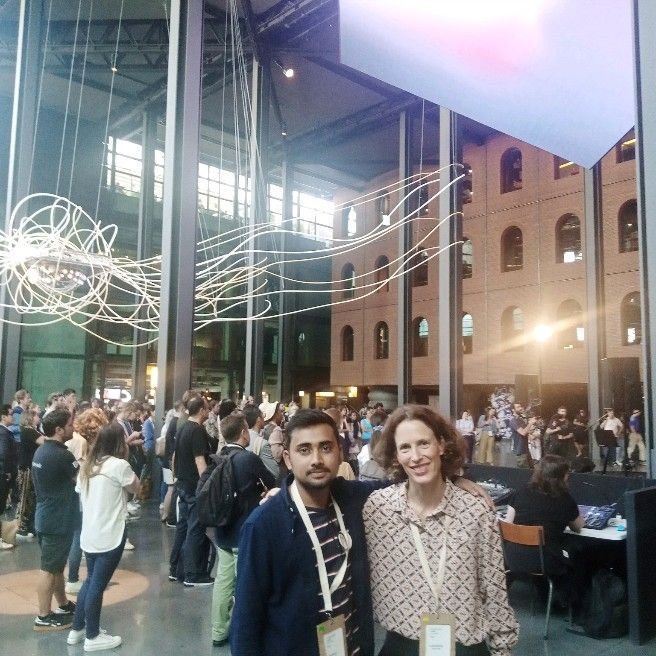
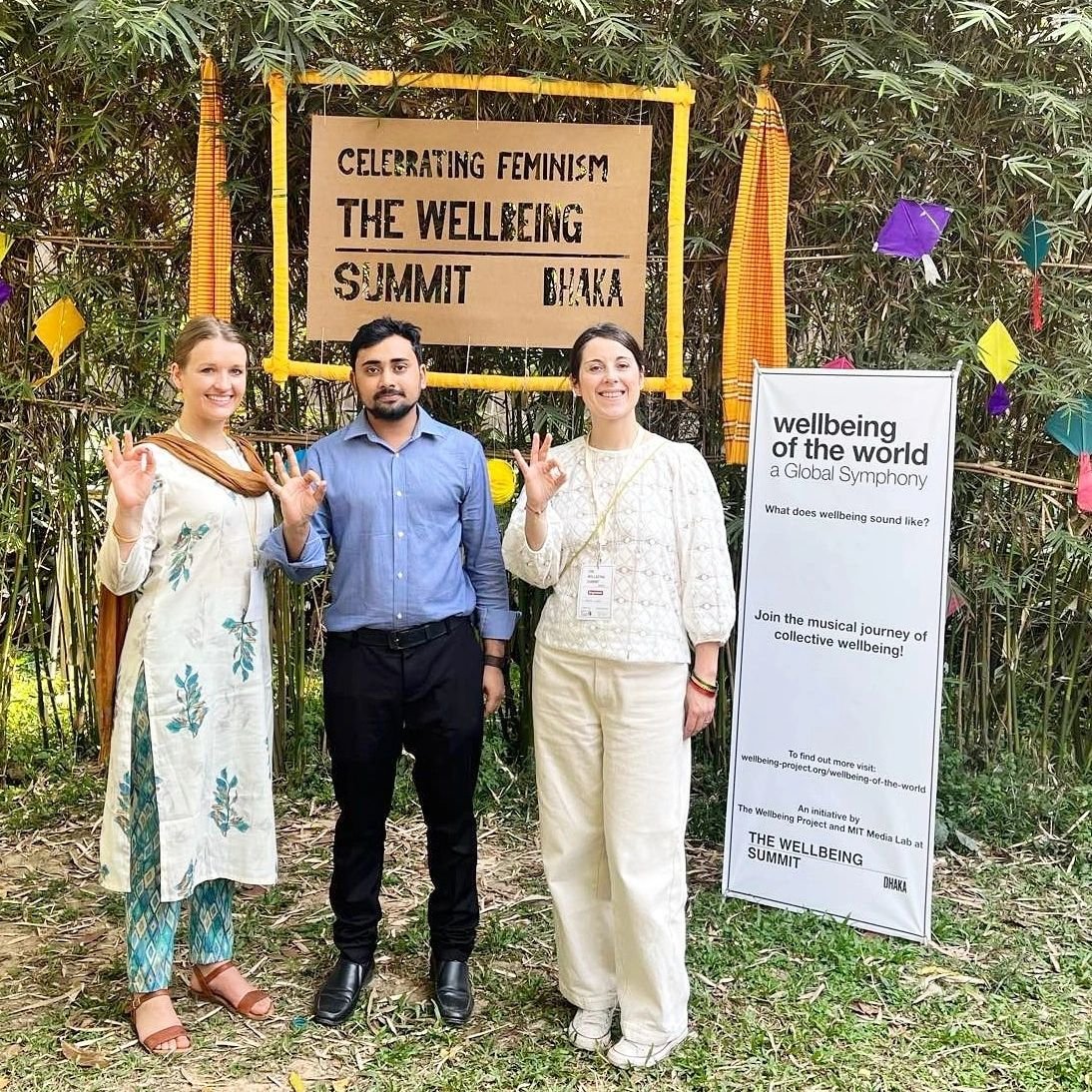
Murad Ansary, founder and CEO of Psycure, attended the first global summit on wellbeing for social change, held in Bilbao, Spain, in 2022, as one of the delegates representing Bangladesh. Two years later, a regional summit was held in his hometown of Dhaka — the first in Asia — bridging the global conversation on wellbeing with the local reality in Bangladesh. In this interview, Murad reflects on his stimulating experiences at both Summits, discussing the lasting impacts of the Summits on his work to help sure accessible mental healthcare for everyone in Bangladesh.

Murad at the global summit in Bilbao, Spain, in 2022 (left) and the regional summit in Dhaka, Bangladesh, in 2024 (right).

“Since the Bilbao summit, I’ve been working with my community to ensure better mental health systems.

In Bangladesh, we don’t have many mental health professionals, with only thousands for 160 million people. And 90% of the professionals are practicing in the capital.

I’m leveraging everything I learned at Bilbao to connect with my community and address these issues, making mental health services more accessible and affordable for everyone.

What was your experience like at the first global summit for wellbeing for social change, held in Bilbao, Spain, in 2022?

My experience at the first global summit in Bilbao was really amazing. There are a couple of reasons why I enjoyed it so much. First of all, the diverse perspectives were very enriching. They didn’t only focus on health; they covered mental health, emotional wellbeing, and spiritual wellbeing. The sessions were filled with innovative ideas and approaches to enhance wellbeing. It was fascinating to learn about the cutting-edge research and practical applications from around the world showcase showcasing the latest advancements in the field. Additionally, the workshops were engaging and helped me connect with numerous people from different backgrounds. This exposure was a new experience for me, helping me understand how the world approaches and solves various problems. The networking opportunities were invaluable, allowing me to hear from renowned speakers and learn about their journeys and approaches to problem-solving. Especially memorable were the cultural diversity sessions, which included networking events beside the river and explorations of Bilbao city. We witnessed some novel theater performances that depicted mental health conditions and struggles. This unique approach left a lasting impression on me, offering a perspective that plain content might not have been able to achieve. Overall, it made my experience at the summit truly memorable.

The first regional summit in Bangladesh was held in Dhaka in March 2024. What was that experience like for you?

The Wellbeing Summit Dhaka 2024 was a motivating experience for me. I was excited and a bit tense since it was happening in my country: it had to be the best! We represented our local folks and traditions, showcasing our spiritual, mental, and emotional wellbeing in unique ways. We managed to create a holistic approach, not just focused on mental health but encompassing broader aspects of wellbeing. This regional focus allowed for a more tailored discussion on solutions relevant to Bangladesh, emphasizing community engagement and collaborative opportunities, despite limited resources.

This regional focus allowed for a more tailored discussion on solutions relevant to Bangladesh, emphasizing community engagement and collaborative opportunities, despite limited resources.

What similarities or differences did you see between the global summit in Bilbao and the regional summit held in Dhaka?

Both summits embraced a holistic approach. We engaged the community, there were collaborative opportunities, and we discussed policies and advocacy.

The primary difference was the context. The global summit addressed wellbeing issues on a broader international scale, while the Dhaka summit focused specifically on the unique challenges and opportunities within Bangladesh. This regional focus allowed for a more tailored discussion on culturally relevant solutions and available resources. The global summit had access to a wide range of resources, including international experts, while the Dhaka summit highlighted innovative ways that local organizations and individuals are making impactful changes despite limited resources.

The global summit had access to a wide range of resources, including international experts, while the Dhaka summit highlighted innovative ways that local organizations and individuals are making impactful changes despite limited resources.

Which summit did you prefer?

Both were crucial to me. The local summit was significant because it was part of my country. That’s definitely why it was the best. But Bilbao was the most amazing since it was my first international summit. This gave me the opportunity to meet people from different cultures and gain diverse experiences. So, while Dhaka was best for local relevance, Bilbao remains the most memorable.

What has your wellbeing for social change journey been like since you attended the wellbeing summit in Bilbao in 2022?

Since the Bilbao summit, I’ve been working with my community to ensure better mental health systems. You might be surprised to know that in Bangladesh, we don’t have many mental health professionals, with only thousands for 160 million people. And 90% of the professionals are practicing in the capital. So practicing outside of Dhaka is a very big challenge.

When I joined Bilbao, there were people from different parts of the world also working on this issue. They are also going through this. I heard their stories. I asked, “If you’re going through that kind of problem, what was your approach? How do you track all this? How do you collaborate with other people? How do you manage the funding?”

I’m leveraging everything I learned at Bilbao to connect with my community and address these issues, making mental health services more accessible and affordable for everyone. Our vision is to provide mental health services that anyone can access from anywhere at their convenient time.

What is your opinion of the wellbeing for social change movement in Bangladesh after attending the summit in Dhaka?

The movement in Bangladesh adopts a comprehensive approach, addressing physical, mental, emotional, and social wellbeing. This holistic strategy is crucial for fostering sustainable and impactful solutions for change. The summit highlighted numerous grassroots initiatives that empower local communities to take charge of their wellbeing. This bottom-up approach is effective, ensuring culturally relevant and community-driven solutions.

The wellbeing for social change movement in Bangladesh is a promising path. The increasing dedication, innovation, and collaborative efforts observed at the Dhaka summit reinforce my belief that this movement will continue to significantly improve lives across the country. I’m really excited to see how this initiative evolves and contributes to a healthier and more equitable society.

About Murad

Murad Ansary is an International award-winning mental health entrepreneur and a Clinical Psychologist from Bangladesh. He is the founder and CEO of Psycure, a one-stop digital solution platform for Mental Health and Emotional wellbeing. He is a Mental health development professional with 5+ years of experience in community development

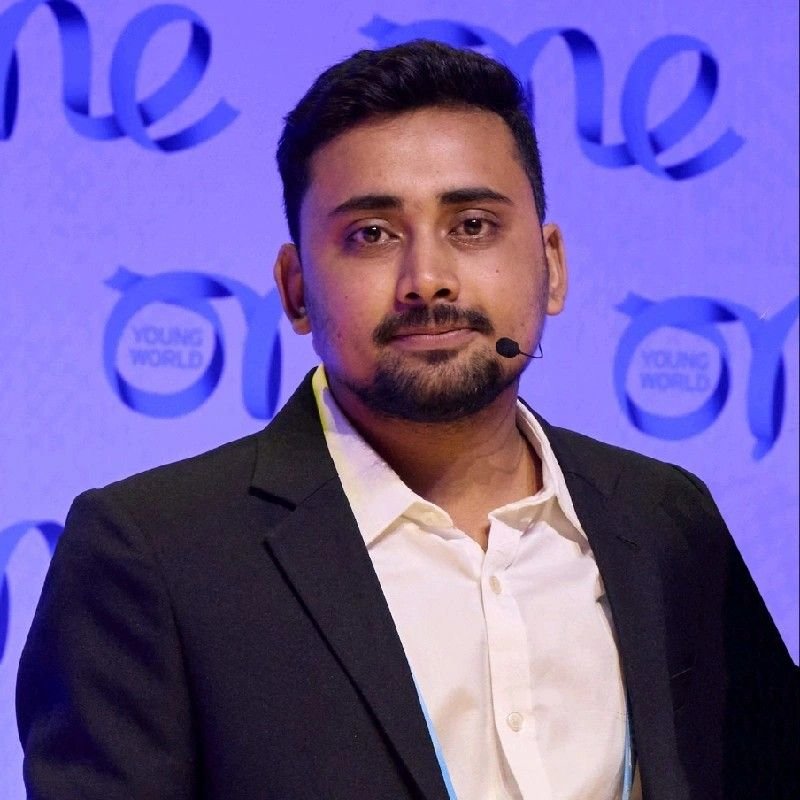
Murad is a Z Zurich Scholar, Speaker & Ambassador of One Young World Summit, delegates of “The Wellbeing Summit for Social Change” in Bilbao, Spain, and “Bangladesh Youth Leadership Summit” where he brought attention to the mental healthcare industry of Bangladesh and sought support to improve its condition. He is very passionate about addressing problems to improve mental well-being and enable social equity. Murad is also an editor of a psycho-fiction book titled ‘Mono Jogoter Aadhar Alo’ (Light in the Psyche of Darkness), which encourages youth to seek help

For his outstanding work on mental health, he won various prestigious national and international awards, including the Joy Bangla Youth Award-2020 and Bangabandhu Innovation Grant-2021 from the Bangladesh Government, the Young Global Changemaker Award-2021, and The Diana Award-2022. He has also been featured in renowned newspapers and television media at home and abroad.

Discover the Wellbeing Movement in AsiaDiscover the Wellbeing Movement in Asia

Meet and hear stories from the changemakers championing the wellbeing movement in Asia.

This content is password protected. To view it please enter your password below:

eblandingpage_featuredimage
Ecological Belonging

Join the Locally Rooted, Universally Human Movement

In collaboration with Georgetown University

Ecological belonging is living in an ongoing interconnected relationship with ourselves, each other and our broader natural world. For most of human history we have done that through storytelling, ritual and practice. This ‘invisible architecture’ made meaning, focused attention, connected communities with themselves and their natural environment.

Throughout most of history, this is how we as humans have enabled and engaged in a respectful relationship with ourselves and all life on earth.

[mk_button dimension=”flat” size=”large” url=”https://www.ecological-belonging.org/” target=”_blank” bg_color=”#0190bb”]VISIT THE ECOLOGICAL BELONGING HUB[/mk_button]
Ecological Belonging Explorations Across Our Network

Explore More

igt-research
Cycles of Trauma and the Journey to Wellbeing

A Framework for Trauma-Informed Practices and Positive Social Change

In 2023, the Think Tank released the executive summary of “Cycles of Trauma and the Journey to Wellbeing: A Framework for Trauma-Informed Practices and Positive Social Change”

Written by the Think Tank’s multidisciplinary, cross-institutional Research and Design Team, guided by 12 leaders in academia and the social change sector, the framework offers a synthesised view of trauma, healing, and social change, and invites changemakers to reflect on how they can adopt a trauma-informed approach in their work.

[mk_button dimension=”flat” size=”large” url=”https://www.intergenerational-trauma.com/” target=”_blank” bg_color=”#0190bb”]VISIT THE INTERGENERATIONAL TRAUMA HUB[/mk_button]
Watch Webinar Series

Intergenerational Trauma & Systems Change

Intergenerational Trauma Explorations Across Our Network

Explore More

Cómo el Bienestar Organizacional Inspira el Desempeño: Lecciones del Sector de Cambio Social Cómo el Bienestar Organizacional Inspira el Desempeño: Lecciones del Sector de Cambio Social

Stories from the Hearth

Publicación invitada de:

Ricardo Paz

People & Culture Elder, The Wellbeing Project
🌍 Bogotá, Colombia

Lectura rápida

  • The Wellbeing Project, junto con ocho organizaciones de todo el mundo, el Instituto Tavistock y el Center for Healthy Minds estuvieron cinco años investigando el valor del bienestar organizacional y cómo fomentarlo.

  • Aprendieron que cualquier organización, pública o privada, puede beneficiarse de promover el bienestar organizacional: mejora el desempeño de los empleados, lo que se traduce en un mejor desempeño organizacional.

  • Además, todos estuvieron de acuerdo en que era menos costoso invertir en el bienestar organizacional que no hacerlo.

  • Cultivar el bienestar organizacional es un proceso continuo, dinámico y de largo plazo, pero el valor agregado para los empleados, su organización y su comunidad vale la pena.

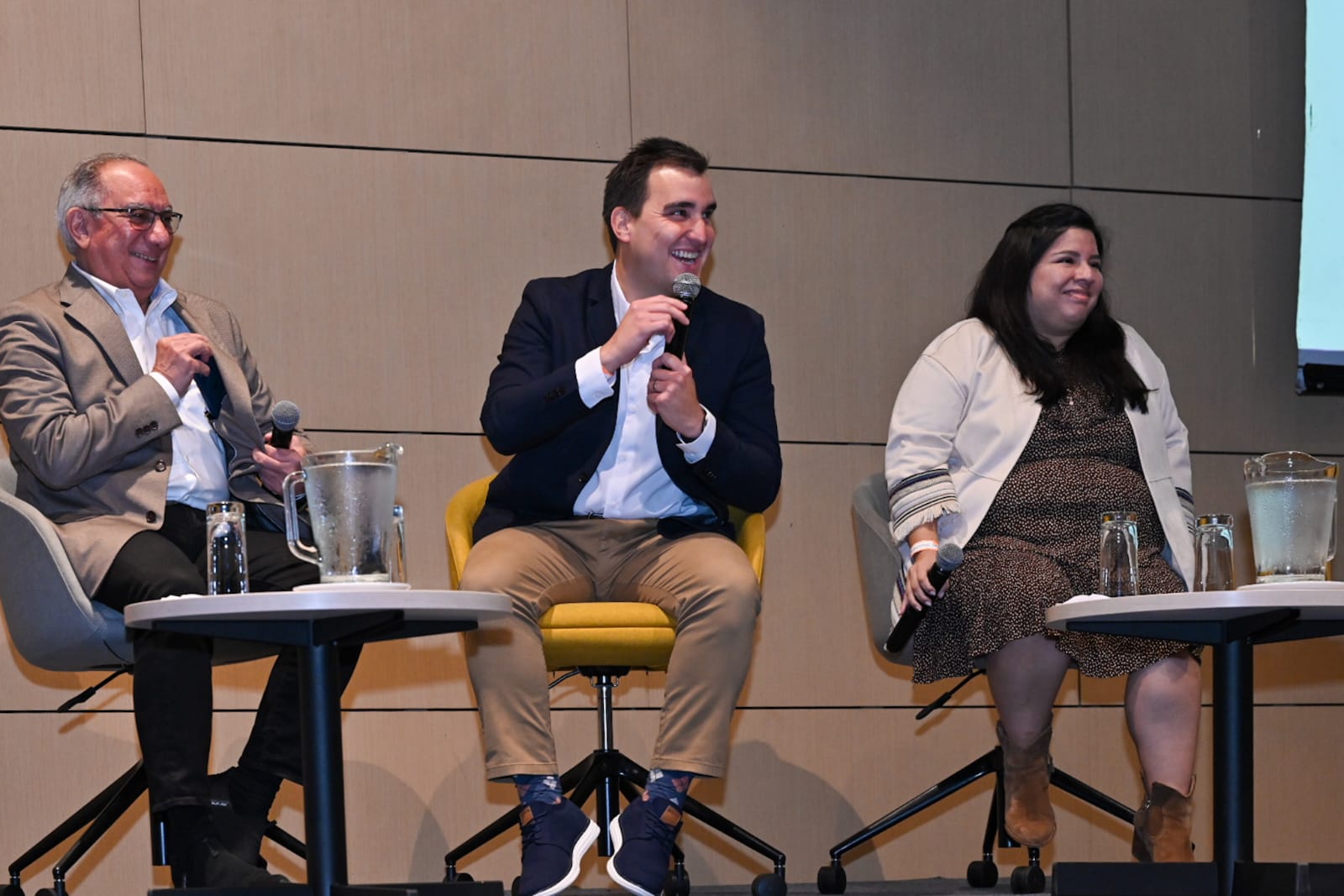
Ricardo (izquierda) habla en Hearth Summit Bogotá, compartiendo los hallazgos del Programa Exploratorio Organizacional (OEP) de The Wellbeing Project.

En mayo, tuve el placer de presentar en el Hearth Summit Bogotá, que se centró en el bienestar y los negocios sostenibles. En este evento, la sostenibilidad se exploró de tres maneras: 

Trabajo sostenible: centrado en el bienestar de los empleados y el balance vida-trabajo

Negocio sostenible: centrado en la producción y el consumo sostenibles dentro de las empresas

Ecosistemas sostenibles: centrándose en cómo las empresas pueden tener impactos sociales y medioambientales positivos

La audiencia estaba formada por cientos de líderes del sector empresarial: directores ejecutivos, gerentes, expertos y otros se unieron en el Hearth Summit para tomar medidas colectivas y cambiar la cultura corporativa hacia una de bienestar y desempeño.

Me sentí agradecido de compartir los aprendizajes del sector social sobre cómo al promover el bienestar dentro de las organizaciones se conduce a un mayor desempeño.

No soy el único que piensa en la importancia del bienestar de los empleados: la Organización Mundial de la Salud ha clasificado el burnout como un problema de salud ocupacional dada la magnitud de casos presentados. Múltiples estudios en todo el mundo muestran un aumento del burnout en organizaciones de todo tipo. Gallup ha estimado las pérdidas globales por ausentismo, rotación y agotamiento en 322.000 millones de dólares. ¡Mil millones!

La situación es clara: las organizaciones deben centrar su atención en el bienestar de sus empleados. Pero ¿cómo pueden hacer esto?

En el Hearth Summit Bogotá, compartí los aprendizajes de un Programa Exploratorio Organizacional (OEP, por sus siglas en inglés) de cinco años que The Wellbeing Project cocreó con ocho organizaciones de todo el mundo: de Brasil, Canadá, China, Egipto, Mozambique, Pakistán, Senegal y Estados Unidos.

Con el Instituto Tavistock de Relaciones Humanas y el Centro para Mentes Saludables proporcionando apoyo en investigación y metodología, buscamos trabajar con estas ocho organizaciones para desarrollar un marco efectivo para apoyar el bienestar organizacional de manera participativa, basado en evidencia empírica.

Los aprendizajes de estas ocho organizaciones sociales pueden ser útiles para organizaciones de otros sectores, tanto públicos como privados, ya que comparten un mensaje común: el bienestar de los empleados de cualquier organización lleva a un mejor desempeño y, por lo tanto, a un mejor desempeño de las organizaciones y del ecosistema que las rodea. En resumen: el bienestar inspira el desempeño.

Pero ¿cómo pueden las organizaciones crear una cultura de bienestar? Compartí tres aprendizajes clave de OEP con agentes de cambio en Bogotá:

1. Crea tu propia definición y visión de bienestar.

La definición de bienestar organizacional puede ser muy diferente para una organización que para otra, así como a nivel individual. Por esta razón, es relevante hacer una definición de manera participativa con todos o la mayoría de los involucrados. Esto significa que será un proceso lento, de largo plazo, con una visión estratégica, de acuerdo con los retos, objetivos y entorno de cada organización.

2. Dar pequeños pasos, llegarás lejos.

De esta forma, es necesario centrarse en unas primeras y pequeñas acciones para avanzar poco a poco en un plan de trabajo que evidencie avances y refuerce la evolución de la organización. La idea es que, a la hora de tomar decisiones estratégicas, se tengan en cuenta las necesidades de las personas involucradas en todos los niveles de la organización.

3. Encuentra el “camino del medio”.

A veces, una organización se centra únicamente en lograr su misión y objetivos. En el otro extremo, existe la posibilidad de estar demasiado centrado en el bienestar de las personas. Las organizaciones que están muy enfocadas en su misión a menudo tienen una alta rotación de personal, bajos niveles de compromiso, hipersensibilidad a la desadaptación organizacional y una alta frecuencia de casos con burnout. En el otro extremo, en aquellos demasiado enfocados en el bienestar de las personas, hay dificultad para lograr la misión de la organización, las necesidades individuales están constantemente insatisfechas, sus responsabilidades no están claras y su energía se consume en tareas innecesarias.

Una tercera vía, una vía intermedia, se compone de un entorno en el que las personas están inspiradas por la misión y la estructura de la organización, se identifican claramente sus habilidades y competencias individuales, se tienen claras las responsabilidades de sus funciones y se les reconoce por sus contribuciones profesionales.

La conclusión

A través de la investigación de OEP, aprendimos que generar la capacidad de bienestar organizacional es un proceso de gestión del cambio de cuatro pasos:

Definición de objetivos,

Cocreándolos con todos los miembros,

Implementación, y

Aprendizaje constante.

Es un proceso lento, sin soluciones rápidas ni un enfoque lineal. Lo más importante es la dirección de los cambios más que los resultados inmediatos. Es importante que los líderes den el ejemplo también, y vimos tres factores fundamentales en la generación de esta capacidad de bienestar organizacional: Liderazgo, Comunicación y Mentalidad de Crecimiento.

¿Y la última pieza del rompecabezas? Estas ocho organizaciones sociales descubrieron que desarrollar su capacidad de bienestar organizacional era menos costoso que no hacerlo. 

Como dijo uno de los participantes del Programa de Desarrollo Interior de The Wellbeing Project: “Si no tienes bienestar en tu personal, ¿cómo puedes proporcionar bienestar en tu comunidad? Nadie puede dar lo que no tiene”.

Lo mismo ocurre con su organización. Ya sea que trabajes en una organización sin fines de lucro, una empresa o cualquier otro tipo de organización, el mensaje puede ser el mismo:

El bienestar inspira el desempeño: si estamos bien, lo haremos mejor.

EXPLORE THE REGIONAL SUMMITS FURTHEREXPLORE THE REGIONAL SUMMITS FURTHER

Dive Into Stories From Around the World

Discover Organizational WellbeingDiscover Organizational Wellbeing

Meet and hear stories from the changemakers championing wellbeing in their organizations.

Bill Coy

Poet in Residence

Bill’s professional journey has allowed him to work in the most beautiful places on the planet. Honolulu Hawaii, the Vatican, Yosemite Valley, Marin County, Skywalker Ranch, and Fargo North Dakota.

Most recently Bill was the designer and director of the Omidyar Fellows, a cross sectoral leadership development program in Honolulu Hawaii. Previously he was a partner at La Piana Consulting heading the leadership practice. His professional background includes head of training and development at Industrial Light & Magic, George Lucas’s visual effects firm and Director of HR at Yosemite National Institutes.  He holds graduate degrees in systematic theology and clinical counseling.  He is a licensed marriage and family therapist.

His work has allowed him to act as a teacher, facilitator, therapist, writer, aggregator of the wisdom of others, executive coach, and consultant. He has been an executive coach at Stanford Medical Leadership Academy since its creation. He treasures his role as a spouse, father, and grandfather.

Bill is also the poet in residence for the Wellbeing Project, a global organization that promotes the inner wellbeing for changemakers.

Towards the end of his career right now, not ready to retire, he is looking forward to discovering what is next and how to write the chapter in this stage of life.  He continues to be confused about how a 35-year-old man like himself can have 69 birthdays.