Our Partners Meet Our Partners

Thank you to the wonderful group of governmental institutions, cultural organizations, and foundations that partnered with us to make this wellbeing journey and event possible.
Partnerships Inquire About Partnership & Support

We are thrilled by your interest in supporting our mission! Partnerships are vital to advancing global wellbeing and social change.

Please use the form below, and our Fundraising team will connect with you shortly. For immediate questions, feel free to contact Hayley Barnard, Corporate Development Director, directly at: hayley@wellbeing-project.org
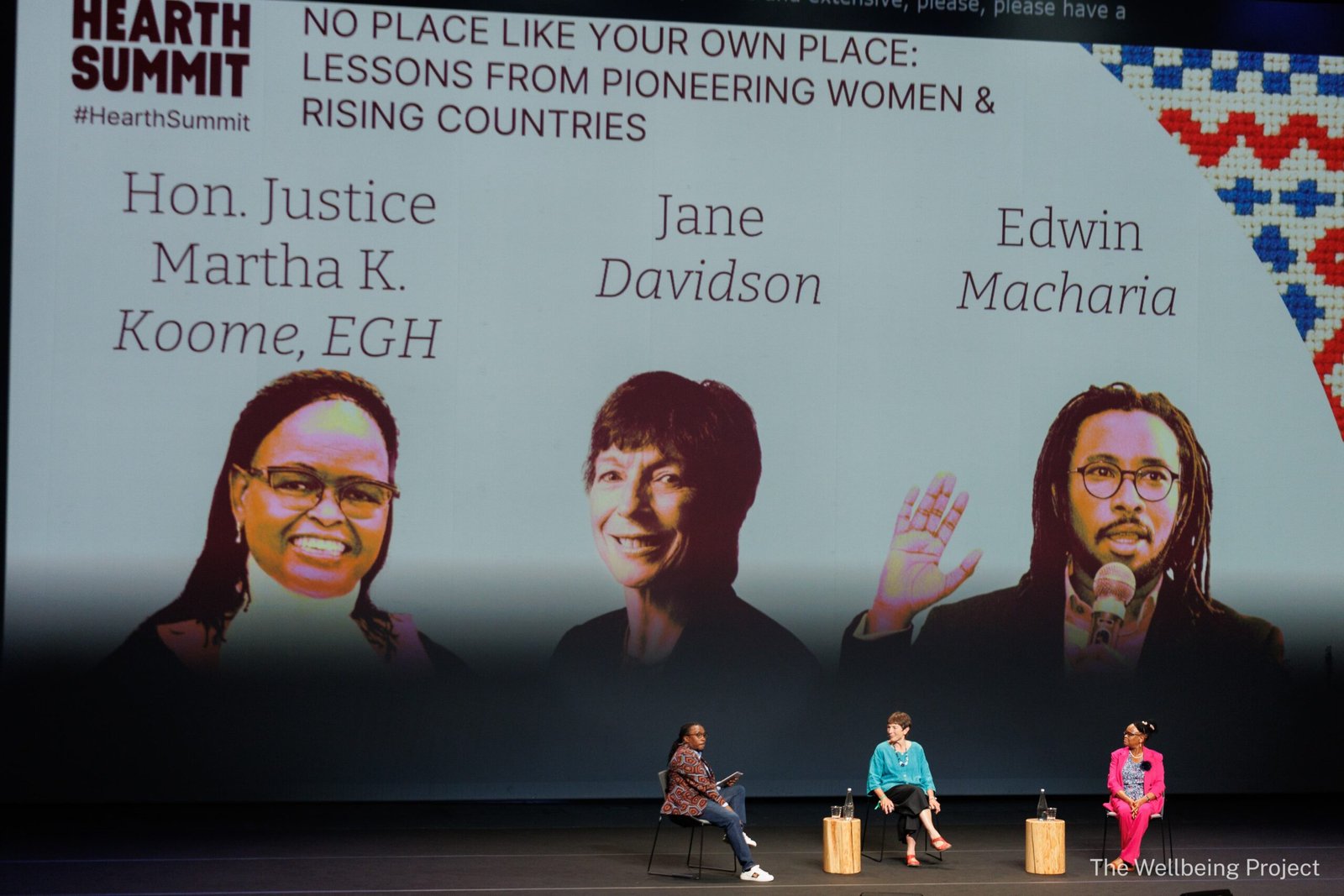
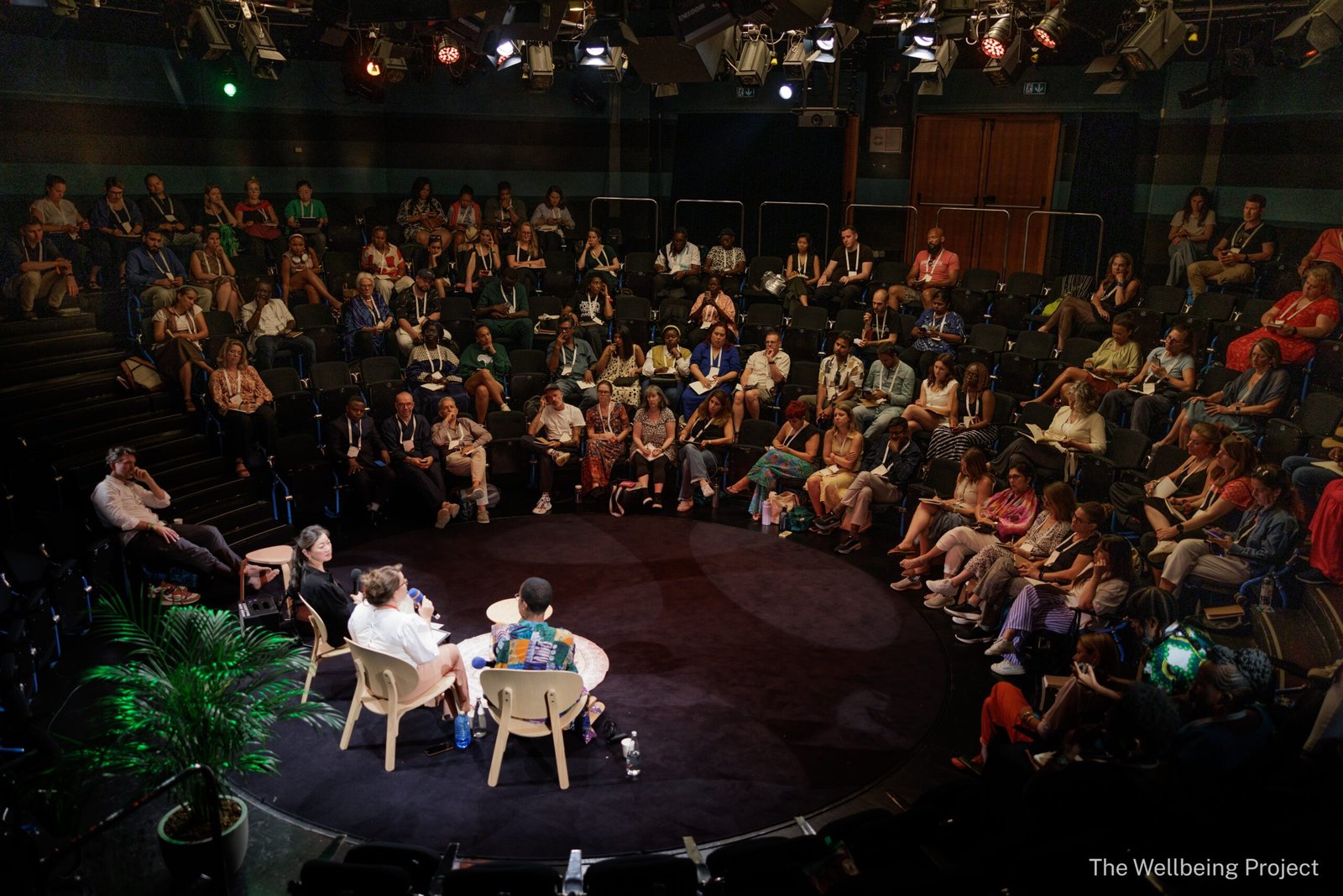
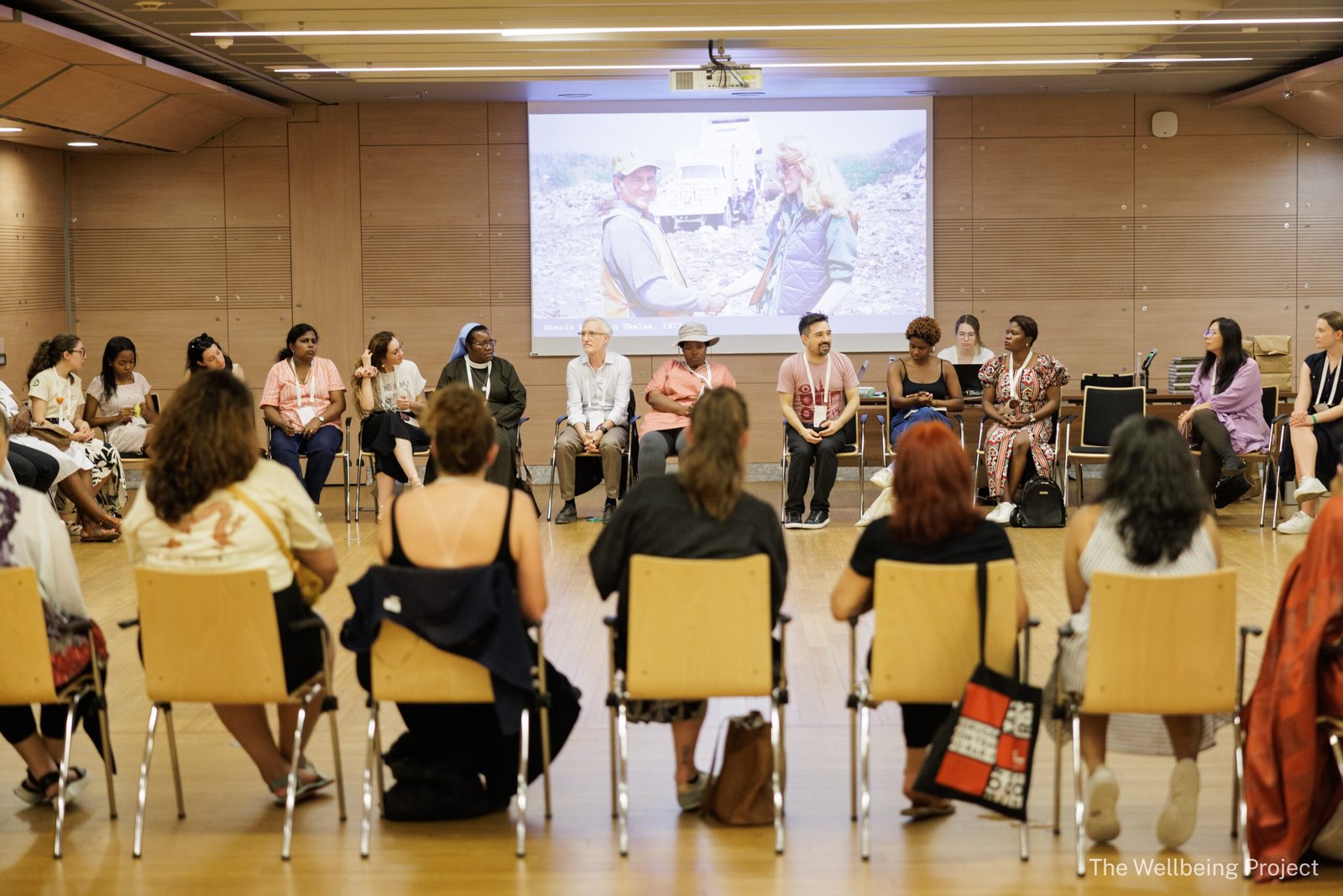
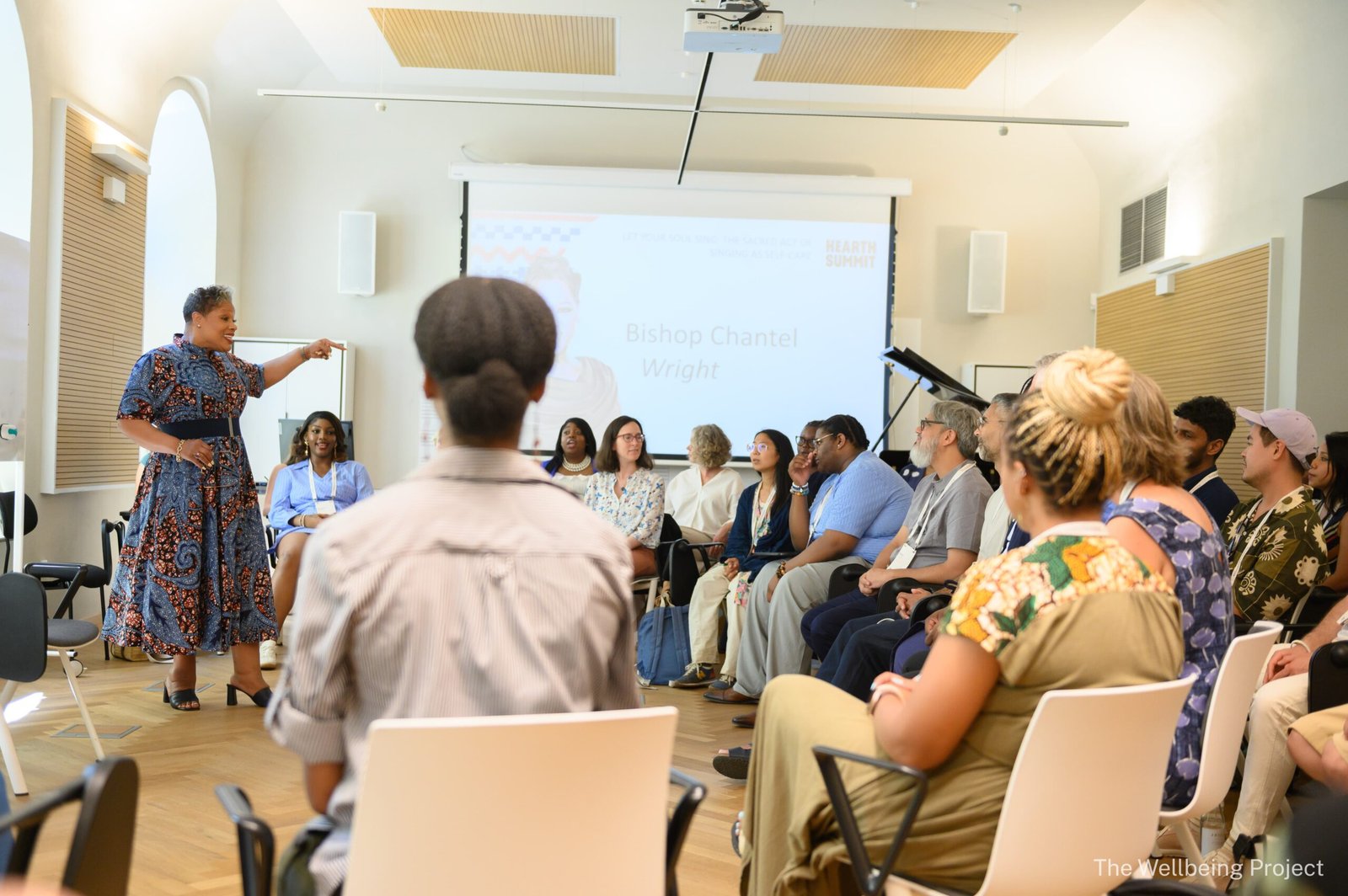
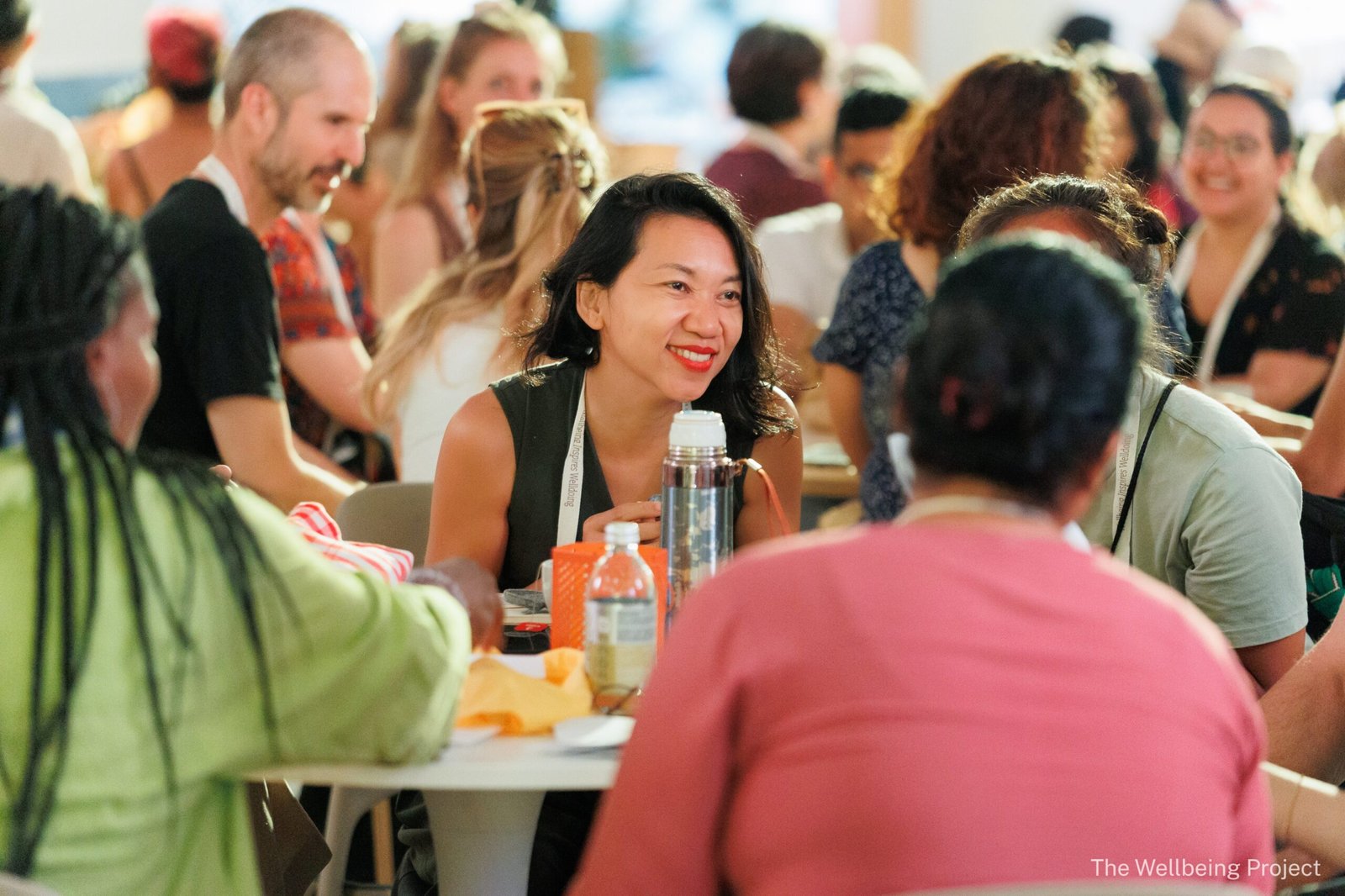
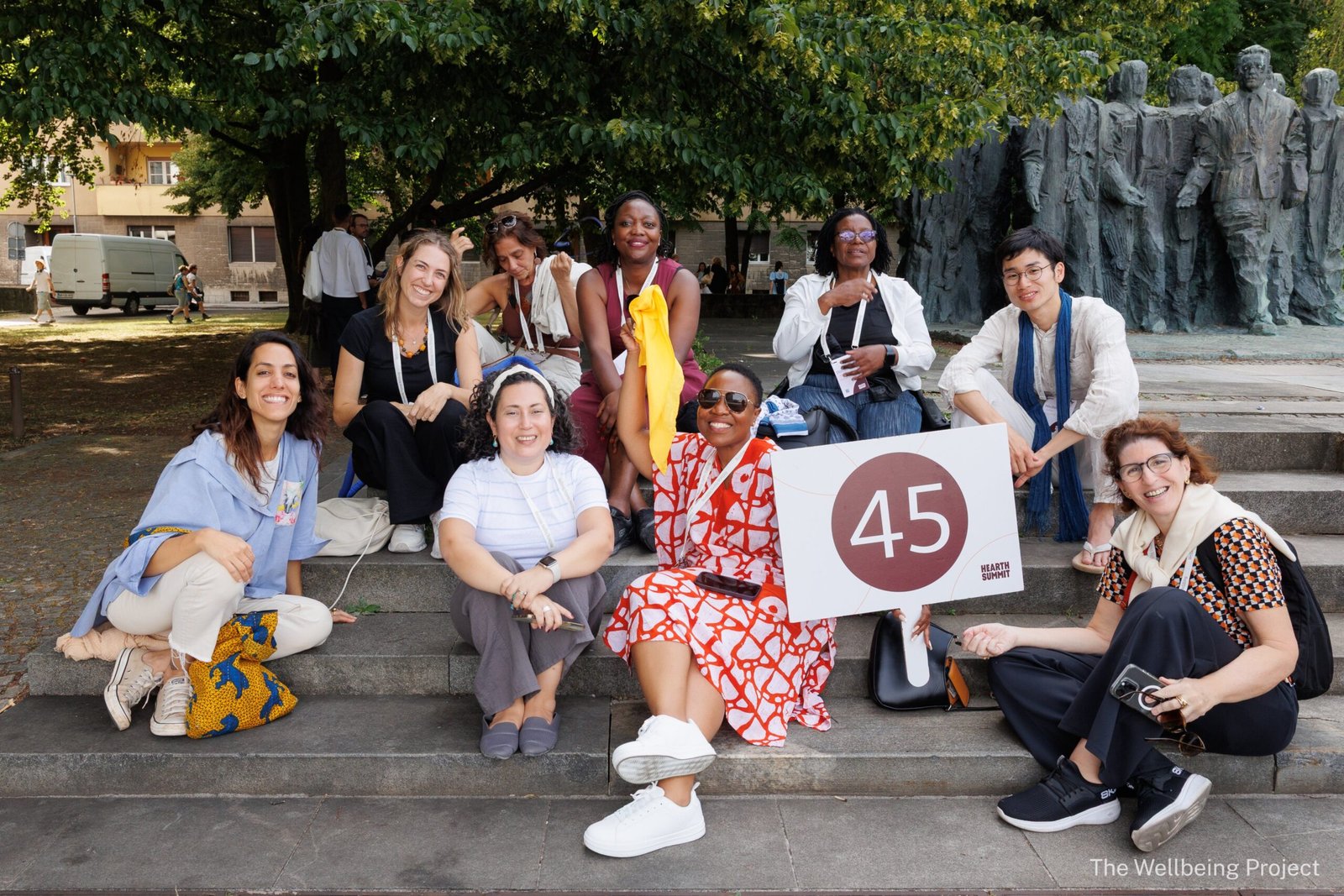
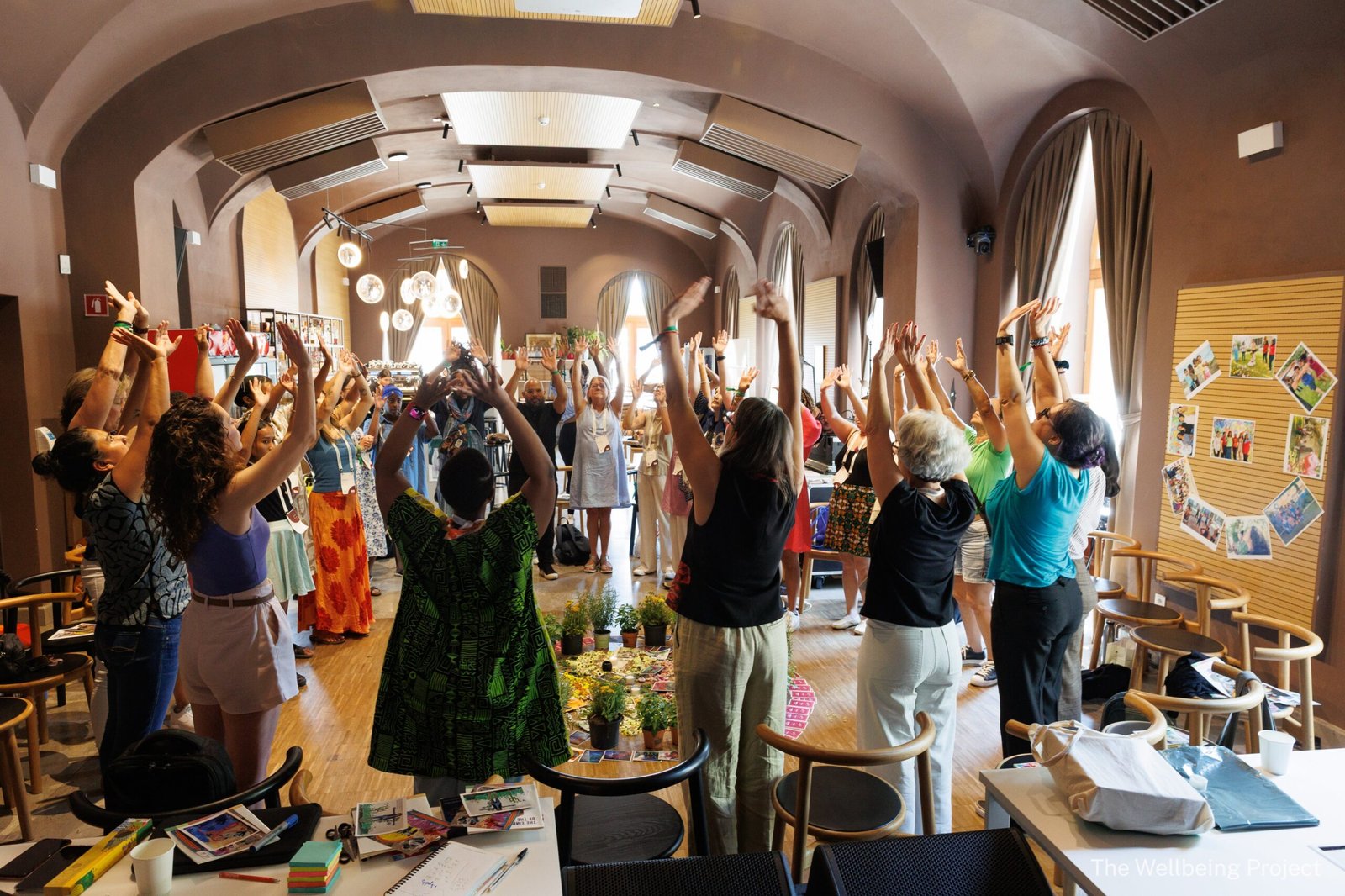
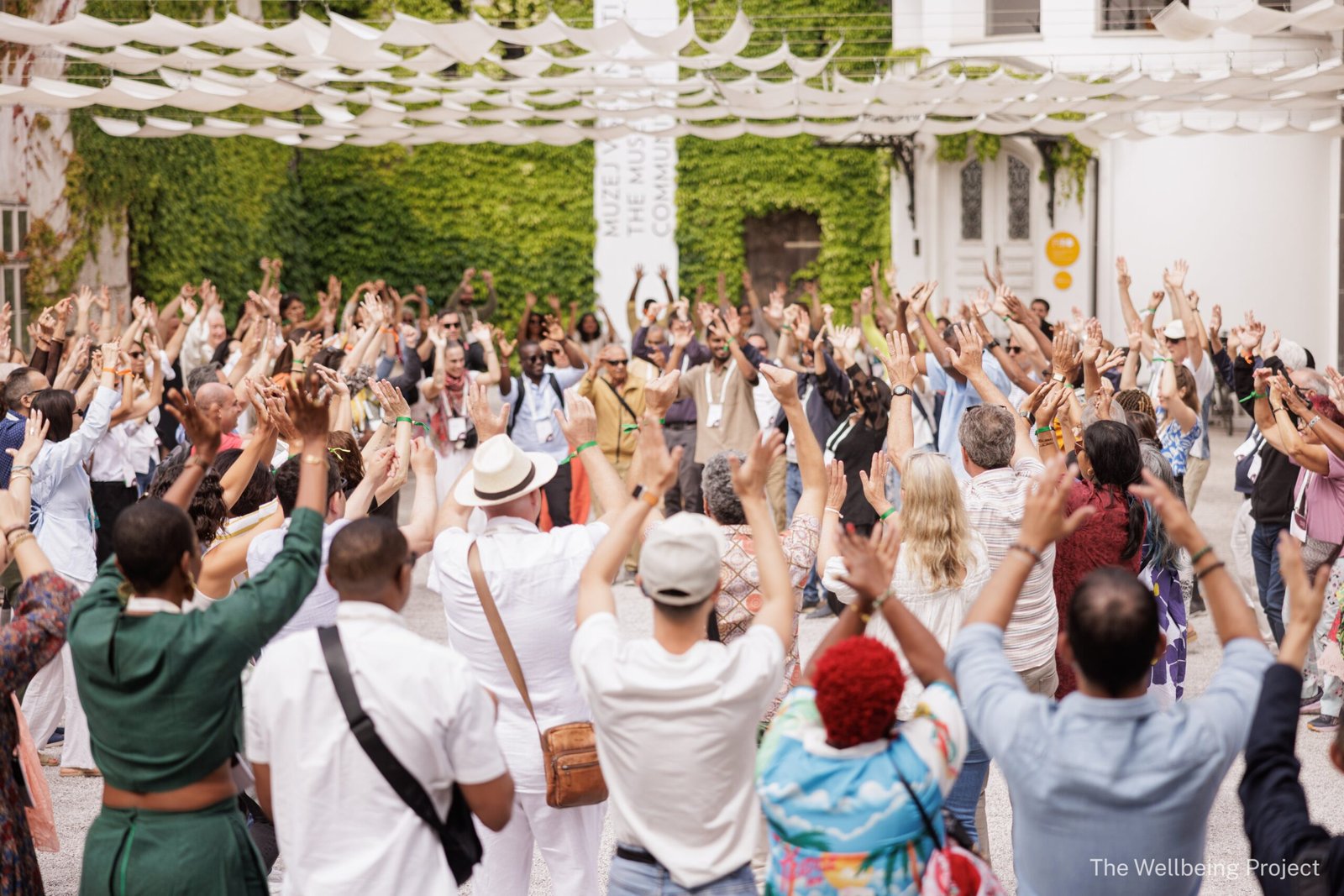
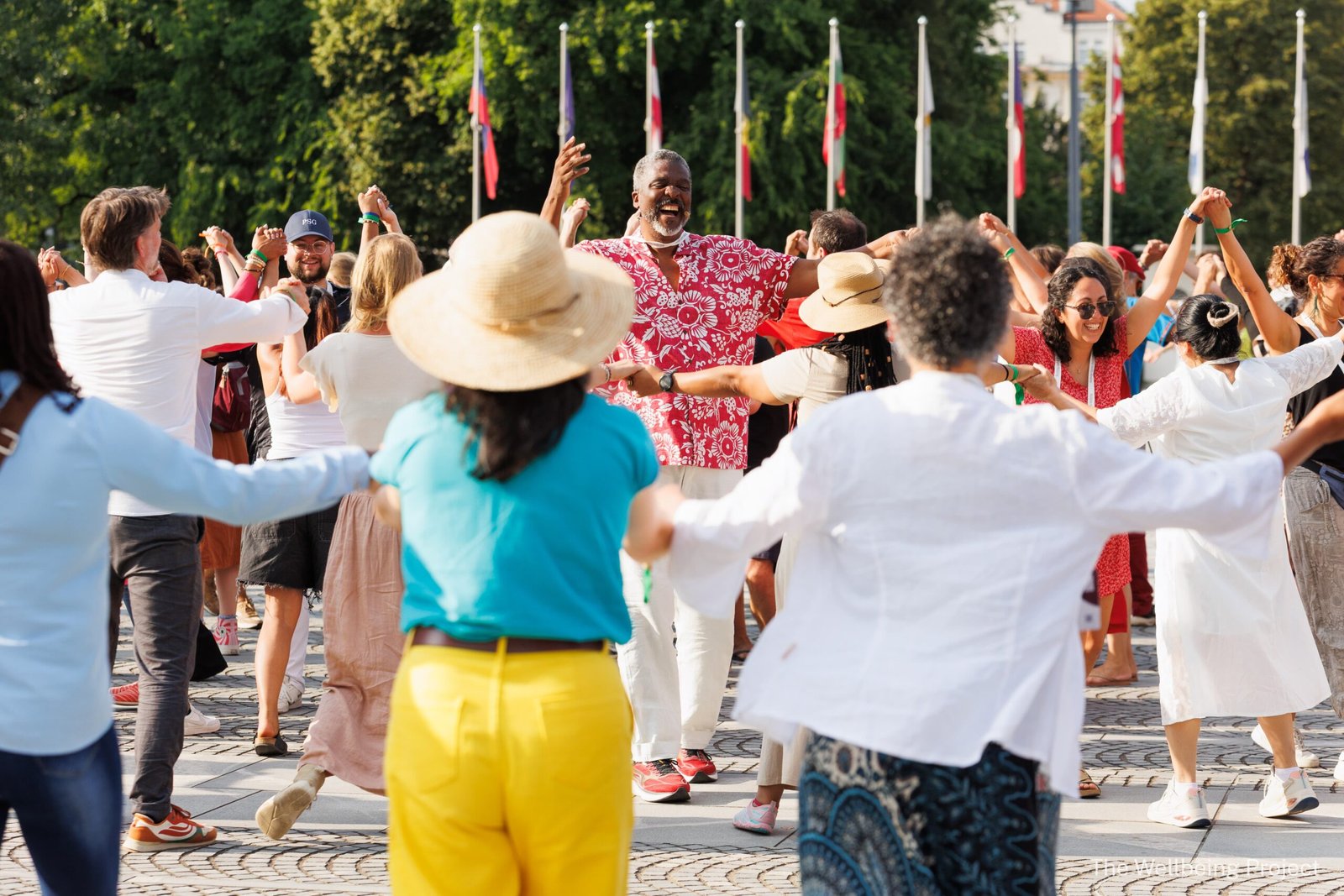
    Gallery Hearth Summit 2025 Gallery

    Credit: Renee van Bavel

    Arts Arts

    Art has always been a vital force in human experience — a universal language through which we make sense of the world and connect across differences. It enables us to process complex emotions, bridge divides, and imagine new ways of being. Art is transformation: it heals, questions, and redefines how we see ourselves and the societies we create.

    At the global Hearth Summit, the arts are not an addition but a core element — a living thread woven through every aspect of the gathering. They deepen our connection by inviting participants into a shared journey of reflection and creation, where individual and collective experiences intertwine. They act as catalysts for social change, helping us reimagine society, challenge conventions, and inspire new approaches to wellbeing and social change.

    The Arts Program —developed in collaboration with local and international cultural partners— brought a vivacious, multidisciplinary pulse to the event. It deepened both individual and collective experiences and journeyed participants into an expressive arc leading to a strengthened, shared sense of purpose long after the Summit.

    Artists Artists

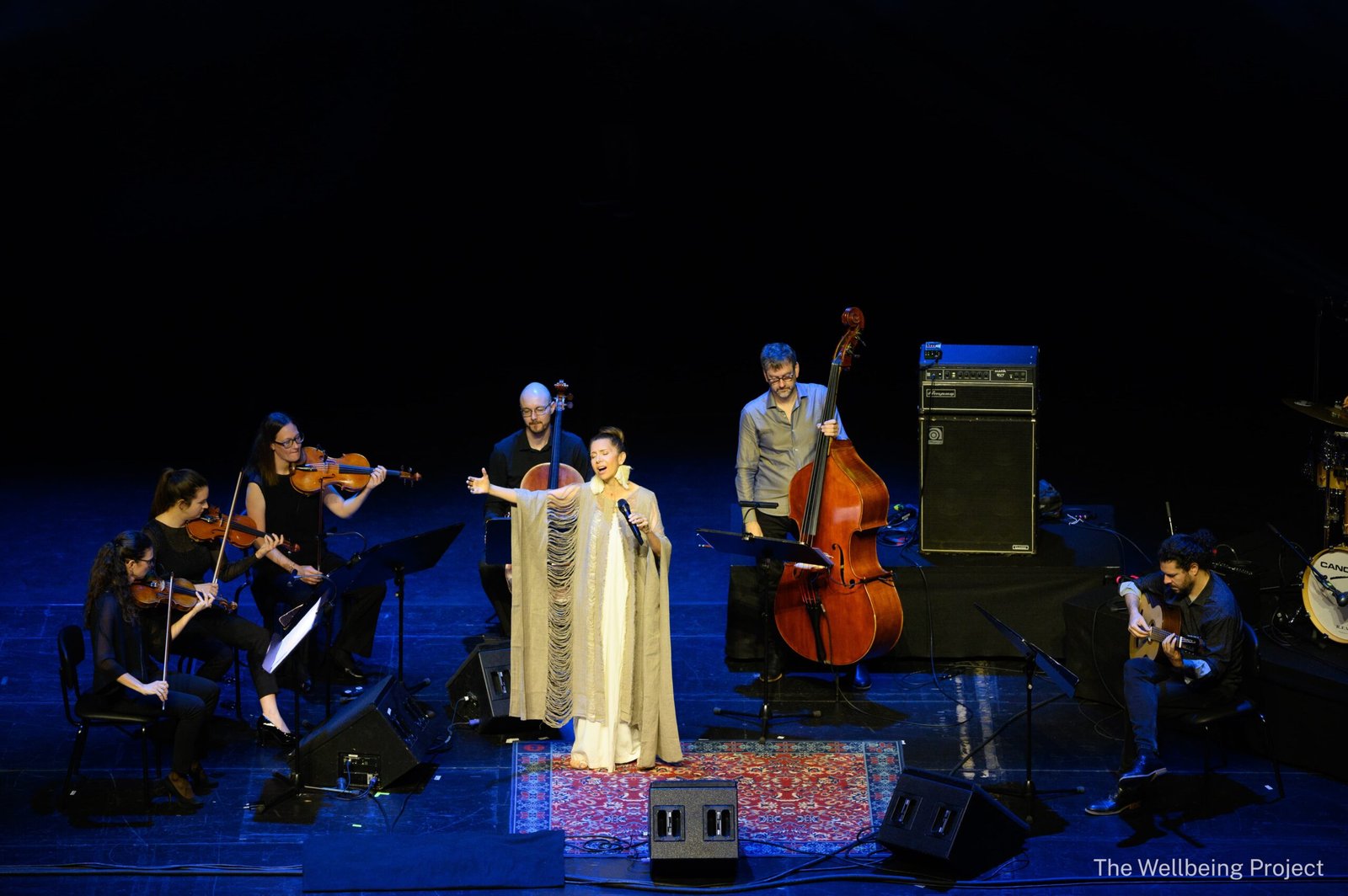
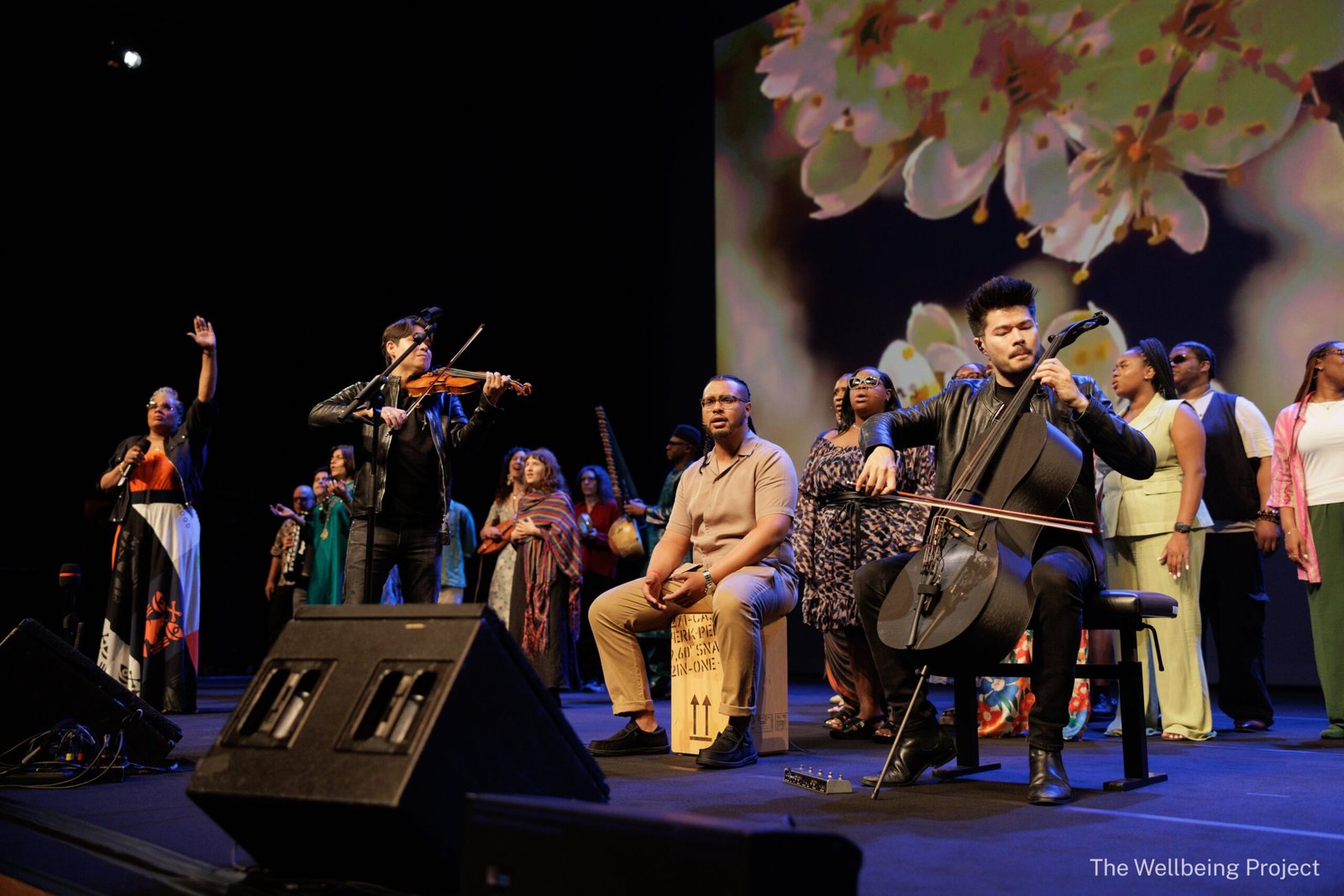
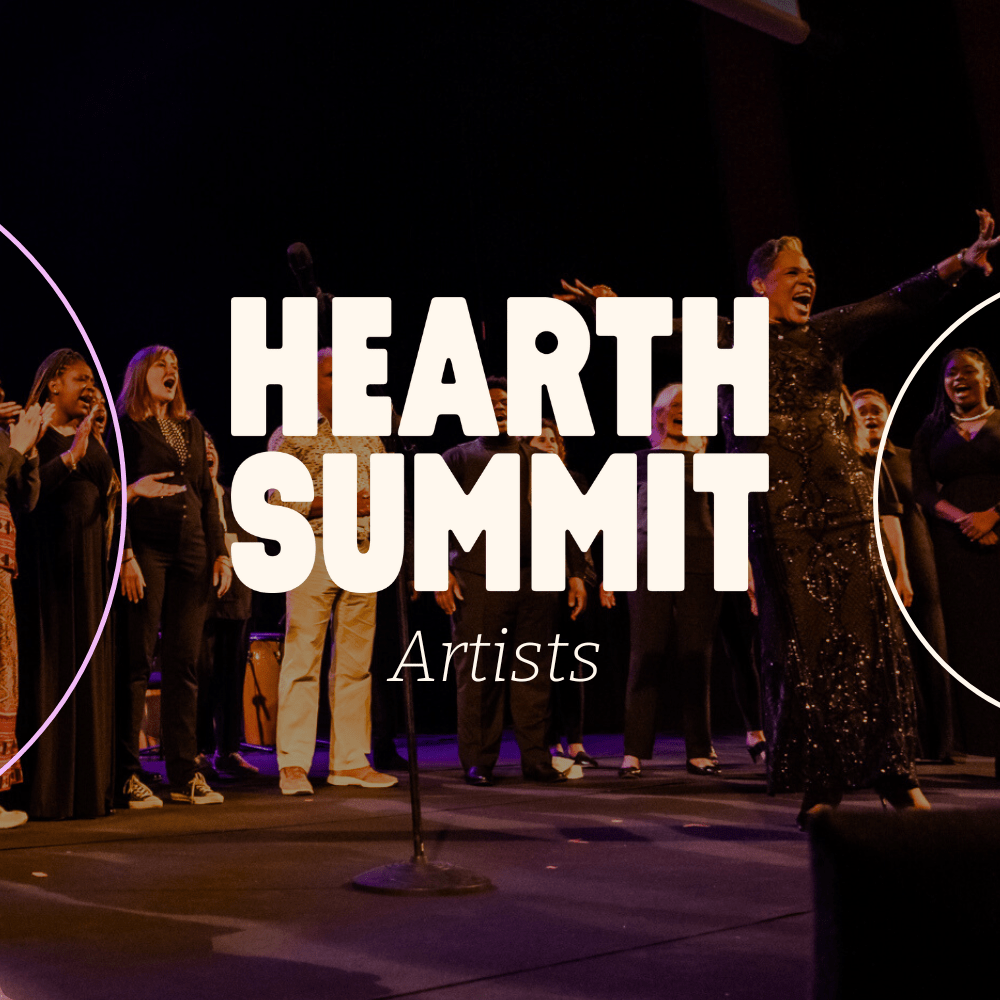
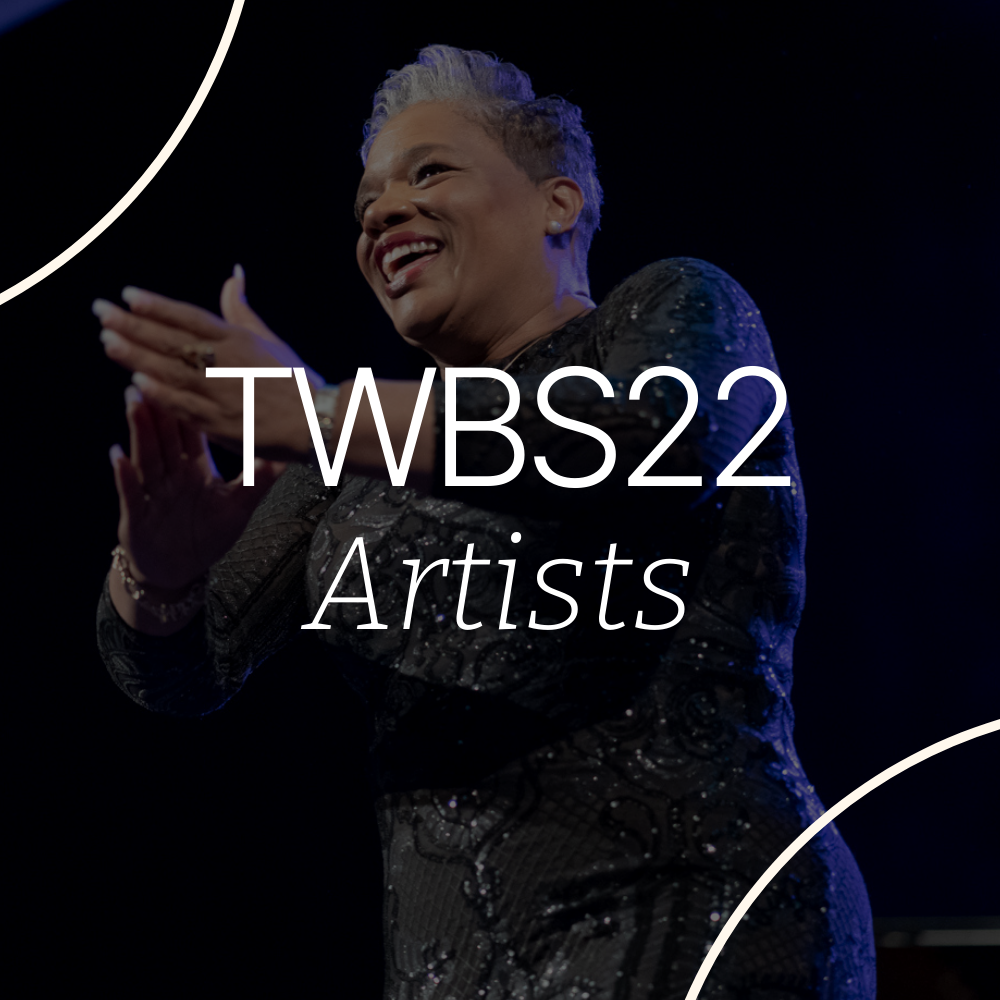
    The Summit featured a vibrant mix of artists and ensembles from around the world, alongside talented creators and groups from the local scene. Through music, dance, visual arts, and storytelling, the Hearth Summit artists animated and deepened both individual and collective experiences throughout the Summit.

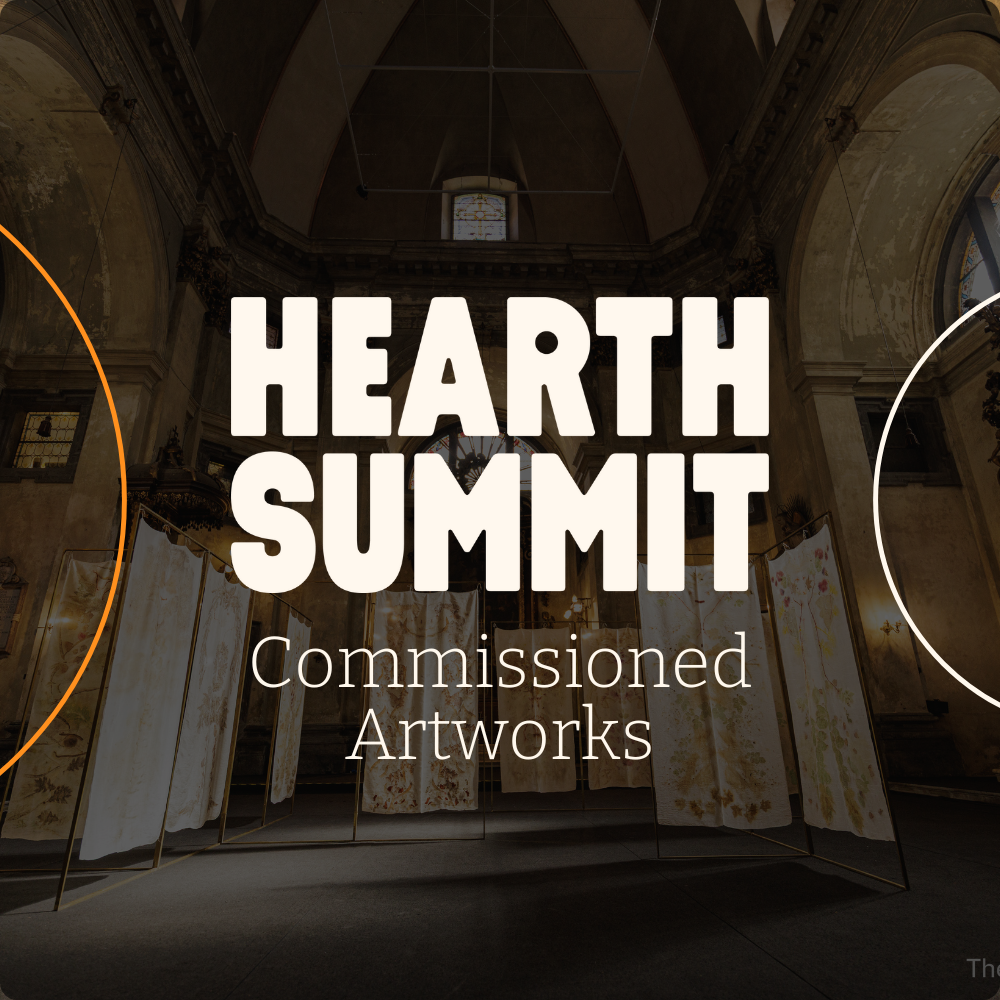
    Arts Commissioned Arts

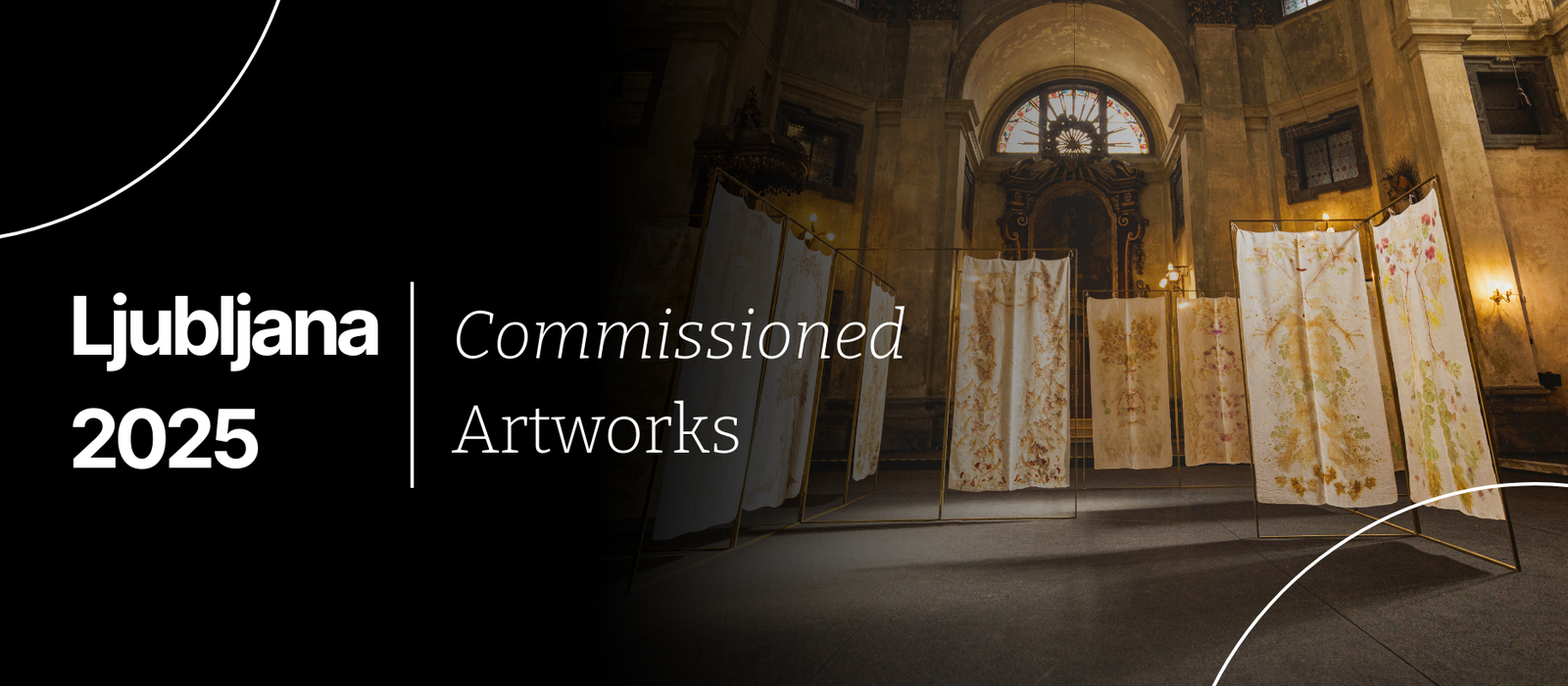
    The Arts Program featured commissioned artworks by acclaimed international artists. Through the different expressions of visual art, Hearth Summit attendees were invited to engage their senses along with the mind to explore what inner wellbeing means in the context of social change.

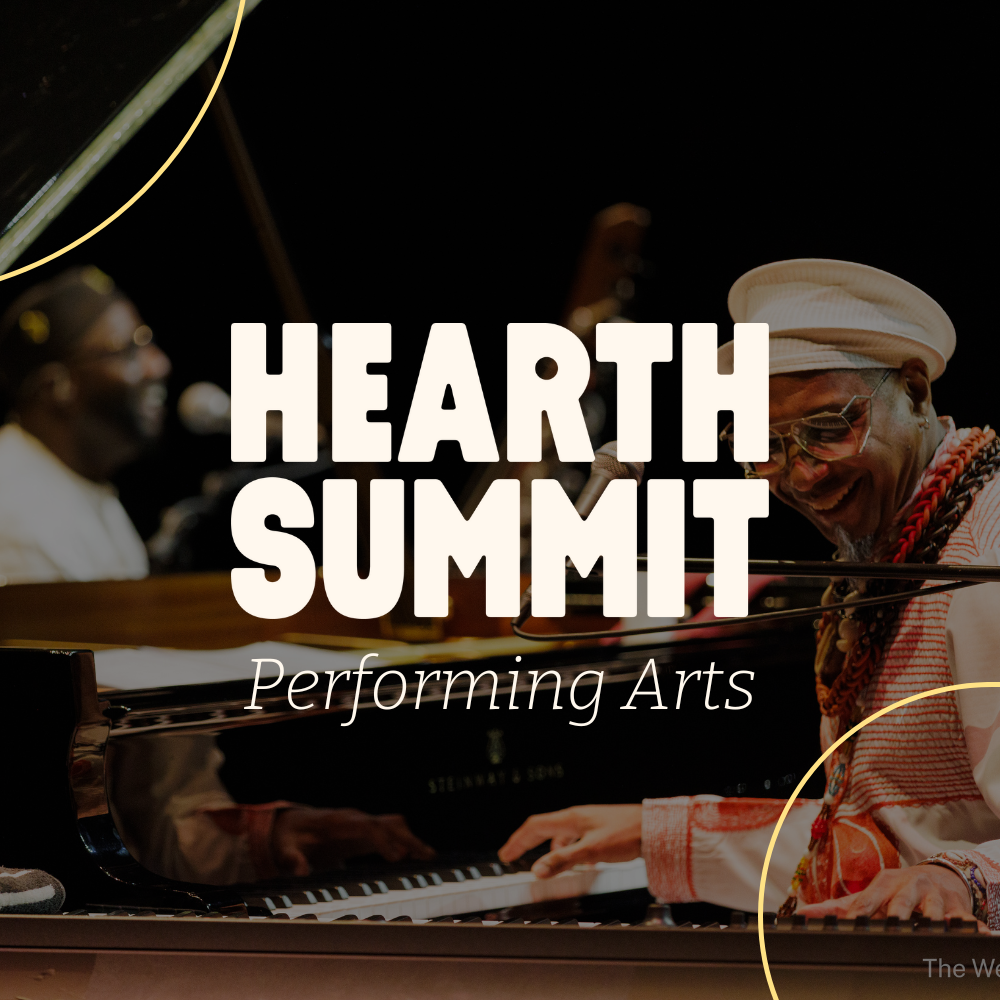
    Arts Performing Arts

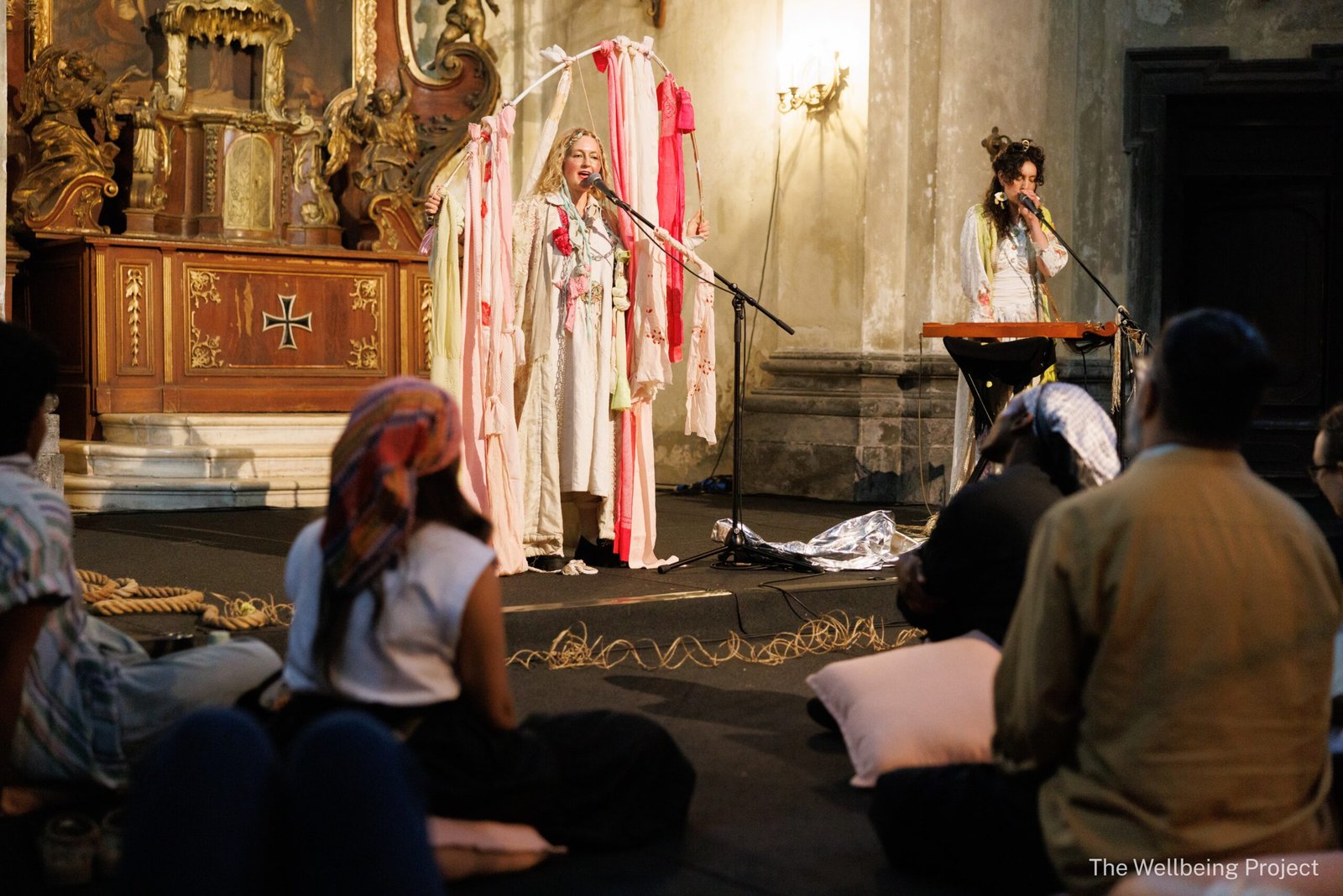
    Storytellers, musicians, and dancers took the stage to perform spirited artistic sets enriching the attendees’ experience. The wide range of performances that accompanied every encounter provided strong conduits for integration, leading to creation, collaboration, and collective transformation.

    Speakers Speakers

    Fitting our individual and collective stories into a narrative allows us to make sense of the world.

    Telling and retelling it shapes our identity, just as listening to others’ stories helps us locate ourselves within a collective narrative map. Yet some stories offer a glimpse of possibility — an invitation to expand, transform, or rewrite parts of our own narrative, enabling us to act differently and evolve.

    Speakers Speakers

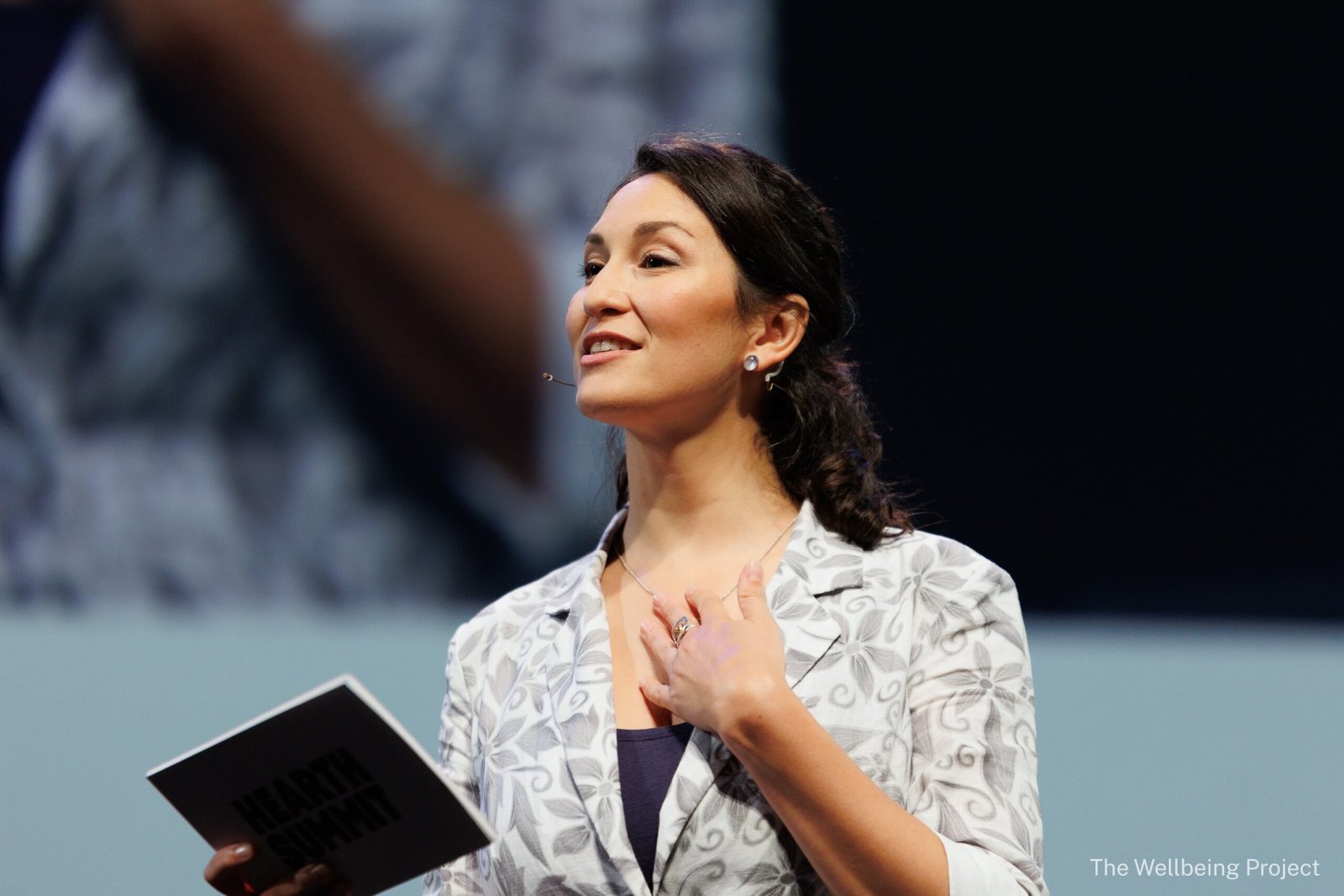
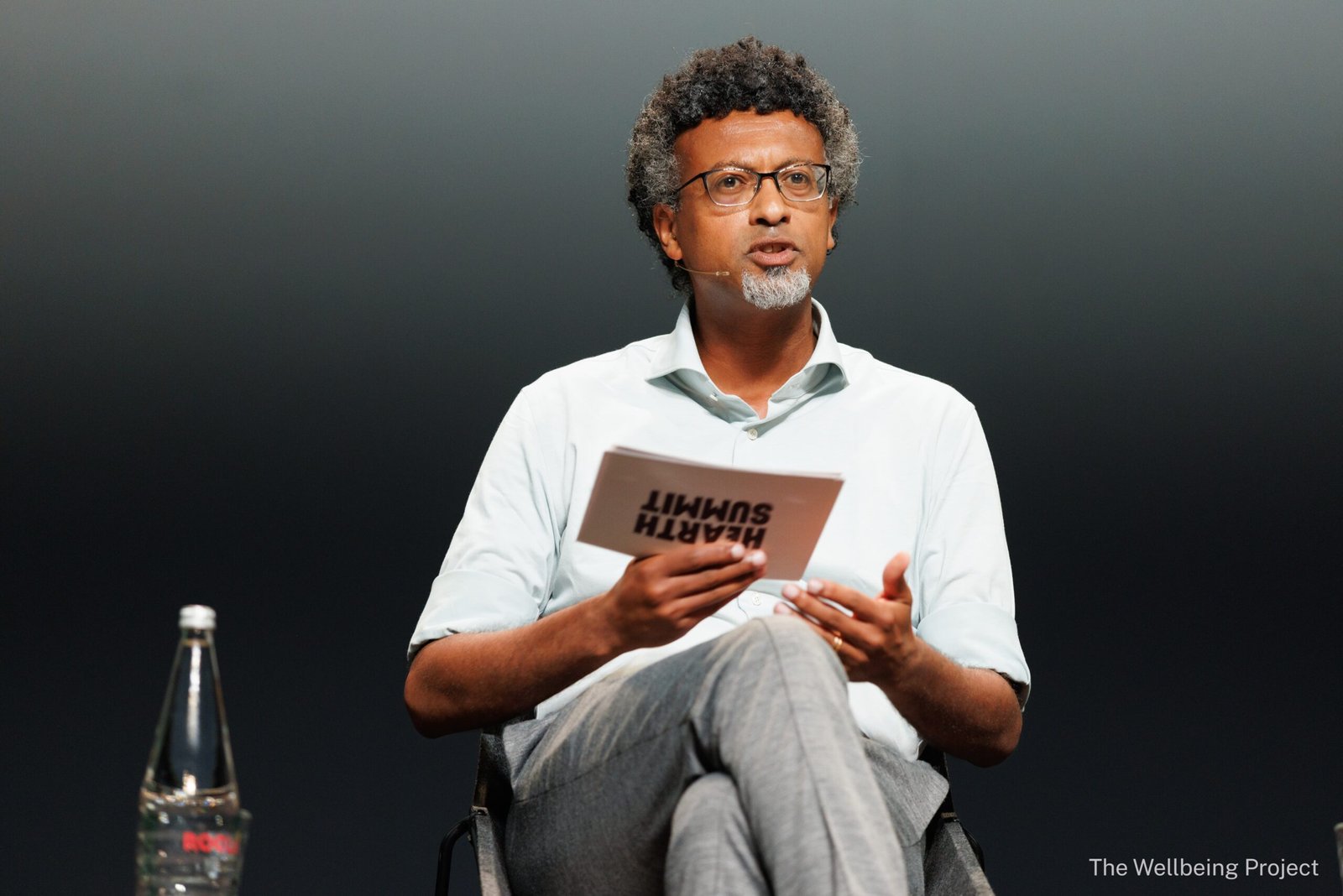
    The brightest minds from around the world will take the stage to guide our reflections and discussions around the Hearth, through talks, panel discussions, conversations, workshops, embodied practices and artistic experiences. These incredible voices will co-create a holistic and multi-faceted view of wellbeing and social change with their diverse perspectives from different backgrounds, cultures and traditions.

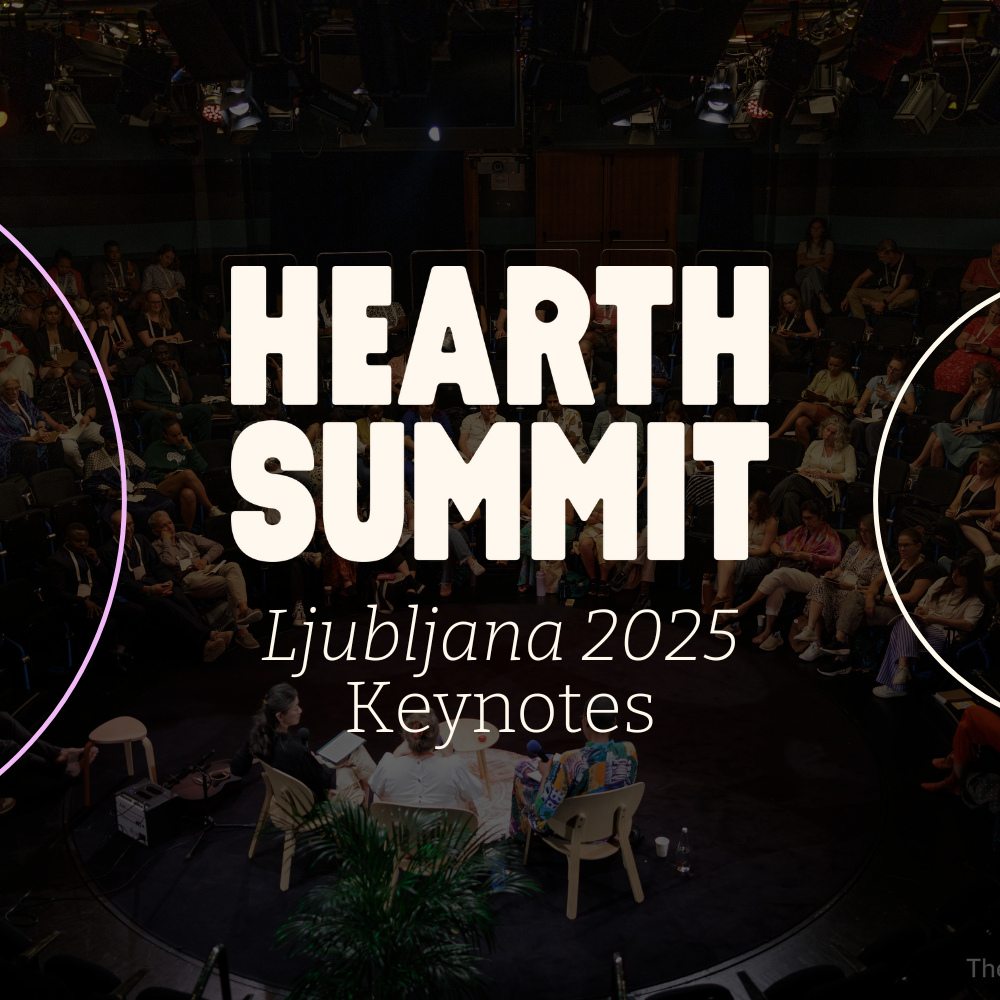
    Keynotes Keynotes

    (Re)connect with our past editions and dive into our video archives.

    Keynotes Keynotes

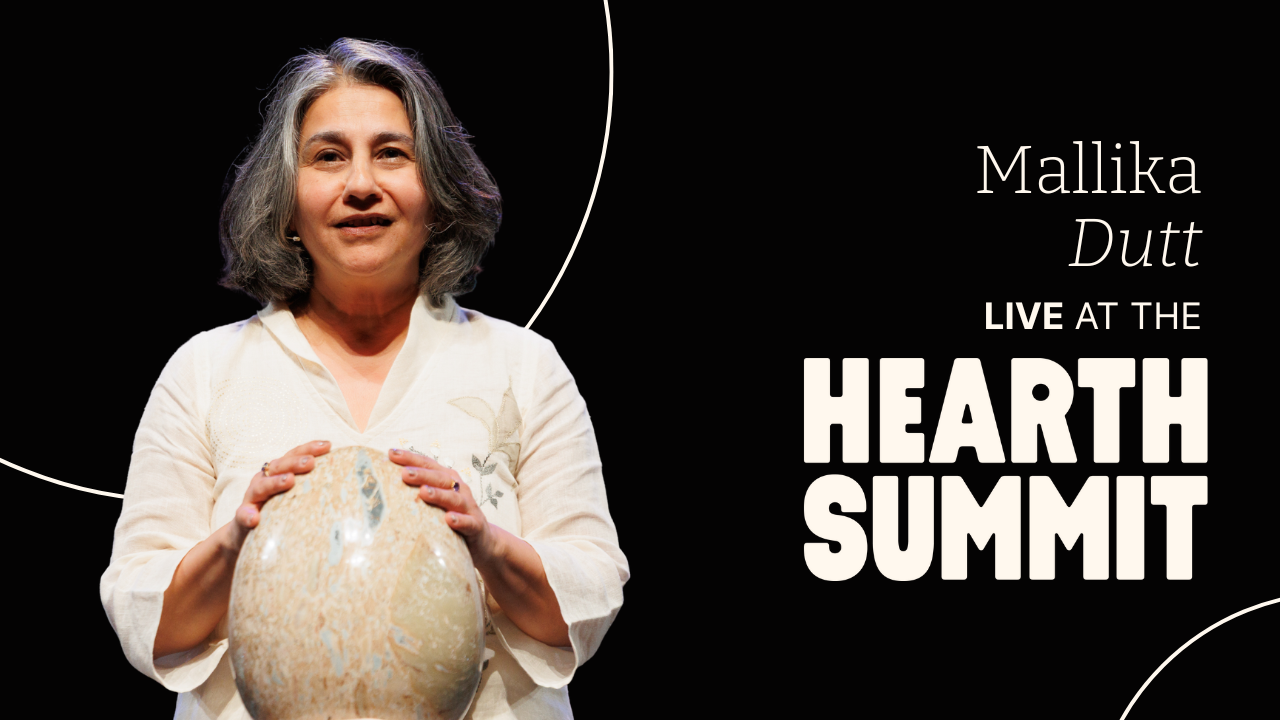
    Opening to Ritual

    Malika Dutt 

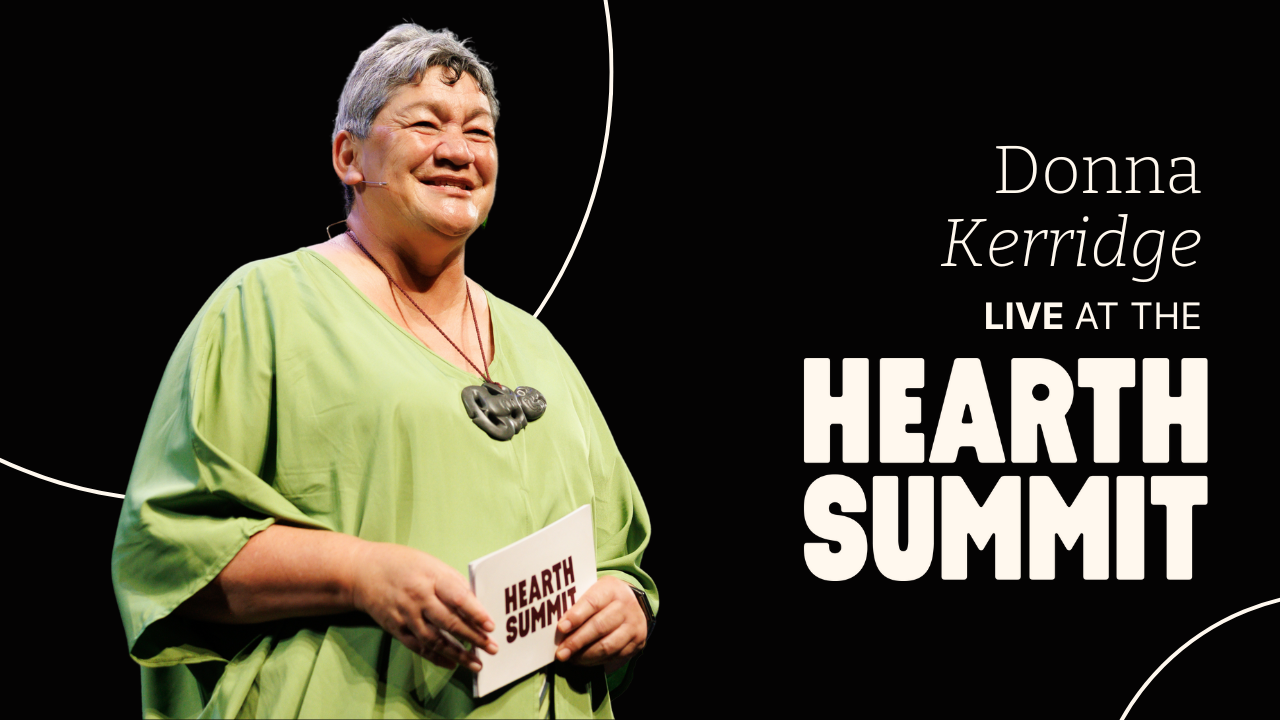
    Belonging to the Living Web: Healing Through Kinship with the Earth

    Donna Kerridge

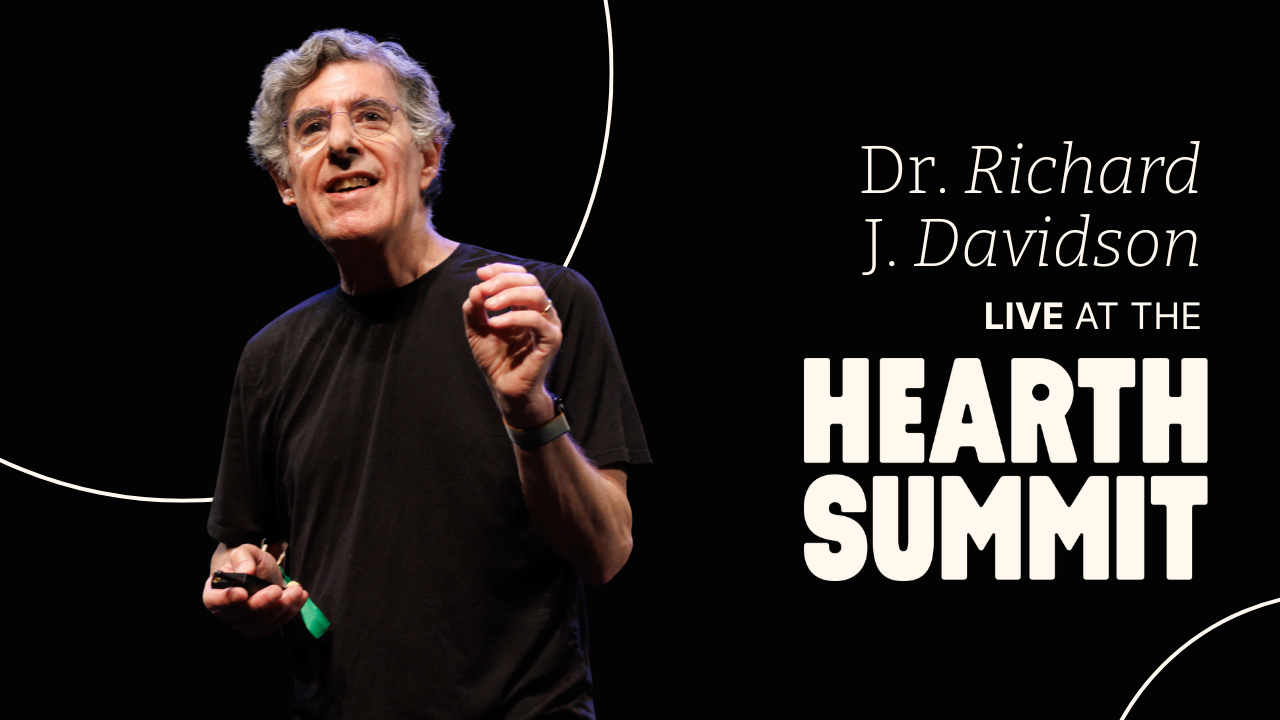
     Beyond the Known: How Science Is Rewriting What It Means to Be Alive

    Dr. Richard J. Davidson

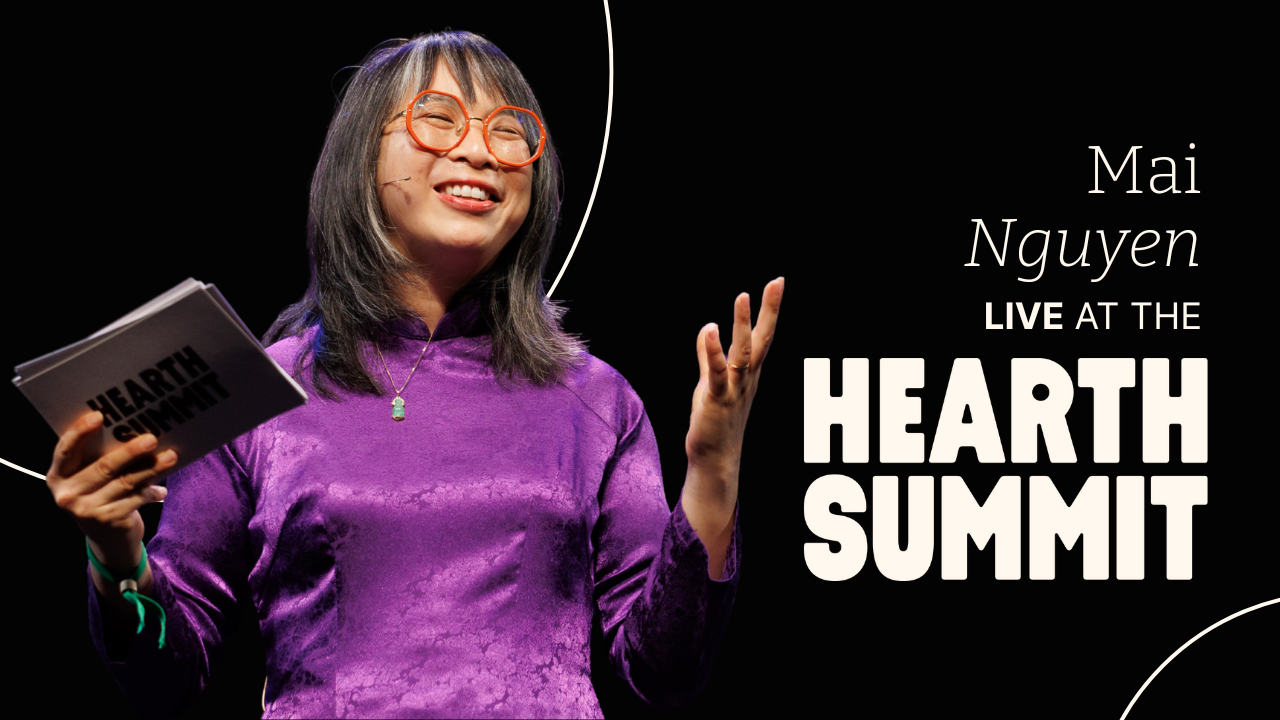
     Seeds of Memory: Fostering Belonging Through Food and Farming

    Mai Nguyen

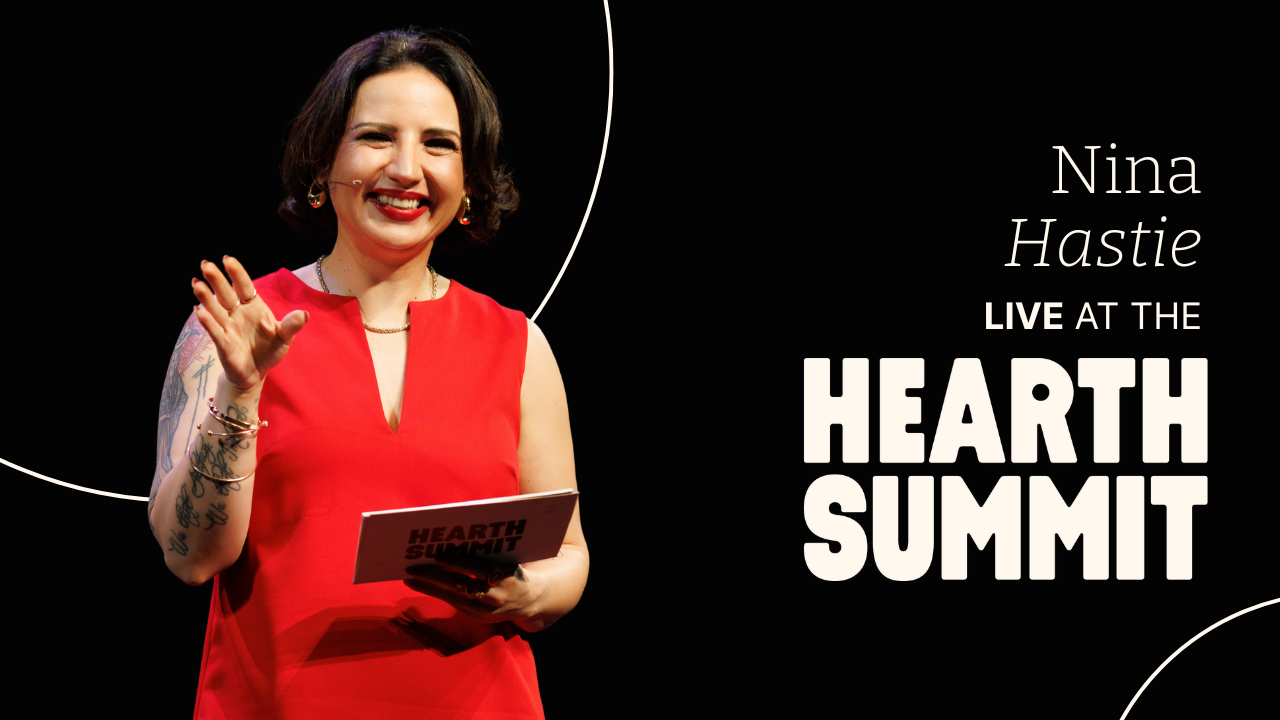
    Lighten Up: The Healing Power of Not Taking Ourselves Too Seriously

    Nina Hastie

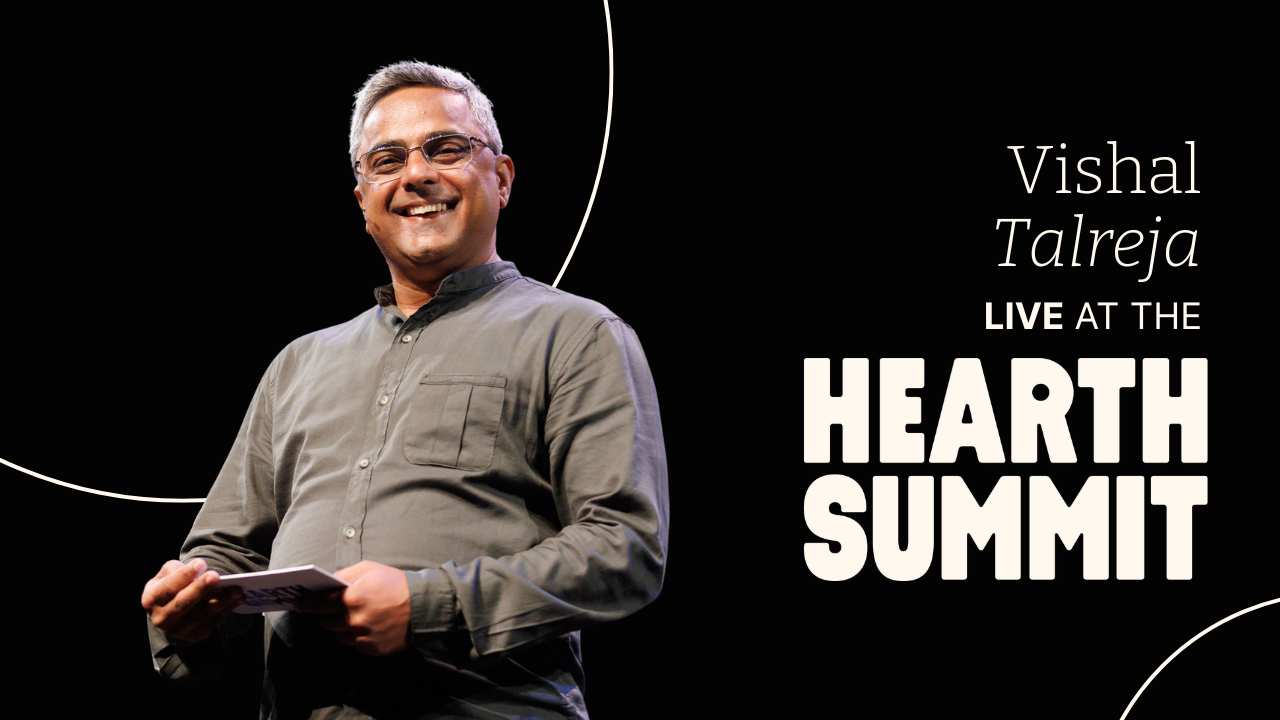
    What Breaks Also Opens: A Journey Through Burnout

    Vishal Talreja

    This Is the Time of Our Lives

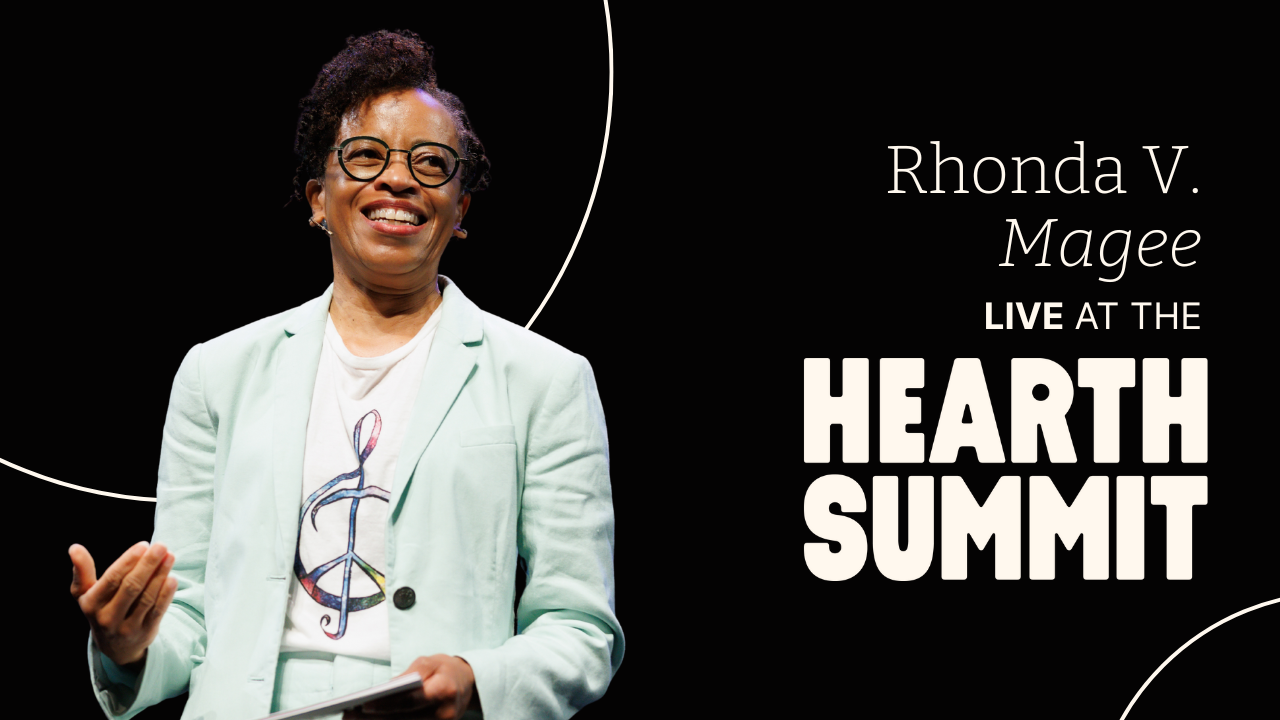
    Rhonda V. Magee

    Rooted: How Nature Shapes the Way We Live and Lead

    Reimagining the City: Sacred Foundations, Listening Practices, and Intergenerational Wisdom

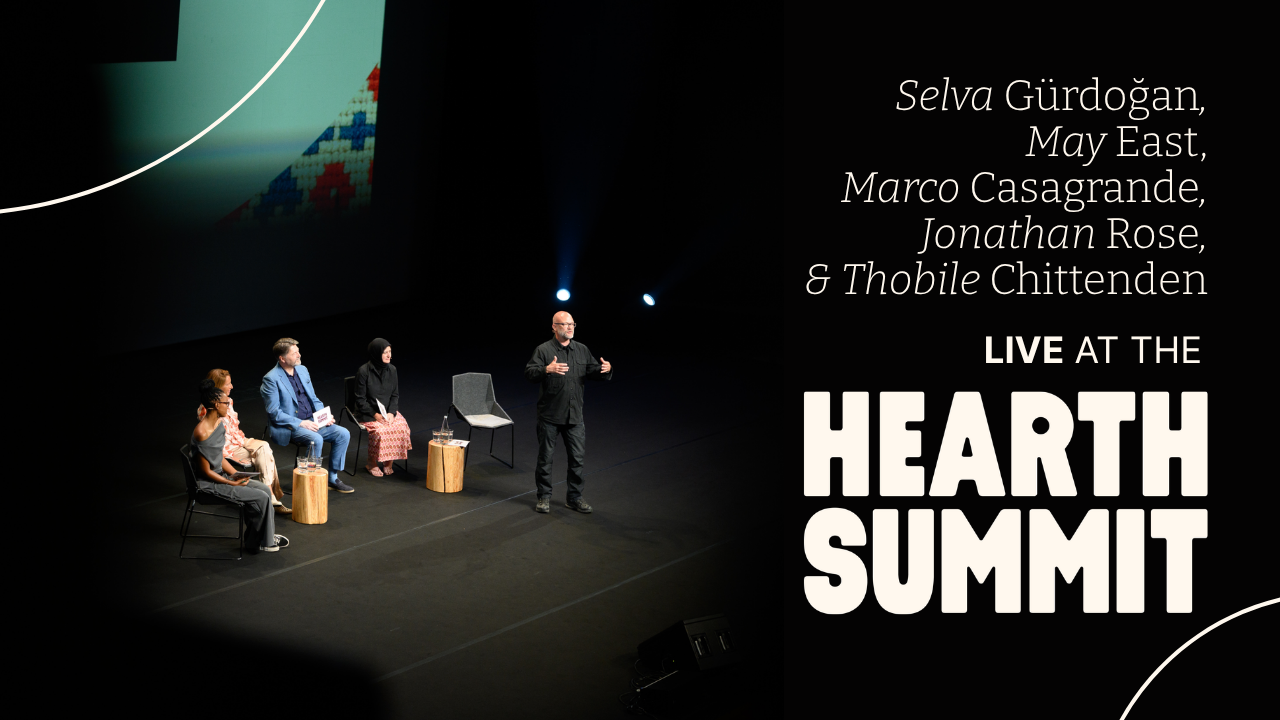
    Selva Gürdoğan, May East, Marco Casagrande, Jonathan Rose, Moderator Thobile Chittenden

    Tending to Each Other As We Heal: A Dialogue on Intimacy and Inner Work

    Listening as a Keystone Species: Nature Communication, Ritual and the Work of Regeneration

    The Thing About Arts

    The Far Edge of Knowing A Closing Invitation to the In Between

    The End, As We Continue

    Arts Commissioned Artworks

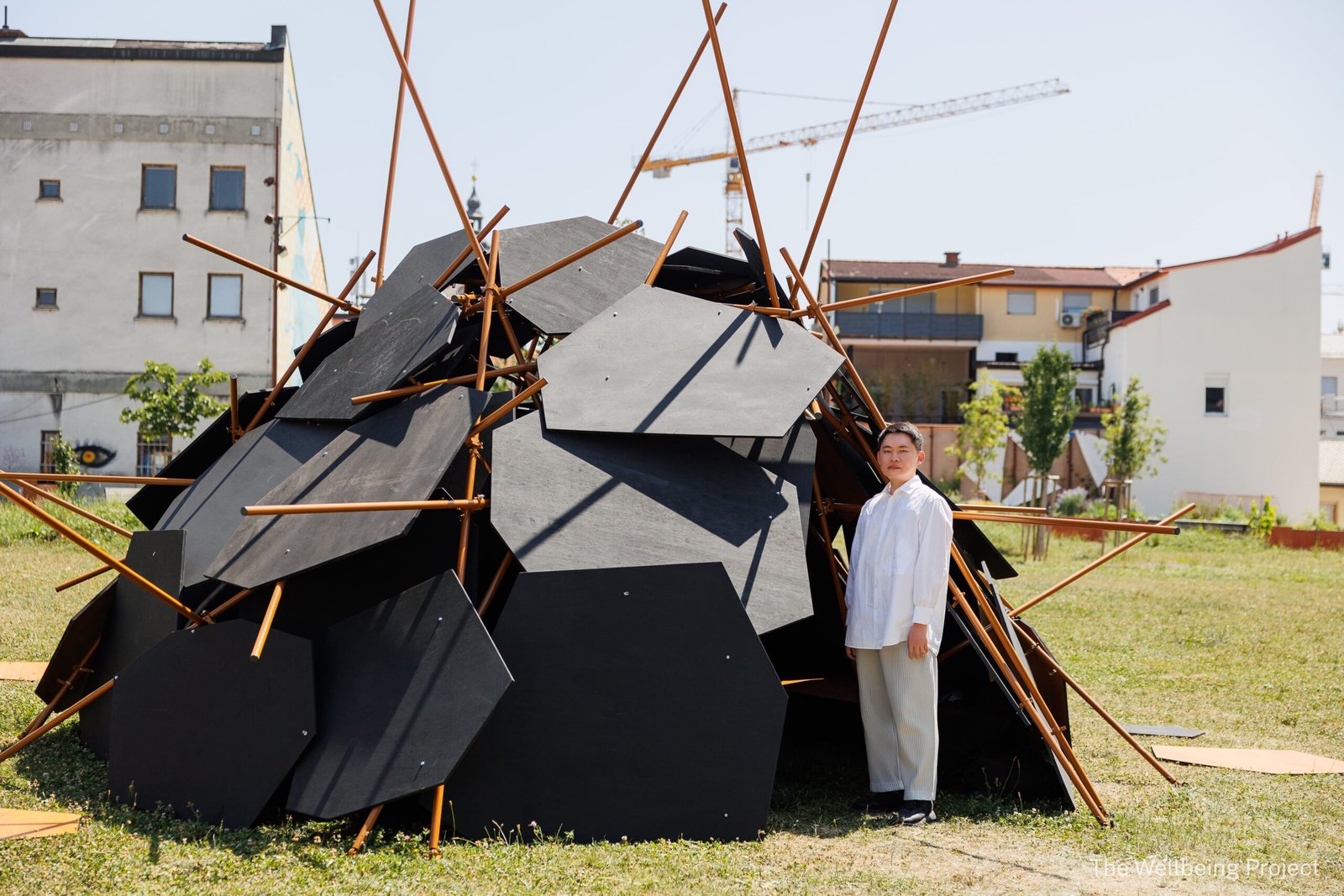
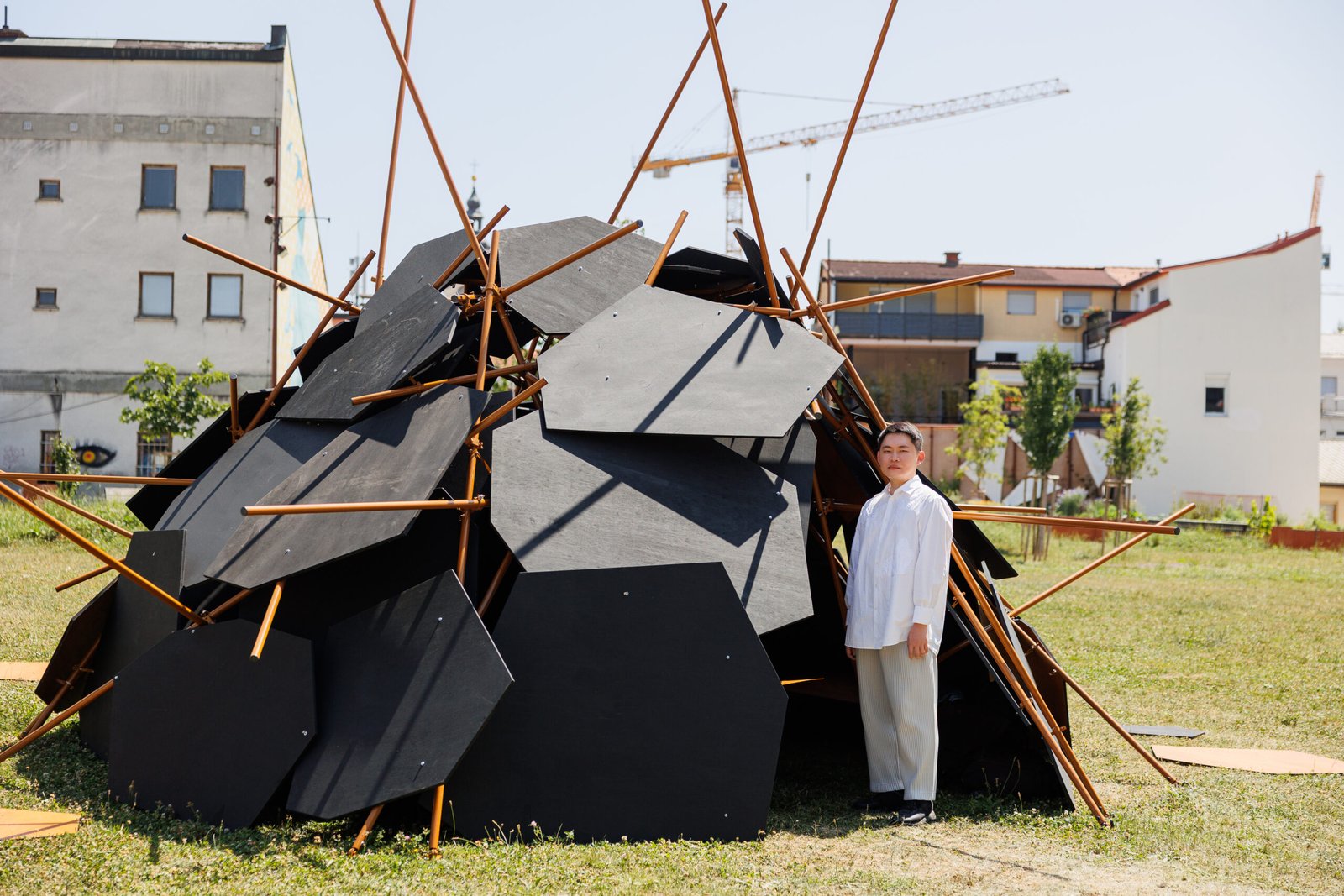
    DRAGON NEST – CHENG TSUNG FENG

    Taiwanese artist, Cheng Tsung Feng,  bridges the past with the present through his deep exploration of traditional craftsmanship. Drawing inspiration from ancient cultures, his works tell stories of handmade memories, while pushing boundaries of creativity with modern techniques.  In honor of the traditions and stories of Ljubljana, Feng has created a nest for the mythical dragon–a creature both nurturing and protective, fiery and gentle. Visit the nest, sit inside, be renewed and reborn. 

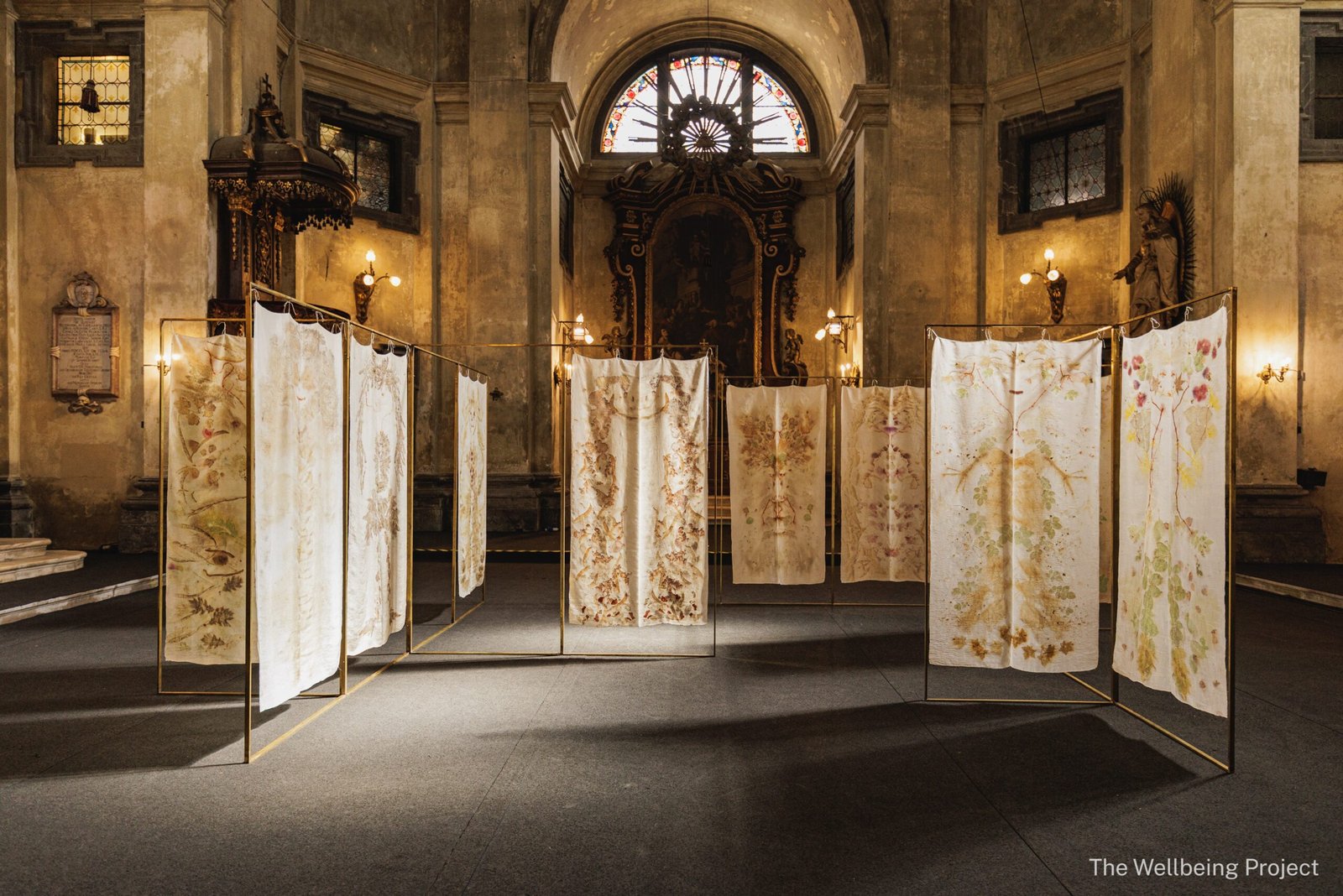
    TENT – CHIARA CAMONI

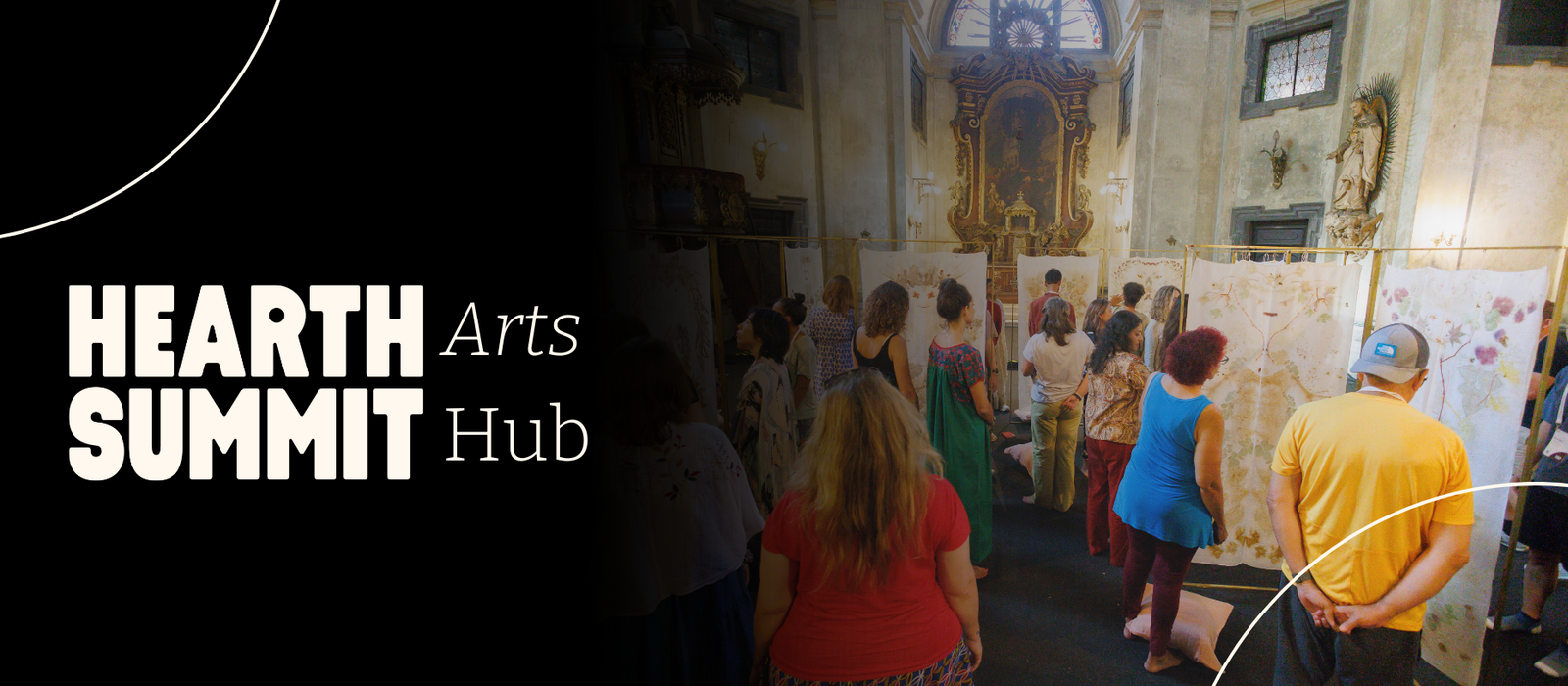
    Born in Piacenza, Italy, and working in the Apuan Alps of Tuscany, Chiara Camoni creates connections with people, places, and plants. Her practice engages a shifting, spontaneous group of friends, family, and others who shape the work alongside her.  In Ljubljana,  she is working with Krater, the artist collective that embraces regenerative practices and alliances to open eyes to nature and each other anew. Camoni’s installation of silks dyed with the natural pigments of local plants, invites all to immerse themselves in an environment of belonging.

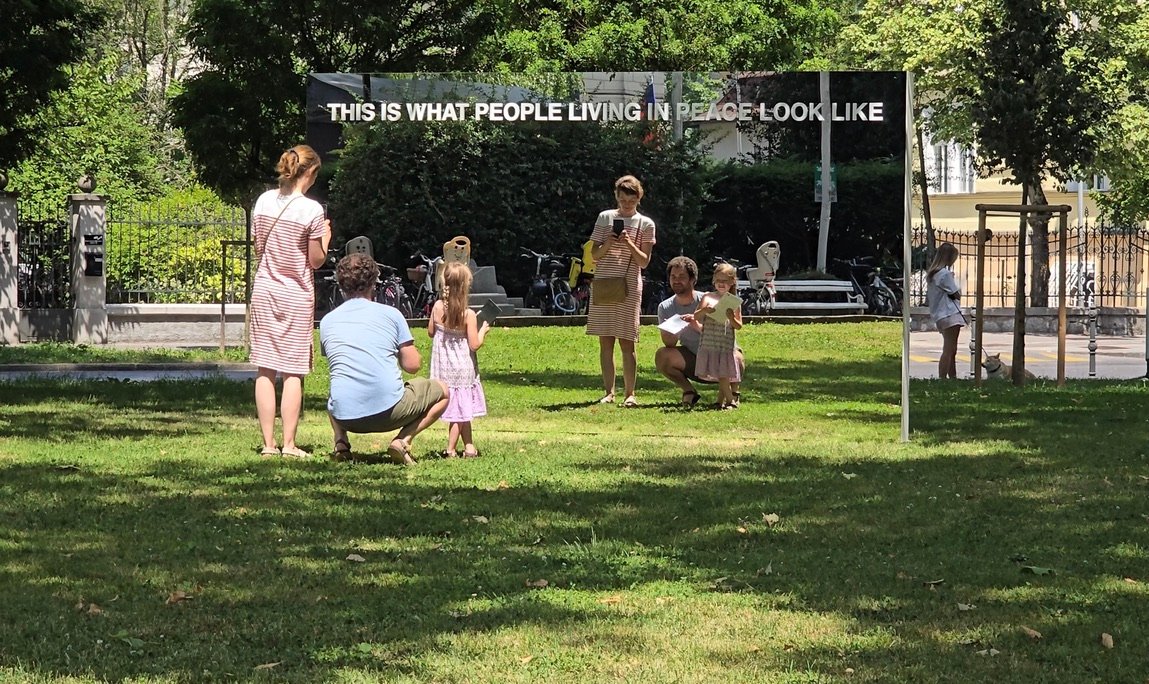
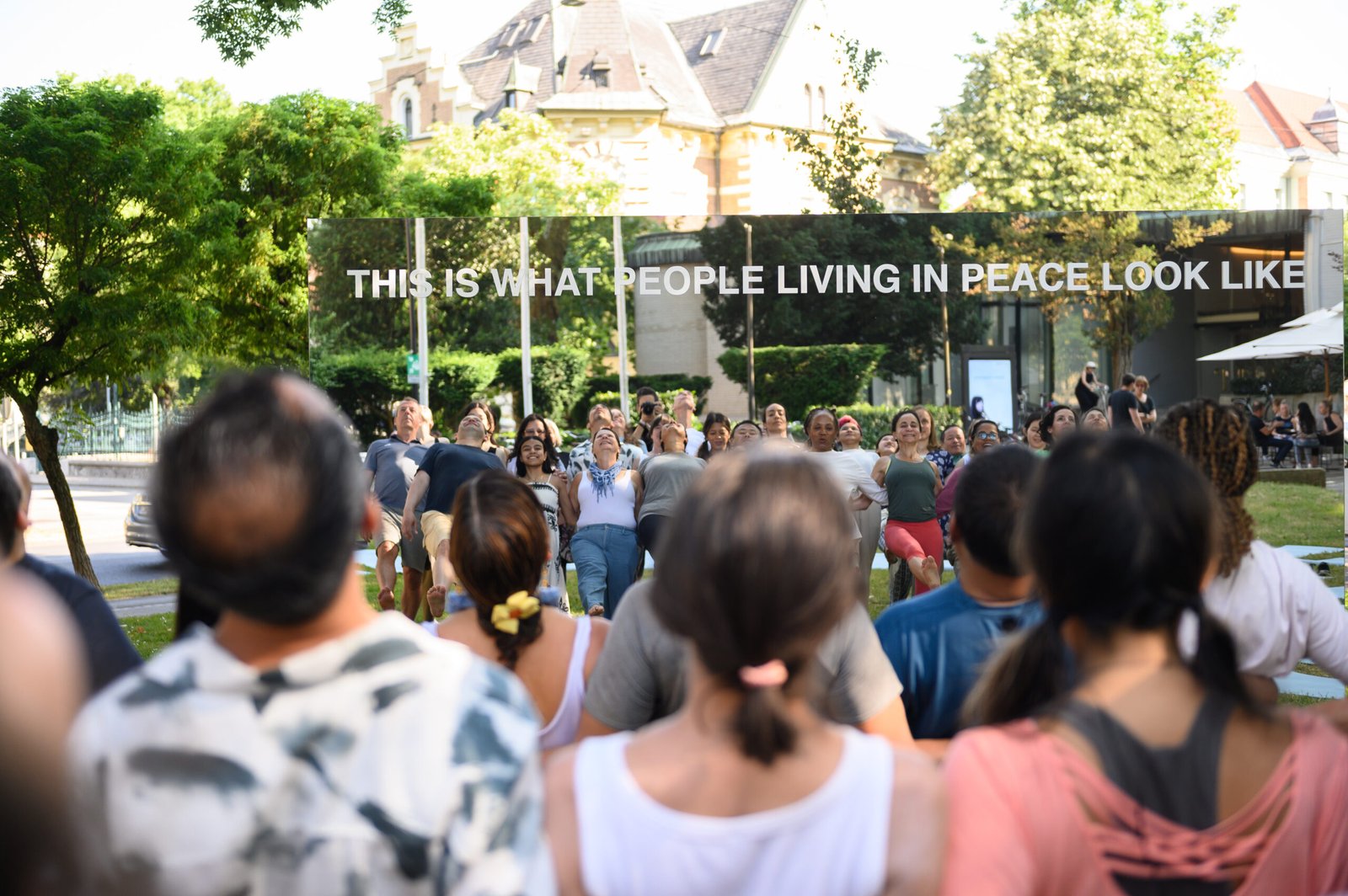
    THE MIRROR OF PEACE – RENEE VAN BAVEL

    Based in Berlin, Dutch artist Renee van Bavel, creates timely work asking the urgent questions: What does peace look like? And how can we protect it?  Her reflective wall, THE MIRROR OF PEACE is a spatial monument that invites the viewer to have a personal experience with peace.  While looking at their reflection, viewers read: “This is what people living in peace look like.”  A life lived in peace cannot be taken for granted, and we must act consciously, every day, to preserve it.  

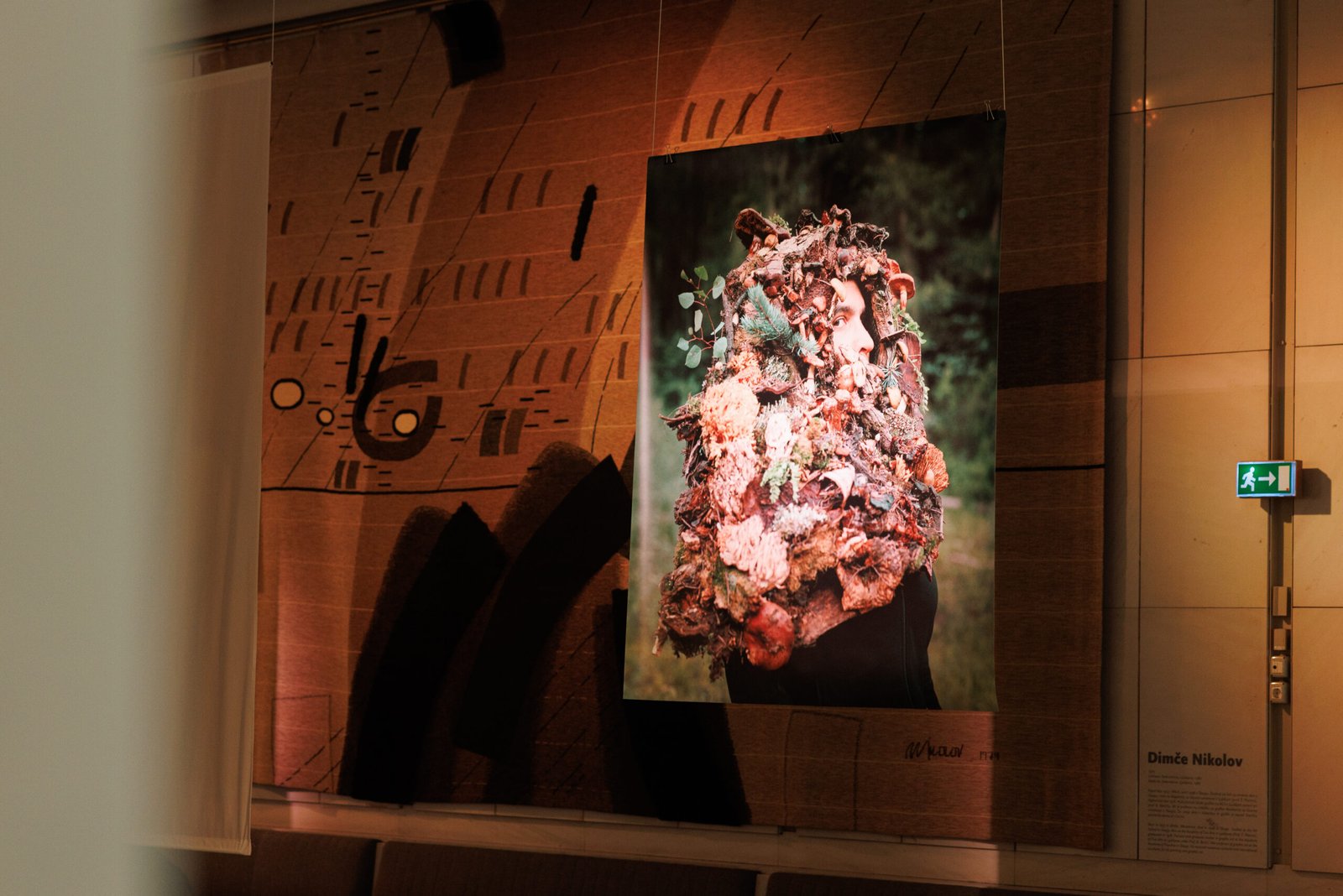
    EYES AS BIG AS PLATES – KAROLINE HJORTH & RIITTA IKONEN

    Karoline Hjorth and Riitta Ikonen are a Norwegian-Finnish artist duo.

    Their twelve-year-long collaboration, Eyes as Big as Plates, captures individuals actively involved or impacted by the effects of today’s era of mass extinction. Through photography, wearable sculpture, action research, and activism, the artists call for a collective and synchronised environmental stewardship.

    Living Systems Learning from Living Systems:

    Nathalia Manso on Regenerative Learning

    In the Atlantic Forest of Rio de Janeiro, Nathalia Manso is weaving something essential: connections between inner transformation and systemic change, between ancient wisdom and contemporary leadership, between humans and the living world. 

    As an Ecotuner and Regenerative Learning Facilitator and member of our Ecological Belonging Network, Nathalia creates immersive experiences that invite us to remember what modernity has taught us to forget—that we are not separate from nature, but expressions of it. Through practices drawn from Deep Ecology, Ecopsychology, and ancestral wisdom, she guides leaders and changemakers toward a regenerative mindset, one that honors sensitivity, grief, wonder, and our fundamental belonging to Earth’s living pulse.

    What is the heart of your work, and what inspired you to begin it?

    Nathalia Manso: “The heart of my work lies in remembering our true nature—that we are part of a greater intelligence—so we can regenerate our ways of being, thinking, and acting within a living world. I create bridges between inner transformation and systemic change for leaders, changemakers, and teams.

    What brought me to this path was realizing that the root of the many problems we face is a profound crisis of disconnection and a belief in separation. The symptoms we see—ecological, social, spiritual—all emerge from this same place.

    My work seeks to transform the mechanistic, fragmented worldview into a regenerative mindset. By integrating what has been separated—mind and body, reason and emotion—and using nature as our teacher, we cultivate capacities that allow us to find creative, resilient responses to the challenges of the metacrisis.”

    Nathalia’s work is rooted in the landscapes of Brazil, particularly the Atlantic Forest, the biome that has shaped her sensibility since childhood. This connection to place runs deep through everything she creates, drawing from Brazil’s relational and cultural richness, a country woven from many ancestries, contradictions, and possibilities of coexistence.

    How does your work nurture a deeper sense of ecological belonging?

    NM:  “I seek to cultivate connectivity through experiential practices that deepen the relationship between our inner and outer nature. This often means creating spaces where people slow down enough to listen more deeply—to the land, to their bodies, and to their own intuition.

    Through embodied experiences like nature walks, collective rituals, and practices like Forest Bathing, participants begin to feel their interconnection rather than only think about it. I’ve witnessed again and again how a simple moment of awe or quietly observing a more-than-human being softens the boundary between self and world.

    At the core is the strengthening of relationships of reciprocity, reverence, and wholeness with the living Earth. When we understand that the notion of a separate individual is an illusion, we awaken our ecological self. This shift transforms how we lead, learn, and re-imagine organizations.”

    Can you share a moment or challenge that brought this to life?

    NM:  “There isn’t a single story, but a pattern I’ve witnessed many times: people arrive feeling tired, anxious, or disconnected, and then something subtle begins to shift. It shows up in softened eyes and deeper breaths, in silent tears or laughter returning. This might happen while sitting quietly with a tree or sharing a story in a circle.

    What often follows is a visible change in how they relate, with more gentleness, curiosity, and care. These small awakenings ripple outward, strengthening relationships and inspiring a renewed sense of purpose and participation in life.”

    The heart of Nathalia’s work lies in a simple yet profound recognition: The ecological, social, and spiritual symptoms we see in the world all emerge from this same place—a forgetting of our fundamental nature as participants in a living system. This understanding led Nathalia to study Regeneration, Ecopsychology, Deep Ecology, and ancestral wisdom traditions that remind us of who we truly are. With nature as teacher, she helps people learn from living systems to reframe how we see ourselves, our relationships, and our actions in the world.

    What is the most critical lesson you have learned that should be shared?

    NM:  “I have been reflecting deeply on the importance of having safe collective spaces to honor our pain and grief. A profound learning on this regenerative path is recognizing that death is an intrinsic part of life’s process of renewal. This means learning to process the pain that moves through us collectively, and to compost what must be left behind so that new ways of being can emerge.

    Healing the wounds of separation may be our greatest collective challenge, and for that, we need community.

    Ultimately, the most important lesson has been recognizing that we don’t need to save, solve, or fix the world. We are simply participants in, and expressions of, a living system in the ongoing process of transmutation. This frees us from the heroic narrative and gives us the humility of those who are part of something much greater.”

    What small, first step would you encourage others to take in their own community?

    NM: “A simple first step is to begin noticing the place where you live with new eyes. Start building a relationship with your surroundings as if they were part of your extended community.

    Practices of attention, presence, and deep listening—like Sit Spot (regularly sitting in the same place outdoors)—help resensitize our senses. Forest Bathing invites us to slow down and perceive the forest and its beings as teachers.

    Above all, ecological belonging is about allowing ourselves to feel. Reclaiming sensitivity is revolutionary—it reconnects us with both beauty and grief, reminding us that to belong is simply to be in relationship.”

    Connect with Nathalia:

    You can find Nathalia on LinkedIn and Instagram, or reach out directly by email. She’s always open to connecting with kindred spirits, synergistic projects, and initiatives that align with regenerative and relational ways of working.

    Investing in Wellbeing Investing in Wellbeing:

    A Core Strategy for Lasting Impact in Philanthropy

    Guest Post By

    The resilience and impact of the nonprofit sector hinge on the wellness of its people.

    Once seen as a peripheral concern, wellbeing is now central to philanthropy—especially amid declining funding, shrinking civic space, and rising social and climate pressures. Even more, research shows that prioritising wellbeing has immense social, psychological and economic returns, including up to $11.7 trillion in global economic value, higher retention, improved productivity and a more resilient and adaptive workforce capable of navigating complex change.

    At Laudes Foundation, we did not come to this conclusion alone. Our growing commitment to wellbeing was shaped by listening to philanthropic peers and especially our partners. This prompted us to pilot targeted initiatives aimed at strengthening wellbeing—and in doing so, to also reflect on our own internal culture and practices. We are learning alongside our partners and still have a long way to go.

    This article explores three key insights drawn from that experience, and from emerging research, to offer a roadmap for how funders can more intentionally support nonprofit resilience through wellbeing.

    1. Challenging Perfectionism and Efficiency as Dominant Values

    In philanthropy, the pressure to demonstrate impact can lead to an overemphasis on delivering programmatic efficiency and perfection. While these values are often seen as benchmarks of success, they can unintentionally create unattainable standards that nonprofits feel pressured to meet.

    When grant-making culture skews towards a “maximum output” mentality, burnout can become more than a risk—it can become systemic. Historian Jill Lepore’s work underscores this issue, framing burnout as not only a consequence of modern workplace demands but as a “badge of success” within performance-driven environments. In the nonprofit sector, the damage is compounded by the emotional burden of mission-driven work, often leading to moral distress—the gap between what one aspires to do and what limited resources make possible.

    To shift this and embrace flexibility and care in how we fund, funders must examine their own expectations. Are we applying pressure through rigid KPIs, unrealistic timelines, or inflexible reporting demands? Are we inadvertently valuing deliverables over the people delivering them?

    2. Philanthropy Should Fund Nonprofits to Win, Not Just Survive

    A primary barrier to achieving nonprofit resilience lies in funders’ tendency toward transactional rather than transformational funding. This can manifest as rigid grant structures, burdensome reporting, or inflexible budgeting. Ultimately, this has created an internalised culture of scarcity among the nonprofit sector, where results, programmatic growth, and scale are prioritised often at the expense of the very individuals driving the work.

    We must recognise that nonprofits are not all the same, and thus a culture of scarcity is also an issue of equity. They vary by size, geography, sector, and the lived experiences of their leadership and staff—all of which intersect to shape their access to power, funding, and influence. Smaller organisations—especially those led by women, youth, or people from marginalised communities—are often more deeply affected by power imbalances, underfunded operational costs, and donor-imposed constraints.

    To be genuinely effective, best practice shows funders must move beyond “project funding” and instead provide multi-year, flexible grants that cover core costs, fair wages, staff retention, and leadership development, among others. It’s about investing in both what an organisation does and who it is. When nonprofits can budget for the time and wellbeing of their people—not just their outputs—they can build stronger, more adaptive teams and a culture of care that allows innovation and resilience to flourish.

    3. What We Learned from Funding Wellbeing Initiatives

    Supporting wellbeing initiatives as a funder sends a powerful message: we see the people behind the work and we care about their health, as well as the organisations’ broader culture and sustainability.

    Our wellbeing support came from listening to what partners needed to thrive and thus connecting the benefits of wellbeing to our strategic goals. This became the starting point of our Wellbeing Pilot, which offered partners EUR 10,000 stipends alongside tailored advisory support from experts in mental health and psychological support to design and implement culturally relevant wellbeing initiatives over the course of one year.

    The initiatives that emerged were as diverse as our partners—ranging from mental health support and team building exercises to improved workspaces, coaching, and activities to alleviate financial stress. While these grants were too modest in size to deeply transform organisations, they proved catalytic. For many partners, it was the first time they had engaged their boards, leadership, or teams in open conversations about wellbeing, and thus helped to normalise a topic that has long remained hidden behind mission-driven urgency.

    As one partner noted, “I’ve never had a wellbeing budget from a funder before… the fact that we’ve got it means we can have discussions with the team about what to do with it. In the grand scheme of things, the amount of money we got isn’t much, but it’s a massive boost to the organisation and the team. It’s so forward-thinking, and I wish other funders did it too.”

    Through this journey we learned that:

    Wellbeing Is Context-Specific—and Should Be:

    Partners defined wellbeing in diverse ways, from mental health and stress management to team cohesion, leadership development, and organisational clarity. This reflected differences in team size, sector and geography, and reinforced the need for flexible support – rather than one-size-fits-all solutions – to ensure relevance and respect.

    Leadership Buy-In Is Crucial:

    Where leaders championed wellbeing, teams were more engaged, and initiatives took deeper root. Where buy-in was limited, progress stalled or felt surface-level. This reminded us that wellbeing cannot be siloed but rather modelled from the top and embedded into leadership behaviour and organisational values.

    Cultural Grounding of Wellbeing Is as Important as Financial Support:

    Despite the support provided many partners faced hurdles, such as staff seeing wellbeing as “extra work,” unclear priorities, or lack of time. These barriers showed that wellbeing is not just a new initiative—it often requires a shift in organisational culture. Partners who succeeded made time for open dialogue, addressed team hesitations, and aligned wellbeing with mission and strategy.

    Organisational Development (OD) and Wellbeing Are Deeply Connected:

    Some partners used the funding to strengthen internal systems or strategy, while others prioritised team care. Rather than separate domains, we found OD and wellbeing reinforce one another: well-run organisations are more likely to sustain wellbeing, and wellbeing, in turn, strengthens team performance and cohesion.

    Sustaining Wellbeing Requires Creativity and Continued Ecosystem Support:

    Many partners are exploring ways to sustain wellbeing—such as budgeting a portion of grants toward it or integrating it into team planning. But not all have the same capacity or external support to do so. Partners flagged the need for additional non-financial support through peer learning, access to trusted consultants, and shared tools or case studies. These ecosystem-level investments can help ensure that wellbeing is not a one-off intervention but a long-term practice.

    Reinforcing Philanthropy as a Force for Wellbeing

    Ultimately, this pilot showed us that we can not build impact on the back of a burned-out workforce. Prioritising wellbeing is not a distraction from outcomes—it is how we unlock them.

    It is time for philanthropy to prioritise people over outputs, actively funding, offering technical support and normalising conversations about wellbeing with partners. At Laudes, we are trying to walk this talk—not just externally with partners, but also internally reviewing policies and practices to ensure that wellbeing is embedded into our own culture and operations. 

    Disrupting perfectionism, scarcity mindsets, and transactional relationships is not easy, but it is necessary to build a sector that is not only more effective, but also more humane, just, and resilient. We hope these lessons encourage others to invest in people, organisations and the ecosystem not as a trend, but as a core pillar of how we build a healthier, more just philanthropic sector.

    Sources:

    1. Thriving workplaces: How employers can improve productivity and change lives, McKinsey Health Institute and World Economic Forum, 2025.

    2. Partners shared wellbeing was a growing area of support during the 2022 Partner Perception Report, which was reinforced during direct conversations and the 2023 Partner Retreat.

    3. Burnout: Modern Affliction or Human Condition?, The New Yorker, 2021.

    4. The Psychology of Burnout within International Development, Journal of Occupational Health Psychology, 2023.

    5. Breaking the Starvation Cycle, Humentum, 2022.

    6. Project Grants Still Need Not Be the Enemy: An Equity-Oriented Update One Year Later, Centre for Effective Philanthropy, 2022.

    7. To Ensure Nonprofit Well-Being, Invest in Wages, Workload, and Working Conditions, Centre for Effective Philanthropy, 2024.

    Marlene Ogawa

    Synergos

    Marlene is based in Johannesburg, South Africa, where she works with cross- and multi-sectoral leaders on the Bridging Leadership project, building collaborative and purpose-driven servant leadership principles. Her work centers on relational leadership and social connectedness, emphasizing personal change, common purpose, and collaborative action.

    Marlene partners with clients to design and facilitate processes around compassionate leadership and foster effective intercultural diversity, equity, and inclusion (ICDEI) environments. She designs strategic development processes, leads courses, and consults on and facilitates various ICDEI and organizational development initiatives around themes like race, gender, and social transformation. Marlene’s approach encourages impactful dialogue spaces and focuses on building the capacity of leaders to hold space, lead teams, and model the institution’s vision. She is the author of several publications, including the book, Thriving Women, Thriving World: An Invitation to Dialogue, Healing and Inspired Actions.

    Marlene has a degree from the University of Johannesburg and various certificates in project management and ICT. Her experience working with decision makers across diverse sectors, including philanthropy, children/youth services, academia, local governance, and the broader business and development sector, has enriched her work, equipping her with tools from cutting-edge methodologies, including World Café, Open Space Technology, and Appreciative Inquiry.
    Connect with Dr. Phuntsog on social media: 

    Connect with Shang Shung Institute School of Tibetan Medicine on social media:

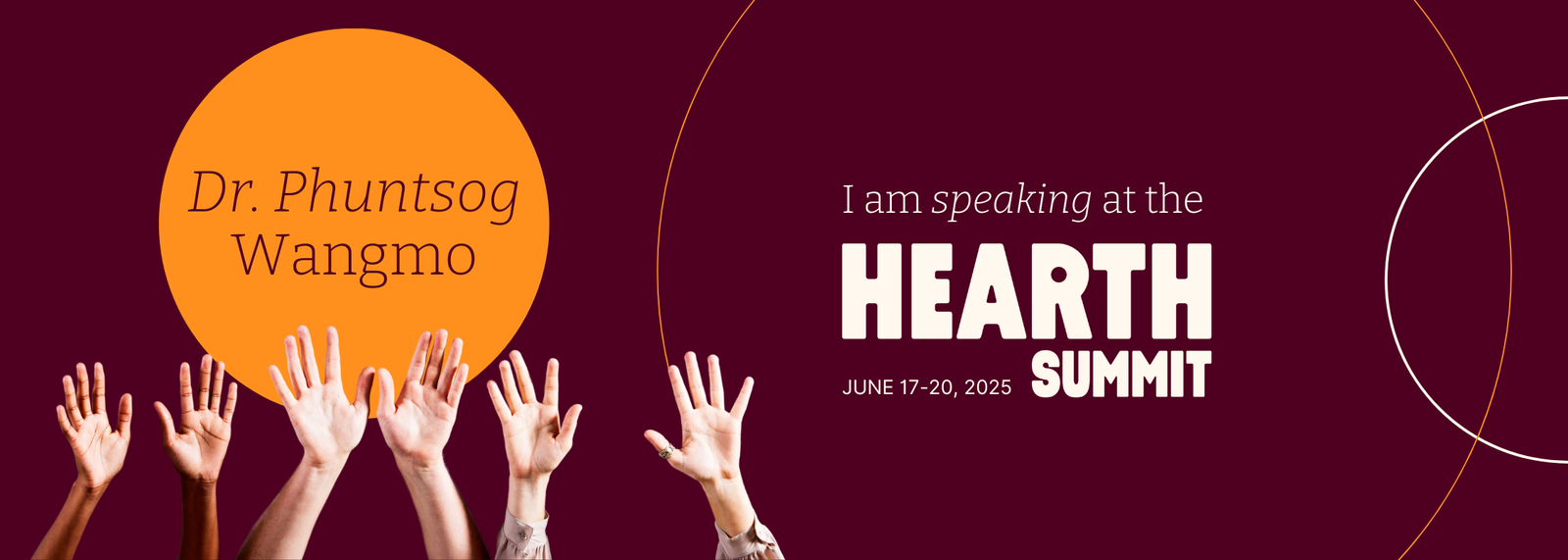
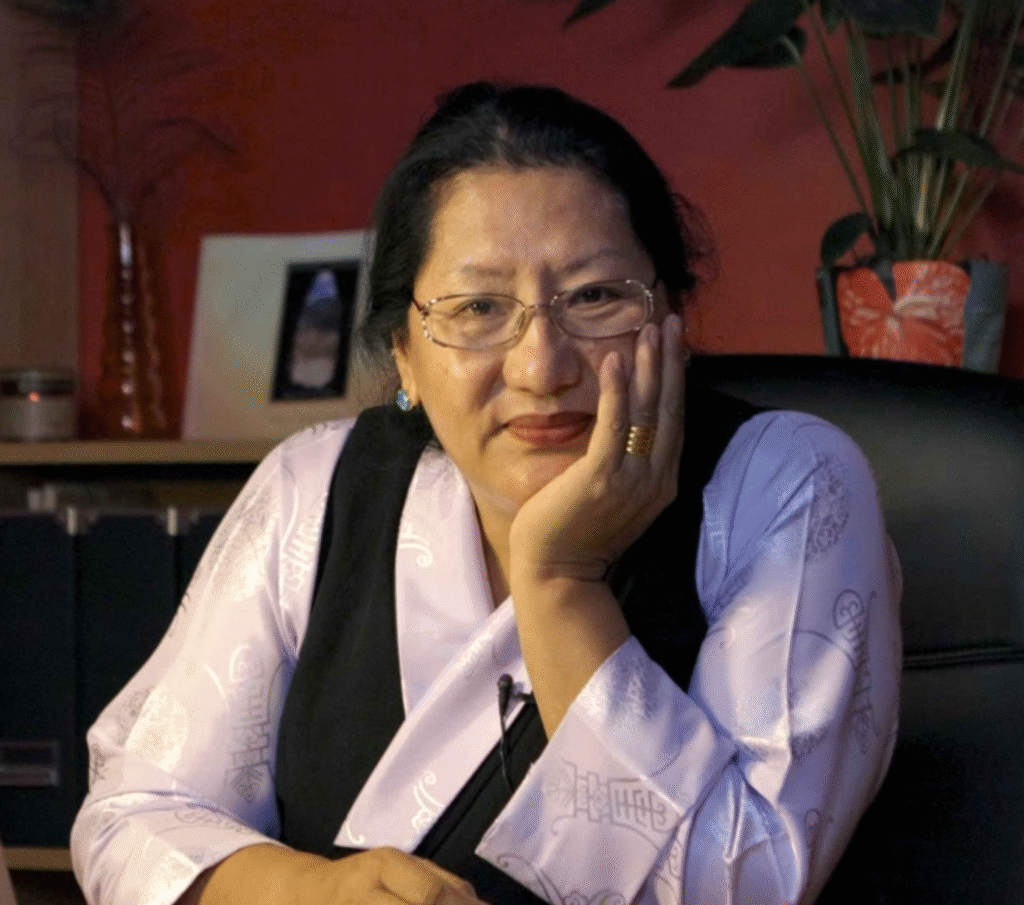
    Dr. Phuntsog Wangmo

    Shang Shung Institute School of Tibetan Medicine

    International Director, Shang Shung School of Tibetan Medicine Khewang (Tibetan for Honored Scholar) Phuntsog Wangmo (Ping Cuowangmu) received her advanced degree from the Lhasa University School of Traditional Medicine in 1988 after completing her five-year training program and two-year residency. During that time, she studied with the Khenpos Troru Tsenam and Gyaltsen, two of Tibet’s foremost Tibetan Medicine doctors. Dr. Phuntsog Wangmo had the exceptional opportunity of extensive clinical training under Khenpo Troru Tsenam for four years. Thereafter, she dedicated many years of work as a doctor of Tibetan Medicine in Eastern Tibet, where she collaborated with and directed the implementation of A.S.I.A., the non-profit organization founded by Professor Namkhai Norbu. After that, she worked on behalf of A.S.I.A., setting up hospitals and training centers in the remote regions of Sichuan Province and Chamdo Prefecture. From 1997 to 2000, she was the A.S.I.A. project coordinator in Tibet for the development of Gamthog Hospital in collaboration with expatriate personnel as well as the overall health coordinator and practitioner of traditional Tibetan medicine, supervising health activities throughout the surrounding region of Chamdo Prefecture. In 2007, she co-founded the American Tibetan Medical Association (ATMA), a national organization representing the Tibetan medical profession within the United States. Its mission is to preserve, protect, improve, and promote the philosophy, knowledge, science, and practice of Tibetan medicine for the benefit of humanity. In 2012, Dr. Phuntsog Wagmo was appointed the International Director of the School of Tibetan Medicine She is currently in residence at the Shang Shung Institute of America, the international seat of the School of Tibetan Medicine, where she continues in her leadership as Director and International Director of the Institute’s national and international programs in the U.S.A., Russia, and Tenerife, Spain.