The Wellbeing Project


Failure is a part of life, especially for those working on complex issues for social change. Yet, very few people talk about failure, the deep impact it has on individuals as well as those around them, and the life lessons that come from failing.
To break this silence, The Wellbeing Project is partnering with India Development Review (IDR).
The partnership with IDR will bring forth stories at the intersection of failure and well-being through IDR’s Failure Files, a multimedia initiative that seeks to normalise conversations around failure in the pursuit of social change.
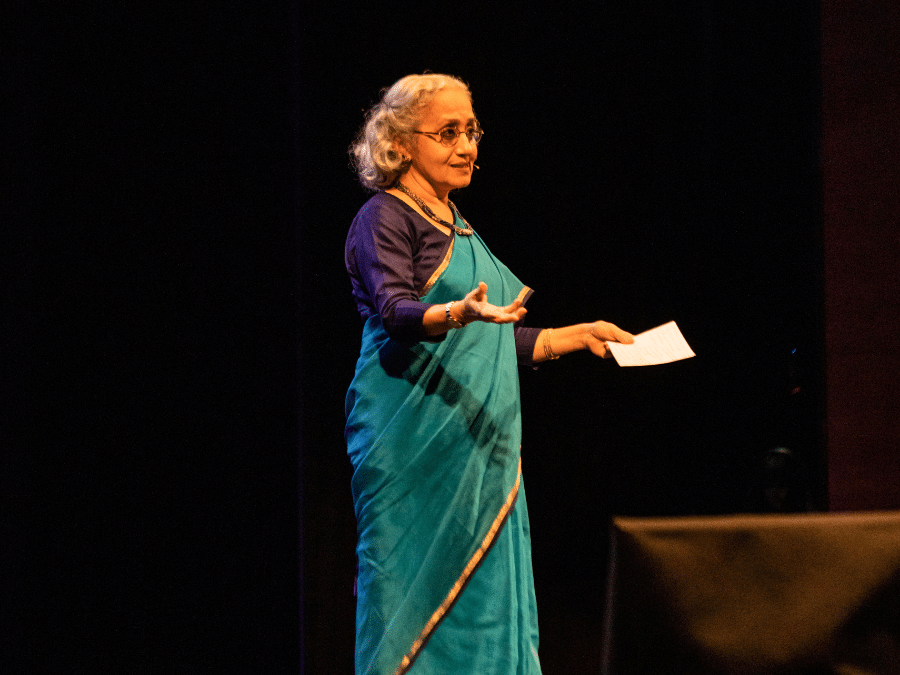
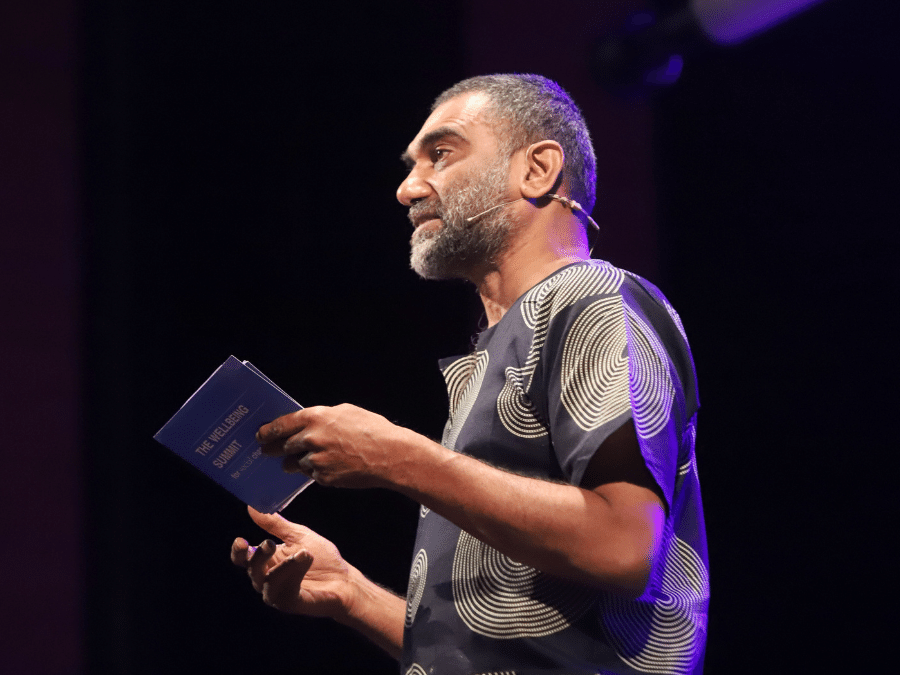
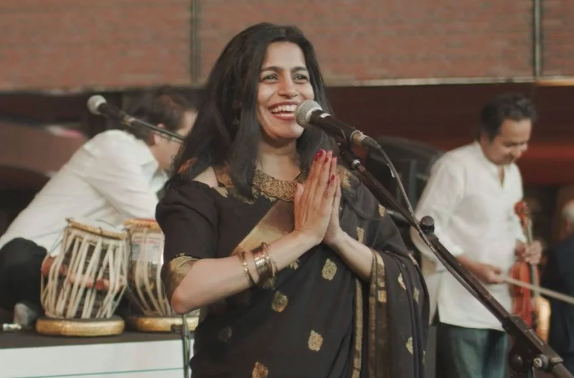
We invite you to tune into the Failure Files podcast, to hear the inspiring stories of people who have failed forward. Listen to social entrepreneurs, a Dalit rights activist, and an Olympic gold medallist tell us about their failures, how it impacted both individual and collective well-being, and what the road to recovery and resilience looks like.
Having a dream is not enough | Vishal Talreja, Suchetha Bhat
In Part I of this conversation with IDR, Dream a Dream’s co-founder Vishal Talreja and CEO Suchetha Bhat share the story of the organisation’s implosion, Vishal’s burnout, and how owning up to failure was the first step in figuring out the way to build back up.
The road to recovery | Suchetha Bhat, Vishal Talreja
In Part II of this conversation, Dream a Dream CEO Suchetha Bhat and co-founder Vishal Talreja talk about what it took to rebuild an organisation in crisis, and how that led to discovering a new kind of leadership—one that the world needs more of.
Preparing for a marathon, not a sprint | Thenmozhi Soundararajan
What does self-care mean for those who are fighting systems of oppression and discrimination that are set up against them? On this episode, Thenmozhi Soundararajan, founder and executive director of Equality Labs, a Dalit civil rights organisation, talks about how systems of oppression affect well-being, what healing looks like for individuals and communities, and why failure is an opportunity to build power.
India Development Review (IDR) is Asia’s largest online media platform covering social change. IDR publishes cutting-edge ideas, lessons and insights, written by and for the people working on some of India’s toughest problems.
FOLLOW IDR ON SOCIAL MEDIA :
Location: Bizkaia Aretoa – Sala Chillida
Dates: May 31 – 15:00-19:00
June 1 and 2 – 11:00-19:00
June 3 – 8:30-15:00
Researchers have grappled with the inner workings of the human mind – from mapping billions of neurons to trying to understand the intangible expressions of thought and consciousness. We have experimented on the human brain with drugs, hypnosis, genetic techniques and more. The mind plays its own tricks through optical illusions, déjà vu, delusions and hallucinations. Combined with the imagination and hormones these manifest in intriguing behaviours.
Neuroscientists, chemists, doctors, psychologists, philosophers, mathematicians, systems analysts – each take us a few steps closer to unravelling the enigma of the psyche. It is worth noting that much of laboratory research to understand the human mind, in fact, is carried out on other living beings who exhibit degrees of decision making, planning and emotion.
The mind is inextricably implicated in our perception of the world and our experience of it. Our actions, informed by this perception, continue to shape the world. Our thoughts and emotions likely create a sense of wellbeing or a lack of it, yet we do not fully understand the biological or psychological or social underpinnings of our intellectual being.
The future of the mind could be stranger than fiction – weaponizing of emotions, extra sensory perception, prediction of criminal behaviours or the wiping out of traumatic memories – nothing, it seems, is impossible. Even machines need not be exempt – as we continue to replicate the human mind in-silico – from thinking or experiencing emotions in a manner similar to humans.
Los investigadores se han enfrentado al funcionamiento interno de la mente humana, desde el mapeo de miles de millones de neuronas hasta el intento de comprender las expresiones intangibles del pensamiento y la conciencia. Se ha experimentado con el cerebro humano mediante fármacos, hipnosis, técnicas genéticas y mucho más. La mente juega sus propios trucos mediante ilusiones ópticas, déjà vu, delirios y alucinaciones. Combinadas con la imaginación y las hormonas, se manifiestan en comportamientos intrigantes.
Neurocientíficos, químicos, médicos, psicólogos, filósofos, matemáticos, analistas de sistemas… cada uno de ellos nos acerca un poco más a desentrañar el enigma de la psique. Cabe señalar que gran parte de la investigación de laboratorio para comprender la mente humana se lleva a cabo, de hecho, en otros seres vivos que muestran grados de toma de decisiones, planificación y emoción.
La mente está inextricablemente implicada en nuestra percepción del mundo y nuestra experiencia de él. Nuestras acciones, informadas por esta percepción, siguen dando forma al mundo. Nuestros pensamientos y emociones probablemente crean una sensación de bienestar o de falta de él, pero no comprendemos del todo los fundamentos biológicos, psicológicos o sociales de nuestro ser intelectual.
El futuro de la mente podría ser más extraño que la ficción: el armamento de las emociones, la percepción extrasensorial, la predicción de comportamientos delictivos o la eliminación de recuerdos traumáticos… parece que nada es imposible. Incluso las máquinas no tienen por qué estar exentas -mientras seguimos replicando la mente humana in-silico- de pensar o experimentar emociones de forma similar a los humanos.
Location: Deusto – Salón de Grados
Date: May 31st – June 3rd
Time: May 31st: 6pm – 9.30pm
June 1st, 2nd: 10am – 2.30 pm + 5pm – 7pm
June 3rd: 10am – 2.30 pm
As you enter the exhibition space, you may sit or stand and just listen to the mix of voices emanating from an array of 24 speakers or ‘sing’ along and improvise to the recordings live in the space. If you would like to participate even more by adding your own voice to the recording please let the attendant know and you will be directed to the microphones in the recording area. During the Wellbeing Summit our sound engineer will be working on-site to record the new voices which will then be added to this continually changing and expanding artwork.
Al entrar al espacio de la exposición, podrá sentarse o permanecer de pie y limitarse a escuchar la mezcla de voces que emana desde un conjunto de 24 altavoces o “cantar” e improvisar con las grabaciones en directo en el espacio. Si desea participar aún más añadiendo su propia voz a la grabación, hágaselo saber al asistente y se le dirigirá a los micrófonos de la zona de grabación. Durante el evento, nuestro ingeniero de sonido trabajará in situ para grabar las nuevas voces que se añadirán a esta obra de arte en continuo cambio y expansión.
Valerie Gaudreault Guilbert
LETS REACH OUT
In response to COVID-19, The Wellbeing Project, in collaboration with Amplifier Art launched a campaign with top art curators and public-health advisors from around the world, looking for symbols that promote mental health, wellbeing and social change work in this new age.
“During these stressful times, loneliness can be hard for a lot of people and staying home often means feeling isolated. To break this cycle and protect our wellbeing, contacting a family member, a friend or a mental health professional can help us go through this. Let’s reach out.”

bonnie browN
APART YET CLOSER THAN EVER
In response to COVID-19, The Wellbeing Project, in collaboration with Amplifier Art launched a campaign with top art curators and public-health advisors from around the world, looking for symbols that promote mental health, wellbeing and social change work in this new age.
“Heading into our sixth week of lockdown in New Zealand I’ve been feeling physically distant from those around me, yet closer than ever mentally. From waving to my neighbours from my balcony, to catching up with childhood friends. When we leave lockdown it’ll be with a new sense of community, hope and optimism.”

Bee Harris
FIND YOUR PEACE
In response to COVID-19, The Wellbeing Project, in collaboration with Amplifier Art launched a campaign with top art curators and public-health advisors from around the world, looking for symbols that promote mental health, wellbeing and social change work in this new age.
“This moment in time has heightened the anxieties of many people around the world. Now more than ever, it’s important that we look inward and focus on the things that bring us joy and peace.”
See more from Bee here

Chris Andri Lourens
THINK HAPPY THOUGHTS
In response to COVID-19, The Wellbeing Project, in collaboration with Amplifier Art launched a campaign with top art curators and public-health advisors from around the world, looking for symbols that promote mental health, wellbeing and social change work in this new age.
“This artwork was created as an art piece to remind people to focus on the positive things. It also has a colouring book version which can be downloaded and coloured in for those who need some at-home entertainment.”
See more from Chris-Zandri here

natalia cardona puerta
SUPPORT SYSTEMS GO THE DISTANCE
In response to COVID-19, The Wellbeing Project, in collaboration with Amplifier Art launched a campaign with top art curators and public-health advisors from around the world, looking for symbols that promote mental health, wellbeing and social change work in this new age.
“Even though social distancing has pulled us physically apart, the emotional bonds that we share with our loved ones are still intact and our support system will always be there to help, no matter what. In the meantime, let’s gather in a telepathic embrace, let’s hear our voices over the phone, and let’s read our words of joy & concern through letters. We will hug, and look at each other in the eyes again, and when that day comes, our connection will be stronger than ever.”
See more from Natalia here

Lisa Vollrath
SPREAD COMPASSION
In response to COVID-19, The Wellbeing Project, in collaboration with Amplifier Art launched a campaign with top art curators and public-health advisors from around the world, looking for symbols that promote mental health, wellbeing and social change work in this new age.
“I see nerves getting frayed, from all the staying home, and little inconveniences of our new day to day life. I always try to remember to spread a little laughter when I go out, even if I’m not feeling particularly happy. The world isn’t all about me, and it’s good to have a little compassion for the folks around us right now.”
See more from Lisa here

Danica Ricciardi
TAKE CARE
In response to COVID-19, The Wellbeing Project, in collaboration with Amplifier Art launched a campaign with top art curators and public-health advisors from around the world, looking for symbols that promote mental health, wellbeing and social change work in this new age.
“Protect each other and be kind!”

lindsay-bonavolonta
MENTAL HEALTH
In response to COVID-19, The Wellbeing Project, in collaboration with Amplifier Art launched a campaign with top art curators and public-health advisors from around the world, looking for symbols that promote mental health, wellbeing and social change work in this new age.
“I, like all essential workers, have recently been given an important task; to be the face of resilience during this pandemic. However, while we spend much of our time helping others it can be easy to forget about our own mental health needs as we navigate this new normal.”
See more from Lindsay here

Kahfi Azhary
STAY HEALTHY STAY STRONG
In response to COVID-19, The Wellbeing Project, in collaboration with Amplifier Art launched a campaign with top art curators and public-health advisors from around the world, looking for symbols that promote mental health, wellbeing and social change work in this new age.
This poster has a message for all citizens of the world to remain healthy and strong in the fight against the plague covid19. stay safe, stay home, stay healthy, stay strong.

CAM WATTS
COVID COMPASSION
In response to COVID-19, The Wellbeing Project, in collaboration with Amplifier Art launched a campaign with top art curators and public-health advisors from around the world, looking for symbols that promote mental health, wellbeing and social change work in this new age.
We can’t offer each other our hands, but we can cultivate our compassion garden and be there for each other in other ways during these trialing times. Compassion for the sick, the fearful, the jobless, the old, the young, and the alone. We are all being challenged in different ways right now and compassion for each other is of the utmost importance.

LISA SALDIVAR
KINDNESS NOT CANCELLED
In response to COVID-19, The Wellbeing Project, in collaboration with Amplifier Art launched a campaign with top art curators and public-health advisors from around the world, looking for symbols that promote mental health, wellbeing and social change work in this new age.
A demonstration of kindness from communities around the world shown to inspire a contagion of kindness in these difficult times.

RAUL GUTIERREZ
STAY MINDFUL
In response to COVID-19, The Wellbeing Project, in collaboration with Amplifier Art launched a campaign with top art curators and public-health advisors from around the world, looking for symbols that promote mental health, wellbeing and social change work in this new age.
In the current Covid-19 crisis thinking on the future just makes me experience much anxiety. As I currently see things, there’s no point to think about the future when a storm of uncertainty surrounds us and our lives are on hold. I think it’s time for us to stay mindful, concentrating on the present moment and tackle everyday problems in the calmest way possible. If our mind is overloaded, our capacity response will stay low which won’t allow us to progress. I suggest practicing yoga and meditation as a powerful tool to stay calm and coherent.

ELIZA WOLFSON
STAY IN TOUCH
In response to COVID-19, The Wellbeing Project, in collaboration with Amplifier Art launched a campaign with top art curators and public-health advisors from around the world, looking for symbols that promote mental health, wellbeing and social change work in this new age.
In the current Covid-19 crisis thinking on the future just makes me experience much anxiety. As I currently see things, there’s no point to think about the future when a storm of uncertainty surrounds us and our lives are on hold. I think it’s time for us to stay mindful, concentrating on the present moment and tackle everyday problems in the calmest way possible. If our mind is overloaded, our capacity response will stay low which won’t allow us to progress. I suggest practicing yoga and meditation as a powerful tool to stay calm and coherent.
See more from Raul here

GIANCARLO MANCUSO
HOPE
In response to COVID-19, The Wellbeing Project, in collaboration with Amplifier Art launched a campaign with top art curators and public-health advisors from around the world, looking for symbols that promote mental health, wellbeing and social change work in this new age.
This poster is a symbolic expression of Hope. The color yellow is known to be the colour of hope, and happiness. All the images illustrated are used to express hope, peace, love, and the fight against COVID-19. See more from Giancarlo here

KIMBERLY ASHBY
SELF CARE
In response to COVID-19, The Wellbeing Project, in collaboration with Amplifier Art launched a campaign with top art curators and public-health advisors from around the world, looking for symbols that promote mental health, wellbeing and social change work in this new age.
Kimberly Marie Ashby is a Black and Native American, queer, woman artist, activist, and doctoral candidate in counseling psychology. Kimberly creates hand-cut collages through an Afrofuturist lens, using found materials to reflect marginalized people’s ability to make marvels out of the scraps they are given. Kimberly created this hand-cut collage To express the importance of self-care, particularly for Black and Brown people in the US who are being disproportionately impacted by COVID-19.

SHIRIEN DAMRA
LET YOURSELF REST
In response to COVID-19, The Wellbeing Project, in collaboration with Amplifier Art launched a campaign with top art curators and public-health advisors from around the world, looking for symbols that promote mental health, wellbeing and social change work in this new age.
Capitalism tries to push the idea that we need to be productive. A lot of us feel like we need to constantly hustle and be on the grind to achieve our dreams. But giving yourself time to rest and take care of yourself is a gift that can empower you. It sounds counter-intuitive, but rest ultimately allows you to be in a stronger place to tackle whatever comes your way. But we are in a global pandemic right now. It’s necessary to rest and breathe and check in with yourself!
See more from Shirien here

YASH PRADHAN
THIS TOO SHALL PASS
In response to COVID-19, The Wellbeing Project, in collaboration with Amplifier Art launched a campaign with top art curators and public-health advisors from around the world, looking for symbols that promote mental health, wellbeing and social change work in this new age.
“Even if you’re isolated, you’ve to remind yourself you’re not alone in this. Staying home can be uninspiring, times passes slower but remember this too shall pass.”
See more from Yash here

DAMIEN CIFELLI
JUST REMEMBER TO BREATHE
In response to COVID-19, The Wellbeing Project, in collaboration with Amplifier Art launched a campaign with top art curators and public-health advisors from around the world, looking for symbols that promote mental health, wellbeing and social change work in this new age.
“My poster is one of a series of three original oil paintings. I used oil due to its association with portraits of important historical figures, adding gravity to the message in the poster. The idea is to insert the mask into attractive and aspirational images, representing the idea of wearing a mask as a positive thing. Each poster is based around the word breathe. Firstly – around the literal idea of being able to breathe freely by wearing a mask, secondly – allowing the planet the space to breathe by doing your part and thirdly – addressing the anxiety that comes with the unknown elements of the crisis.”

DAMIEN CIFELLI
LET THE PLANET BREATHE
In response to COVID-19, The Wellbeing Project, in collaboration with Amplifier Art launched a campaign with top art curators and public-health advisors from around the world, looking for symbols that promote mental health, wellbeing and social change work in this new age.
“My poster is one of a series of three original oil paintings. I used oil due to its association with portraits of important historical figures, adding gravity to the message in the poster. The idea is to insert the mask into attractive and aspirational images, representing the idea of wearing a mask as a positive thing. Each poster is based around the word breathe. Firstly – around the literal idea of being able to breathe freely by wearing a mask, secondly – allowing the planet the space to breathe by doing your part and thirdly – addressing the anxiety that comes with the unknown elements of the crisis.”

damien cifelli
BREATHE
In response to COVID-19, The Wellbeing Project, in collaboration with Amplifier Art launched a campaign with top art curators and public-health advisors from around the world, looking for symbols that promote mental health, wellbeing and social change work in this new age.
“My poster is one of a series of three original oil paintings. I used oil due to its association with portraits of important historical figures, adding gravity to the message in the poster. The idea is to insert the mask into attractive and aspirational images, representing the idea of wearing a mask as a positive thing. Each poster is based around the word breathe. Firstly – around the literal idea of being able to breathe freely by wearing a mask, secondly – allowing the planet the space to breathe by doing your part and thirdly – addressing the anxiety that comes with the unknown elements of the crisis.”

Skye Sturm
SPREAD LOVE
In response to COVID-19, The Wellbeing Project, in collaboration with Amplifier Art launched a campaign with top art curators and public-health advisors from around the world, looking for symbols that promote mental health, wellbeing and social change work in this new age.
“I created this artwork because I wanted to celebrate all of the acts of selflessness and kindness, both big and small, that we have seen during the pandemic. But I was also seeing so much hatred and blame. I wanted to remind people to withhold judgement, to remember that we are all in this together and that a little kindness goes a long way. Even wearing a mask and maintaining distance is an act of kindness and respect to those around us. I chose the rainbow and sunshine as a bright and positive backdrop to the message – the symbol of hope, of rays of sunlight which shine through in a dark storm. I hope this message can help people to stay positive, and that it encourages everyone to spread a little love in these difficult times.”

Varshini Ramakrishnan
GOOD DAYS NOT FAR AWAY
In response to COVID-19, The Wellbeing Project, in collaboration with Amplifier Art launched a campaign with top art curators and public-health advisors from around the world, looking for symbols that promote mental health, wellbeing and social change work in this new age.
“It’s time to manage the voice of the Media and take control of the voices inside our heads. The media content we’ve been consuming since Covid-19 has taken a toll on our thoughts and emotions. We feel the urge to stay up to date on the current happenings and tend to incline towards negativity. This artwork is inspired by vintage advertisements, portraying the importance of a mental cleanse. Visual media like advertisements, cinema etc, have always been part of our mental growth. I visualise the voice of media to be more positive and break stereotypes around mental illness.”

María toro
mind-aware world-awake
In response to COVID-19, The Wellbeing Project, in collaboration with Amplifier Art launched a campaign with top art curators and public-health advisors from around the world, looking for symbols that promote mental health, wellbeing and social change work in this new age.
“If we all connect our minds and stay aware, the world will wake up. MIND AWARE- WORLD AWAKE!”

VARSHINI RAMAKRISHNAN
MIND MEDIA POSITIVITY
In response to COVID-19, The Wellbeing Project, in collaboration with Amplifier Art launched a campaign with top art curators and public-health advisors from around the world, looking for symbols that promote mental health, wellbeing and social change work in this new age.
“It’s time to manage the voice of the Media and take control of the voices inside our heads. The media content we’ve been consuming since Covid-19 has taken a toll on our thoughts and emotions. We feel the urge to stay up to date on the current happenings and tend to incline towards negativity. This artwork is inspired by vintage advertisements, portraying the importance of a mental cleanse. Visual media like advertisements, cinema etc, have always been part of our mental growth. I visualise the voice of media to be more positive and break stereotypes around mental illness.”

ALEJANDRO VARELA
DON’T PANIC, BE RESILIENT
In response to COVID-19, The Wellbeing Project, in collaboration with Amplifier Art launched a campaign with top art curators and public-health advisors from around the world, looking for symbols that promote mental health, wellbeing and social change work in this new age.
“This work riffs off the famous phrase of the Indian spiritual master Meher Baba, “Don’t worry; Be happy,” later converted into song by Bobby McFerrin in 1988. Its concise message of positivity has at times been misunderstood as careless or passive, but simplicity is powerful and mantras like these continue to be used because they encourage us during challenging times. While its difficult to be happy in the face of this crisis and the uncertainty it brings, together we can withstand the curve, flatten it, and recover- not through worry or panic, but through collaboration as a world community. With this work, I want to express a simple message for all of us: to resist fear-mongering messages and to focus on our innate human resilience.”

PACO ESPINAR
HOPE HOME
In response to COVID-19, The Wellbeing Project, in collaboration with Amplifier Art launched a campaign with top art curators and public-health advisors from around the world, looking for symbols that promote mental health, wellbeing and social change work in this new age.

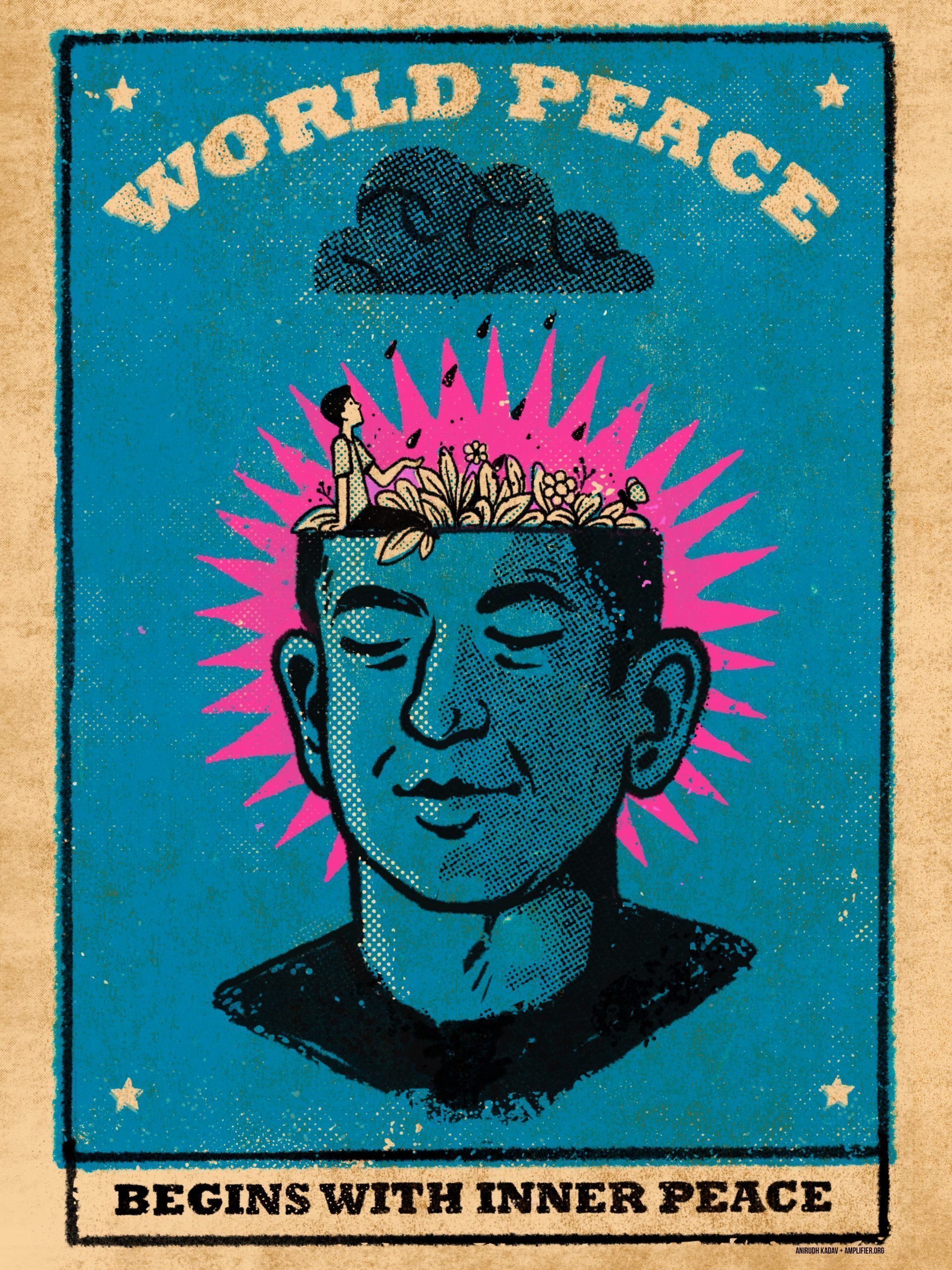
ANIRUDH KADAV
BREATHE
In response to COVID-19, The Wellbeing Project, in collaboration with Amplifier Art launched a campaign with top art curators and public-health advisors from around the world, looking for symbols that promote mental health, wellbeing and social change work in this new age.
“The nearer a man comes to a calm mind, the closer he is to strength’ In my opinion, mental health is the most overlooked aspect of human nature. Seldom we give it the attention it deserves. No amount of wealth guarantees ones well being and current global scenario is a reflection of the same. At the moment, when the world is facing a, what seems to be an immortal, enemy, no amount of wealth or militia is enough to fight it. In these times, when people are forced to be at home, take a step back and reflect. As much effort is being put in maintaining and enhancing physical strength, try and focus on your inner peace as well. What makes you happy? A question, to which most of us have an answer to, but rarely do we act on it. We have always been too pre occupied with things and troubles, which now do not seem to matter as much. So let’s take a deep breathe, and focus on what is more important – YOU. Be the change you wish to see in the world. World peace, begins at Inner peace. Stay Positive. Stay Home. Stay Safe”
RUCHITA ASHOK
PRAY FOR THE WORLD
In response to COVID-19, The Wellbeing Project, in collaboration with Amplifier Art launched a campaign with top art curators and public-health advisors from around the world, looking for symbols that promote mental health, wellbeing and social change work in this new age.
“The modern pandemic COVID-19 will define this era absolutely. No one who lives through will forget the pain that people are feeling now and will continue to feel for years to come. Meanwhile on the other hand this will define brotherhood, humanity, faith, strength, courage and kindness.There is always a light at the end of tunnel but while going through that darkness nobody knows if there is any, but it is the faith and hope and willpower that keeps us driving through hardships to reach the brighter side. Pray for our world, pray for all!”

RUE OLIVER
GATHER OUR POWERS
In response to COVID-19, The Wellbeing Project, in collaboration with Amplifier Art launched a campaign with top art curators and public-health advisors from around the world, looking for symbols that promote mental health, wellbeing and social change work in this new age.

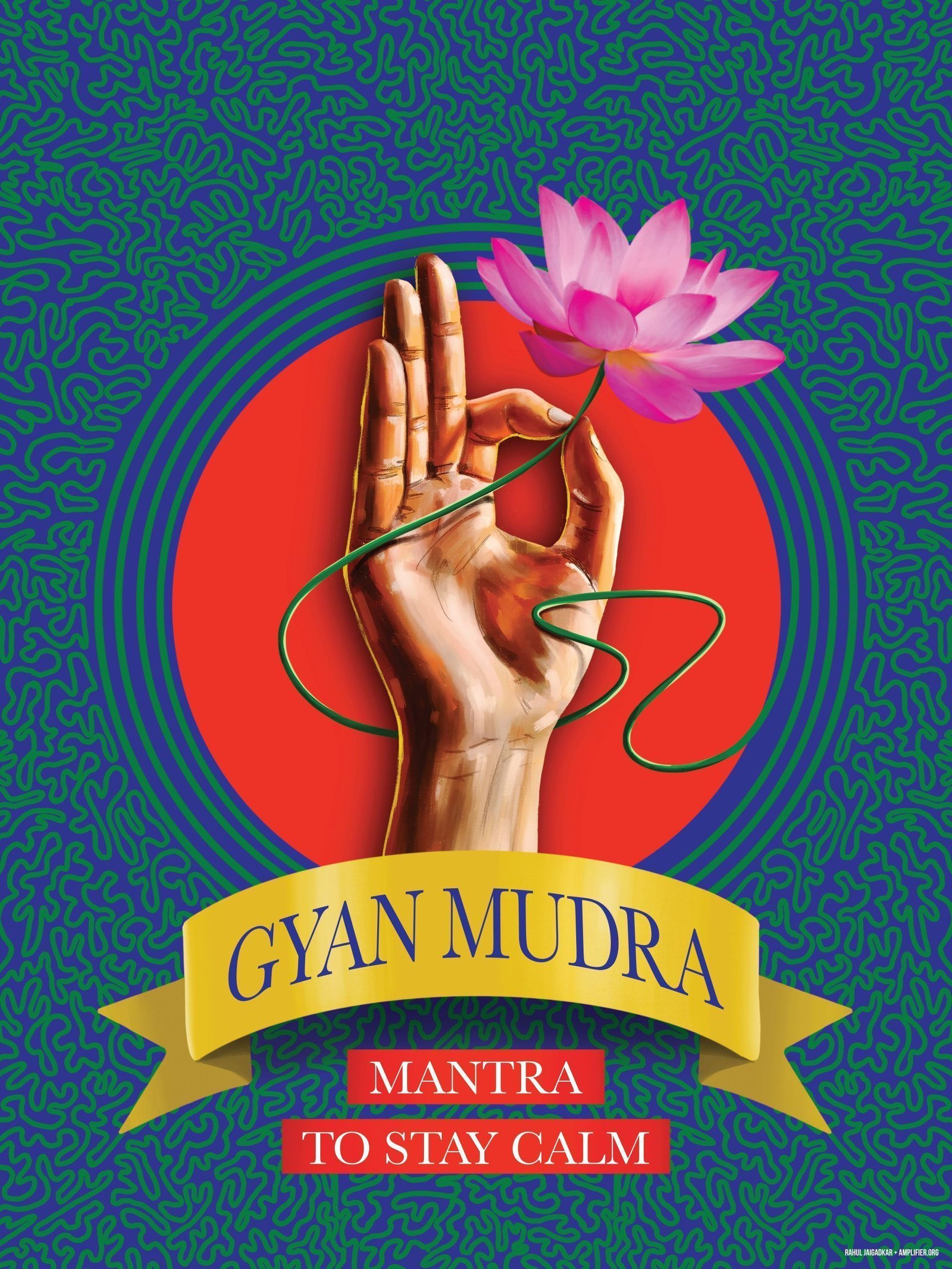
RAHUL JAIGADKAR
GYAN MUDRA
In response to COVID-19, The Wellbeing Project, in collaboration with Amplifier Art launched a campaign with top art curators and public-health advisors from around the world, looking for symbols that promote mental health, wellbeing and social change work in this new age
“Coping with the pandemic is getting harder and harder with each passing day. With so much of information freely available to read, our mind is filled with numerous thoughts such as the lotus surrounded by dirtiest water. As the lotus produces the most beautiful lotus flower from this dirty water, Gyan Mudra helps us to purify our thoughts.”
VINITHA BASKARAN
HOPE AND LOVE
In response to COVID-19, The Wellbeing Project, in collaboration with Amplifier Art launched a campaign with top art curators and public-health advisors from around the world, looking for symbols that promote mental health, wellbeing and social change work in this new age
“The world will be a better place with an abundance of Hope and Love. In this difficult time of year, Let us all hope that this too shall pass and spread as much as love as possible to one another.”

TROY CHAFIN
NATURE HEALS
In response to COVID-19, The Wellbeing Project, in collaboration with Amplifier Art launched a campaign with top art curators and public-health advisors from around the world, looking for symbols that promote mental health, wellbeing and social change work in this new age
“Nature (the sun, trees, plants, animals, and so on) is the greatest source of therapy for humans that has ever existed. Everything in nature is meant to heal us. In this age of isolation, yes, the world needs messages of action, staying in separation from each other, and helping one another. But in addition to this, we all also need messages of calming hope. That everything will be ok. Get some sunshine on your face, and connect with your plants and pets inside your home. Nature will heal us.”

Ruchita Ashok
HOPE
In response to COVID-19, The Wellbeing Project, in collaboration with Amplifier Art launched a campaign with top art curators and public-health advisors from around the world, looking for symbols that promote mental health, wellbeing and social change work in this new age
“Hope can be a powerful force, especially in difficult times. Today, the world is facing the coronavirus crisis, a pandemic that has changed lives for millions of people, so Let’s stand strong behind every fighter and to donate non-profits organizations providing relief during Covid-19 and taking all precautionary measures. Stay safe at home. And most importantly, remember prevention is better than cure.🌼”

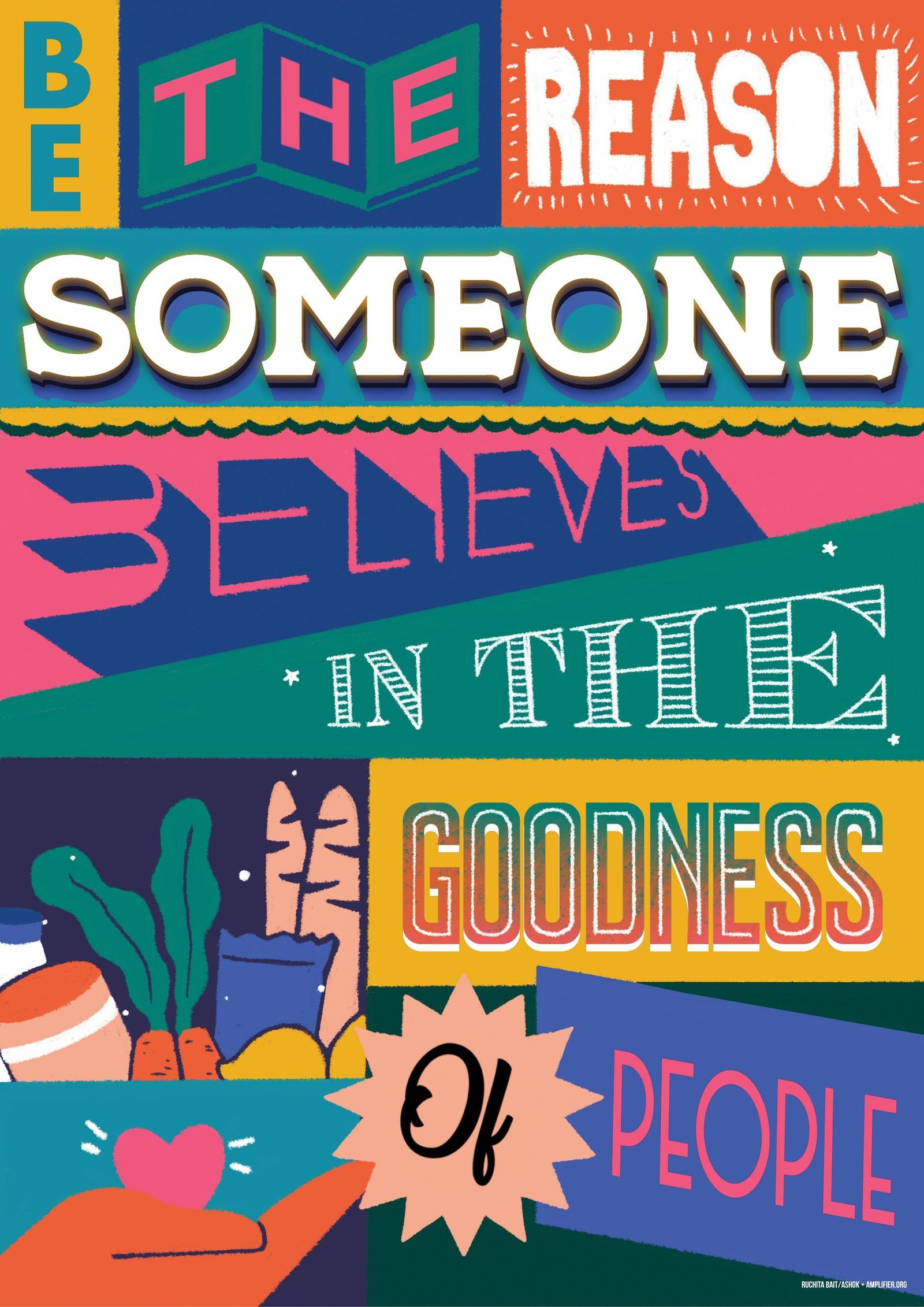
Ruchita Ashok
BELIEVES
In response to COVID-19, The Wellbeing Project, in collaboration with Amplifier Art launched a campaign with top art curators and public-health advisors from around the world, looking for symbols that promote mental health, wellbeing and social change work in this new age
“Every little donation will help in making sure that somebody doesn’t sleep hungry.”
BUNNIE REISS
HOPE
In response to COVID-19, The Wellbeing Project, in collaboration with Amplifier Art launched a campaign with top art curators and public-health advisors from around the world, looking for symbols that promote mental health, wellbeing and social change work in this new age
“I created these posters as a way to connect with the world during a time of such complete isolation. My hope is that they help others to see the light at the end of the tunnel. The only real way for us to get through this is together.

BUNNIE REISS
STANDING APART
In response to COVID-19, The Wellbeing Project, in collaboration with Amplifier Art launched a campaign with top art curators and public-health advisors from around the world, looking for symbols that promote mental health, wellbeing and social change work in this new age
“I created these posters as a way to connect with the world during a time of such complete isolation. My hope is that they help others to see the light at the end of the tunnel. The only real way for us to get through this is together.”

EMILY PERELMAN
SUPPORT EACH OTHER
In response to COVID-19, The Wellbeing Project, in collaboration with Amplifier Art launched a campaign with top art curators and public-health advisors from around the world, looking for symbols that promote mental health, wellbeing and social change work in this new age.
Digital illustration representing themes of support, coming together, and shining a light in a time of darkness, by Emily Lynn Perelman.
See more from Emily here

EMILY PERELMAN
SUPPORT EACH OTHER
In response to COVID-19, The Wellbeing Project, in collaboration with Amplifier Art launched a campaign with top art curators and public-health advisors from around the world, looking for symbols that promote mental health, wellbeing and social change work in this new age.
Digital illustration representing themes of support, coming together, and shining a light in a time of darkness, by Emily Lynn Perelman.
See more from Emily here

LENDL ROMERO
SACRIFICES
In response to COVID-19, The Wellbeing Project, in collaboration with Amplifier Art launched a campaign with top art curators and public-health advisors from around the world, looking for symbols that promote mental health, wellbeing and social change work in this new age.
A Greater risk of everything in life is what our Medical People are willing to sacrifice fighting this life threatening pandemic. Most countries are not prepared and it comes with a prize . My art speaks everything lacking on our Health Care System . We may get through this soon but we need to provide them the liberty and support they need . To our Front liners we salute and pray for the strength you put into despite the lack of measures of our Government. (Ray thorns & Sun represents the hero / liberty image)

KIMBERLY ASHBY
SELF CARE
In response to COVID-19, The Wellbeing Project, in collaboration with Amplifier Art launched a campaign with top art curators and public-health advisors from around the world, looking for symbols that promote mental health, wellbeing and social change work in this new age.
Kimberly Marie Ashby is a Black and Native American, queer, woman artist, activist, and doctoral candidate in counseling psychology. Kimberly creates hand-cut collages through an Afrofuturist lens, using found materials to reflect marginalized people’s ability to make marvels out of the scraps they are given. Kimberly created this hand-cut collage To express the importance of self-care, particularly for Black and Brown people in the US who are being disproportionately impacted by COVID-19.