Content Curation Advisory Board Member

Regional Specialist: Africa

Melissa Wainaina

Former Feminist Republik Creative Facilitator, Urgent Action Fund Africa

Connect with Melissa on social media :

Connect with Urgent Action Fund Africa on social media: :

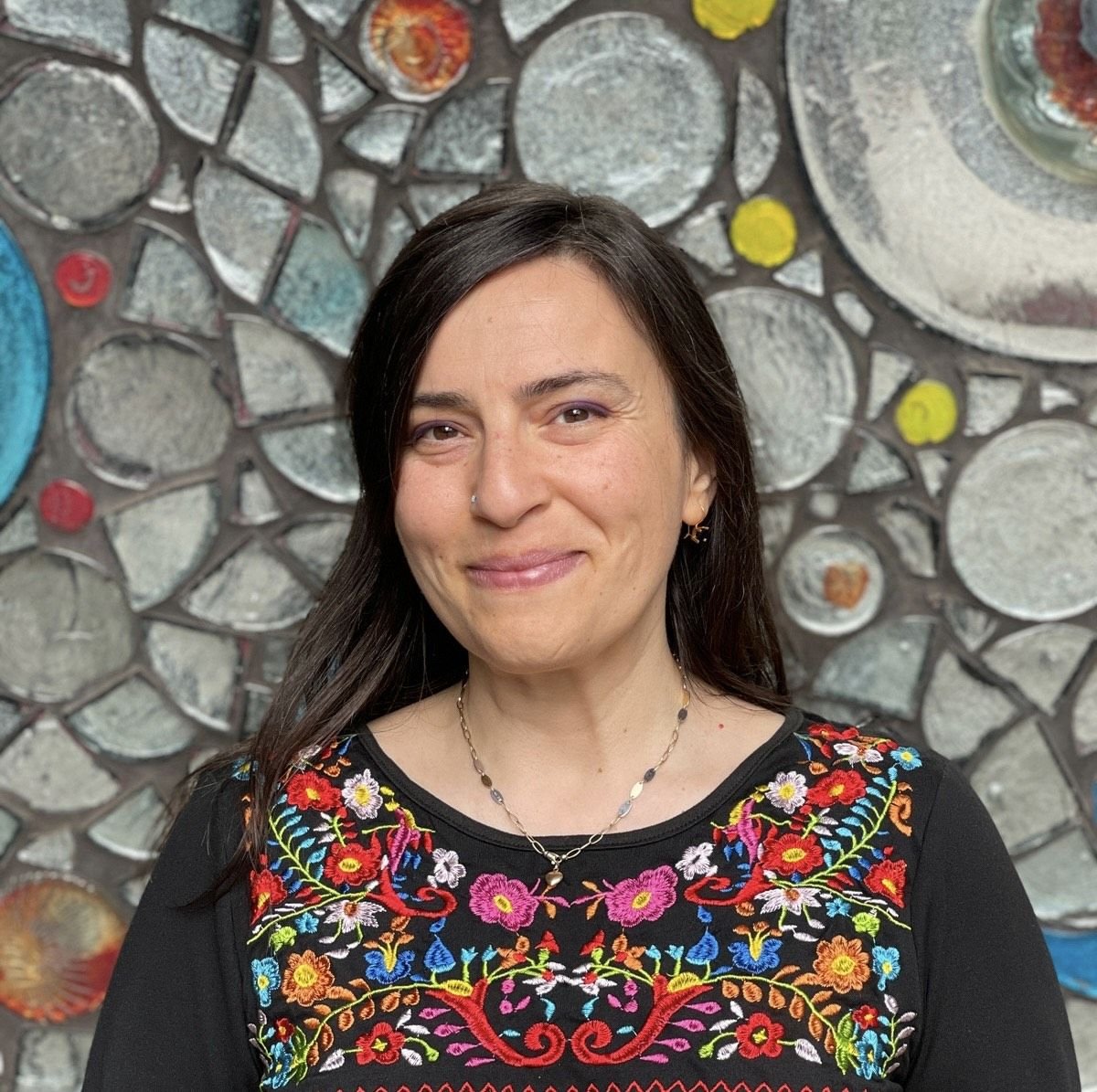
Melissa Wainaina is a Kenyan feminist activist who has served as the Feminist Creative Facilitator at Urgent Action Fund Africa (UAF-Africa). Prior to that role, she led programmatic work in Africa for the feminist international human rights organization CREA. She has been involved in supporting African womn’s rights movements for almost fourteen years, working to address unjust power structures and systems. Since 2006, she has focused on promoting a more feminist approach to addressing the intersection between gender and sexuality rights, particularly among womn and girls with disabilities, LBTQ+ individuals, and rural-based women collectives.

Melissa has played a key role in building transnational and intersectional feminist networks in the Global South and beyond. She is passionate about ensuring that feminist and activist movements prioritize well-being and healing as they pursue liberational and transformative justice. Her work at Urgent Action Fund-Africa includes running the Feminist Republik Platform, a platform that solely aims to foster cultures of care for African womn’s human rights defenders, groups, organizations, and movements.

As an ‘artivist’, Melissa uses the power of art to nurture creative expression as a way for people to explore healing and processing inner wounds and trauma. She enjoys writing, poetry, designing jewelry, handmade crafts, and photography. Her photography was featured in the Global Fund for Women online exhibition ‘MAMA’, focusing on Motherhood Around the Globe.

Melissa has published work under various aliases, including Sikiliza, Mūthoni, Imani Kipepeo, and Kamanzi Wainaina. Her personal blog, ‘Sikiliza Speaks,’ has been running since 2007.

On a personal level, Melissa co-owns a small organic farm in rural Kenya with her partner, and they both advocate for food sovereignty, agroecology, and food justice.

IN MELISSA'S WORDSIN MELISSA'S WORDS

How do you think individual, collective, and planetary wellbeing are connected?

The interconnectedness of wellbeing spans across our bodies, communities, land and territories. Thriving on this planet requires us all to prioritise collective care and healing as a strategy for regeneration, vitality, and flourishing.

What do you hope the outcomes are from the global Hearth Summit?

More thinking and acting to normalise wellbeing and placing collective care putting people and the planet over profits and productivity.

WHAT MELISSA IS READING, LISTENING TO, AND WATCHING

“We Carry Generational Demands for Healing That Will Not Rest”: An African Feminist Exploration of Healing Justice (Urgent Action Fund Africa, 2023)

“Phodišo ka pele – The 2nd Feminist Republik Festival Reflection Video”

Dreams of Transformation: Healing Justice as Feminist Practice. Urgent Action Fund Africa 2022 Annual Report (Urgent Action Fund Africa, 2022)

Content Curation Advisory Board Member

Regional Specialist: Hong Kong

Josephine Woo

Head of Holistic Education, Kadoorie Farm and Botanic Garden

Connect with Josephine on social media :

Connect with Kadoorie Farm and Botanic Garden on social media :

Josephine is an avid nature lover, passionate educator, and certified Mindfulness Teacher. This combination of passions has formed her unwavering dedication to educating others on the well-being of mankind and the important role of mother nature. 

Being a mindfulness practitioner, Josephine believes in the multifaceted benefits that a mindful study of nature can bring to the public. Josephine advocates that by observing nature closely, we can gain a sense of self-awareness and a deeper understanding of the inter-relating nature of compassion –as humans inter-relating with the world around us. In essence, she believes that a deeper study of nature nurtures a more spiritual understanding and respect for both the wider natural world and us. 

Apart from this, Josephine has extensive experience in commercial and non-profit organizations, working primarily within communications, operations, and the strategic development of education initiatives in her career. In 2022, she had the privilege to join Kadoorie Farm and Botanic Garden (KFBG) as the Head of the Holistic Education Department, where she designs and delivers innovative and transformative programs for the Hong Kong public to restore their connection with nature. Through her work implementing holistic learning opportunities at KFBG, Josephine has helped current and future generations nurture a deeper respect and appreciation for the impact their actions can have on the greater ecological environment.

KFBG, a sanctuary for animals and plants native to Hong Kong, is situated in the Tai Po district. It is a place where rigorous science-based species conservation and ecosystem restoration have been an ongoing effort since the 1990’s. During this time, KFBG has also educated the public on new ways of thinking regarding low-carbon living in response to the ecological impacts of resource usage within the day-to-day lifestyle of Hong Kong residents. By closely collaborating with the public, government, academia, NGOs and businesses, KFBG has remained devoted to protecting the common future of Hong Kong’s diverse ecosystems.

IN JOSEPHINE’S WORDSIN JOSEPHINE’S WORDS

How do you think individual, collective, and planetary wellbeing are connected?

I first began learning mindfulness practice from Plum Village: a community of mindfulness practitioners with yearly retreats held around the world. As a student of Thich Nhat Hanh, the concept of  “we inter-are” particularly resonated with me in relation to the inter-connected nature of this topic. One specific quote from Thich that stood out to me is as follows, 

“When we look at the Earth and at ourselves, we see that human beings are made of non-human elements. Looking into our body, we see minerals, animals, plants and other elements. We can see the whole evolution of life and the human species. If we were to remove the non-human elements, human beings would disappear. So, to protect humanity, we must protect the non-human elements.”

I believe this quote explains – likely in more graceful prose than I myself could write – my view of how myself, us, and the wider natural world intrinsically connect and interact with one another.

What do you hope the outcomes are from the global Hearth Summit?

I hope that more people will not only learn more about the work we do at KFBG, but also how we strive to practice and promote individual, collective, and planetary wellbeing based on an ecological worldview. Through this, we hope that attendees will be able to act on the lessons learned within this summit and bring this shared worldview into fruition.

Content Curation Advisory Board Member

Intergenerational Trauma Specialist

Dr. Mays Imad

Associate Professor, Connecticut College

Connect with Dr. Imad on Social Media :

Connect with Connecticut College on Social Media :

Dr. Mays Imad’s academic journey began at the University of Michigan–Dearborn, where she pursued philosophy and minored in chemistry. She earned a doctoral degree in cellular & clinical neurobiology, with a minor in biomedical sciences, from Wayne State University School of Medicine in Detroit. After a postdoctoral fellowship at the University of Arizona’s Department of Neuroscience, she joined Pima Community College (PCC), teaching a variety of biology-related subjects. During her tenure at PCC, she founded their Teaching and Learning Center (TLC). Throughout her education and professional journey, Dr. Imad has maintained a keen interest in exploring how the nervous system perceives and responds to the world, which has deeply influenced her approach to both teaching and research.

Currently an associate professor at Connecticut College, Dr. Imad is interested in understanding the social determinants of student wellbeing and success and conducts research on equity pedagogy. Her work reflects a deep commitment to equity and justice in and through education. With fervor, she advocates for institutions to pay close attention to intergenerational trauma and to prioritize repair, healing and growth. She is a Gardner Institute Fellow, AAC&U Senior STEM Fellow, a Mind and Life Institute Fellow, and a Research Fellow at the Centre for the Study of the Afterlife of Violence and the Reparative Quest (AVReQ).

Content Curation Advisory Board Member

Peacebuilding and Reconciliation Specialist

Dr. Akwasi Aidoo

Senior Fellow, Humanity United

Connect with Dr. Aidoo on social media:

Connect with Humanity United on social media:

Dr. Akwasi Aidoo is a philanthropy professional and also engages in creative writing in his spare time.  He is currently a Senior Fellow at Humanity United, and was the founding Executive Director of TrustAfrica.  His other previous positions include head of the health sciences program of the International Development Research Center (IDRC) in West and Central Africa, Director of the Ford Foundation’s offices in Senegal and Nigeria, Director of the Ford Foundation’s Special Initiative for Africa, In the 1970s and 1980s, Dr. Aidoo taught at universities in Ghana, Tanzania, and the United States.

Dr. Aidoo currently serves on the Boards of several international organizations including Human Rights Watch, International Development Research Centre, NatCen International. He is also a member of the Advisory Board of CAPSI. He previously chaired the Boards of Fund for Global Human Rights, Resource Alliance, Africa Grantmakers’ Affinity Group, The Resource Alliance, and two Boards of Open Society Foundations. Other Boards that Dr. Aidoo has served on in the past include those of OXFAM America, Global Greengrants Fund, and the Global Network Committee of the Ash Institute at Harvard University.

Dr. Aidoo was educated in Ghana and the United States and completed a Doctor of Philosophy degree in medical sociology from the University of Connecticut in 1985. In 2021, he received the African Philanthropy Lifetime Achievement Award.

Topical SpecialistsTopical Specialists

AARON PEREIRA

Dr. Akwasi Aidoo

Dr. Mays Imad

Gayle Karen Young

Jay Coen Gilbert

Sennay Ghebreab

Regional SpecialistsRegional Specialists

Josephine Woo

Melissa Wainaina

Smarinita Shetty

Yasmin Helal

Other SpecialistsOther Specialists

ELENA CRESCIA

Mar Cabra

Sarah Zak Borgman

Key Topics Key Topics

Food Systems, Farming and Flourishing for All

In a globalized world, what can a vision of Ecological Belonging look like for our food systems? Today, nearly a fifth of all food produced for human consumption is wasted before it can be consumed, all the while billions of people face growing food insecurity around the world. Farmers’ and rural communities’ wellbeing is impacted by climate change, economic trends, and urban development. 

Spaces like the United Nations’ first-ever Food Systems Summit are bringing this topic to major decision-making agendas. The Hearth Summit will take these conversations further: exploring how to shift our relationship with food and farming to achieve wellbeing and flourishing for all. We will explore how we can better honor farmers, the soil, and biodiversity in the way food is produced. We will reflect on how to ensure the economic wellbeing of farmers and accessible, nutritious food for all. 

The Hearth Summit will offer food both for thought and for feeling: celebrating the central role of breaking bread, sharing meals, and savouring the tastes of life in bringing people together.

We will also feed our appetite with Ljubljana’s vibrant culinary scene and uniquely localized food systems: nearly half of Slovenia’s agriculture is produced in the Ljubljana region, while the Ljubljana Central Market features goods from 2,500 local farmers year-round.

Key Topics Key Topics

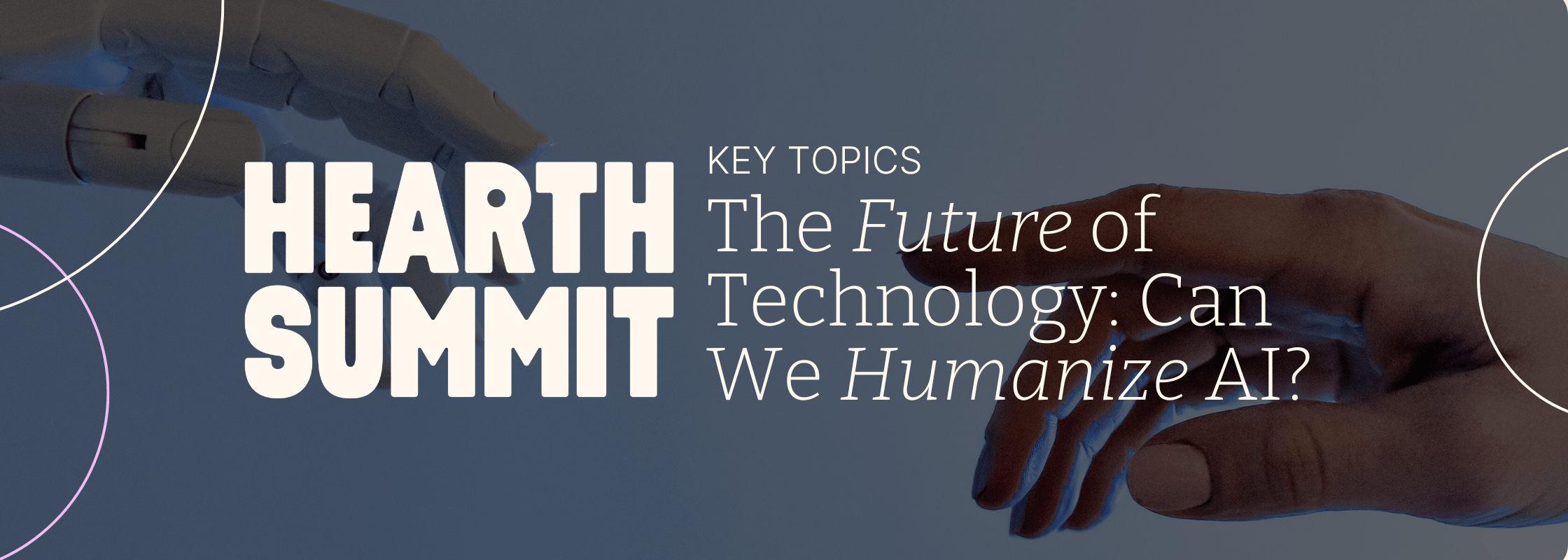
The Future of Technology: Can We Humanize AI?

Bridging the traditional with the technological, the Hearth Summit will connect us off-screen for human conversations on digital wellbeing. Studies and stories are increasingly telling us about the impact of screen time, social media, and technology on our mental health, self-esteem, and relationships with others. Rapid developments around artificial intelligence, data privacy, the digital divide, and cybersecurity are changing how we interact with technology on a daily basis. The production of electronics has led to increased amounts of electronic waste, pollution, and exploitation of natural resources.

In a world where technology is everywhere, how can we hardwire wellbeing into algorithms and AI? How can our devices be used and designed with wellbeing in mind? How can we harness the power of technology to serve humanity and the planet in a better way? Is there an ethical approach to AI? These emerging conversations and more will offer us time to pause and reflect on the virtually infinite dimensions between technology and human wellbeing.

Key Topics Key Topics

Individual Wellbeing

At its core, the Hearth Summit will invite us to continue our personal wellbeing journeys, reflecting on the role of inner work and personal growth in our work as changemakers.

We will hear touching, invigorating stories of wellbeing inspiring welldoing from changemakers from all different fields – sharing a collective story of the universal human value of wellbeing. We will also learn more about the ripple effects of personal wellbeing, such as the business case for supporting employee work-life balance and wellbeing, how citizens’ wellbeing impacts civic engagement, and more. As a space for experience and emotion, the Hearth Summit is also designed to be a space for wellbeing: with activities and workshops, we’ll have time to explore different practices that help us feel and be our best.

DISCOVER MORE STORIES DISCOVER MORE STORIES

And research about Individual Wellbeing from around the world:

Key Topics Key Topics

Intergenerational Trauma

At the heart of wellbeing and social change, the Hearth Summit will be a space for healing; a space to reflect on trauma and its presence all around us. At the Hearth, we will acknowledge how trauma ripples through generations, affecting mental health, relationships, and community wellbeing. From personal stories, evidence-based research, and case studies, changemakers will learn how trauma is passed down, ways to break the cycle, and strategies for fostering personal resilience. We will also look at the interconnectedness of our experiences, understanding how we can work to transform harmful systems into healing ones. By inviting us to reflect on the past, the Hearth creates a new space for the future: one of wellbeing and healing for all.

DISCOVER MORE STORIES DISCOVER MORE STORIES

And research about Intergenerational Trauma from around the world: