
Join The Organizational Wellbeing Community Of Practice ( OW – CoP ) Join The Organizational Wellbeing Community Of Practice ( OW – CoP )
The Organizational Wellbeing Community of Practice is an initiative that stems from the Organizational Wellbeing Exploratory Program (OWEP) (2019-2024), involving 8 non-profit organizations worldwide in exploring how to address a culture change towards building a wellbeing lens. This OWEP initiative provided a flexible platform for participants to develop new ideas around wellbeing without rigid definitions, enabling them to naturally evolve their understanding and practices within their organizations.
The OW-CoP will build upon the insights gained through the OWEP experience and foster shared learning, collaboration, and support among a wider range of organizations committed to enhancing their wellbeing practices. A total of 22 organizations, including the eight OWEP members, will be invited to participate in a two-year program consisting of online meetings with specialized coaches, peer support, optional individual coaching sessions, case studies, and one annual in-person retreat.

Who is the Program For?
This program is tailored for non-governmental organizations (NGOs) committed to embarking on an organizational wellbeing journey and building a community of shared learnings. While prior experience with wellbeing frameworks is advantageous, it is not mandatory. Each organization may engage up to two participants.
Why Join the OW-CoP?
- Collaborative Learning: Connect with other +20 organizations eager to exchange experiences and foster a culture of wellbeing.
- Community Support: Gain from a network of like-minded individuals dedicated to promoting organizational health.
- Diverse Perspectives: Collaborate across various sectors to deepen your understanding on wellbeing practices.
- Organization’s culture development: Benefit from the tools provided by the coach and the learnings shared by peer organizations to implement wellbeing strategies in your organization.
How the OW-CoP operates
- Duration: June 2025 – June 2027 (with potential extension based on participants’ feedback).
- Participants: 22 organizations (with up to 2 members per organization), including the eight original OWEP members
- Format: Interactive online meetings, peer support sessions and personalized coaching.
- Annual Retreat: Participate in an enriching in-person gathering each year.
Kick-off Event:
Launch Gathering: Join us in Ljubljana, Slovenia on June 16, 2025, just before The Wellbeing Global Hearth Summit (June 17-20) for a one day in-person retreat
A welcoming dinner will be held on June 15th.
Flexible Engagement Options:
Recognizing that each organization has distinct needs and capacities, we offer a flexible engagement model with various participation levels to accommodate your schedule and ensure that you can maximize the benefits of this program.
Commitment Details:
- Format: Combination of online meetings and an annual retreat.
- Duration: Two-year program with continuous support.
- Time Commitment: Tailored options to align with your organization’s needs.
- Cost: The OW-CoP program has no costs for participants. However, while lodging during the in-person annual retreat is covered by the program, the travel expenses are the responsibility of each participant. One member per organization is invited to each retreat.

Ready To Elevate Your Organizational Wellbeing? Ready To Elevate Your Organizational Wellbeing?
Save the date! Our call for applications will be open from February 20th, until March 31st, 2025. Seize this opportunity to join a transformative movement for enhancing organizational wellbeing. For questions or concerns please contact us at eugenia@wellbeing-project.org.

The Story Behind Our Intergenerational Trauma Community of Practice The Story Behind Our Intergenerational Trauma Community of Practice
Our journey began with a shared vision: to create a space where leaders and organizations from diverse sectors could explore the profound impact of intergenerational trauma (IGT) on communities and systems. The Leadership in Intergenerational Healing and Transformation Community of Practice (LIGHT CoP) was born from a deep commitment to understanding how trauma influences social change work and the need for collective healing. Central to our approach is the recognition that the relationship we have with ourselves shapes how we relate to others—by deepening self-awareness and healing within, we can foster more compassionate, resilient connections with the people and systems we engage. Through a collaborative process, we engaged with social change leaders, mental health practitioners, and organizations already weaving trauma -informed approaches into their work. Together, we shaped this community, not just as a platform for learning, but as a catalyst for healing and transformation on both individual and collective levels.
What Our IGT CoP Is: Vision and Key Features What Our IGT CoP Is: Vision and Key Features
Our vision is to create a global community of practice that integrates healing and trauma-awareness into social change efforts. Our IGT CoP brings together 20-25 organizations, each represented by two key members:
- A member of the senior leadership team or the CEO, ensuring that trauma-informed practices are prioritized at the highest organizational levels.
- An additional team member, reflecting a diverse perspective and the capacity to operationalize this work.
To join, each organization must also secure board-level approval, signifying a commitment to embedding trauma-informed principles into their internal and external practices.
With organizations from sectors such as education, healthcare, and government, among others, we aim to build a truly global and multidisciplinary community.
Currently, there are very few spaces where social change leaders can come together collectively to address these critical issues. Our CoP seeks to fill that gap by co-creating a valuable, reflective space that evolves through the contributions and experiences of its members. This is not only a platform for sharing knowledge but also for exploring what lies within our capacity to transform and for highlighting areas where we may need collective support.
In this safe space for exploration and learning, we invite members to embark on a journey of self-discovery—recognizing that to go forward, we must first go inward. Through this process, we transform ourselves, shaping our own being through the very processes in which we engage. This commitment to personal transformation opens the door for others, especially within hierarchical systems, creating opportunities for collective growth and healing.
Key Features of the IGT CoPKey Features of the IGT CoP
- Practical Application: Our focus is on practical approaches that leaders and organizations can integrate into their work, prioritizing reciprocity and sustainability in their impact.
- Healing Orientation: A core focus on healing, with an emphasis on personal and collective well-being as a foundation for systems change.
- Global and Multi-Sectoral: Participants come from varied fields, offering a rich exchange of perspectives and experiences.
- Flexible Framework: The community is built around a co-created framework that evolves with the needs and insights of its members.
- Long-Term Commitment: Joining the CoP represents a significant long-term commitment of 3 years, with the potential for extension to 5 years. This allows for deep learning, sustained growth, and meaningful impact on both personal and organizational levels.
- Hybrid Model: The CoP will adopt a hybrid model, combining virtual and in-person events that ensure intimate and immersive experiences for members. Virtual meetings will enable consistent learning and connection, while in-person gatherings will offer opportunities for deeper exploration and collaboration.
- Language of Communication: The CoP will be hosted in English, ensuring accessibility for a diverse, global audience.

The Purpose of the IGT CoPThe Purpose of the IGT CoP
Our primary purpose is to deepen understanding and application of intergenerational trauma in the context of social change. We aim to:
- Promote healing as an integral part of systems transformation.
- Explore how trauma-informed practices can create long-lasting change in communities.
- Foster resilience and innovation through collective learning and shared experiences.
- Empower leaders to integrate trauma awareness into their strategic priorities and operational structures.
- Catalyze the development of new models and practices that support individual and community healing across generations.
How the IGT CoP Operates: Facilitation and ConnectivityHow the IGT CoP Operates: Facilitation and Connectivity
The time requirement for this Community of Practice would be:
- A CoP meeting once every 6 weeks for 2 hours
- 30-60 minutes of preparation for each session
- 2 additional 60-90 minutes practice sessions in triads in between calls with other CoP members
- 1 in-person meeting every year
- A 3-year journey (with potential to extend to 5 years) to build lasting relationships and impactful strategies.

In collaboration with

Berta Bragado Belío
Regional Summits Coordinator
Spain
Berta is a culturally engaged professional with a strong passion for creativity and fostering social connections. Having lived in four countries, she has cultivated a deep passion and curiosity for multicultural environments, which continues to shape her outlook on life. With a degree in Art History and a master’s in Cultural Management and Art Education for Social Inclusion, she is deeply interested in the social power of the arts and their ability to bring people & communities together. She has built her career in museums, galleries, and cultural organizations, with a growing socio-educational perspective that ended up paving her way to the Project.
She comes from a family of musicians, and she is also a musician herself, believing that art and creativity are essential to a meaningful & balanced life. She is an avid observer and finds joy in life’s small details, drawing peace and inspiration from photography, reading, gardening, and exploring art exhibitions. She also loves spending time and sharing experiences with her loved ones and feeding her curiosity by exploring new places and meeting new people.
Connect with Berta Bragado Belío on social media :
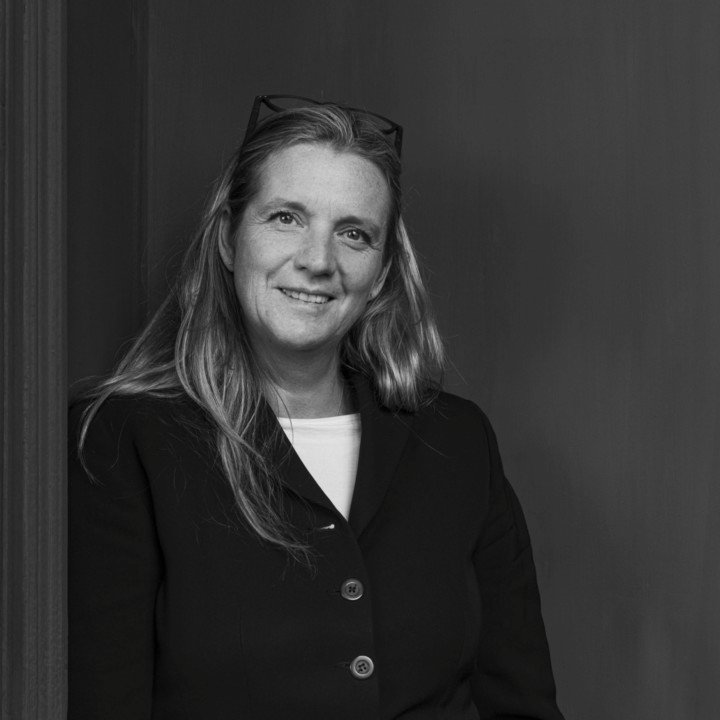
Maïté Herkens
SPEAKER BUREAU CURATOR
Brussels,
Belgium
Maïté Herkens is an experienced event curator and project manager, dedicated to weaving meaningful connections between people, knowledge, and ecosystems.
She has designed and led transformative initiatives, including the Wellbeing Summit Brussels 2023, and contributed to the Global Hearth Summit 2025, convening global thought leaders to foster collaboration and inspire positive, systemic change across sectors.
Maïté finds in nature a profound source of peace, balance, and renewal, and brings this perspective into her work — curating transformative experiences and mobilizing diverse actors to contribute to regenerative, joyful, and future-fit systems.
How would you define wellbeing in one word?
Peace
Are there any rituals or practices you use to enhance your wellbeing?
Yoga, walks in nature, be with my family and dog
Why is it important that we prioritize individual, organizational and societal wellbeing?
Outer peace comes with inner peace
Do you have any favorite books, podcasts, or articles that you believe support, promote or educate on wellbeing and related themes?
The Celestine Prophecy and series by James Redfield. Although not new, always relevant
Connect with Maïté Herkens on social media :

Riddhi Shah
Lead, Innovation
Pondicherry,
India
In a career spanning sixteen years, of which eleven were spent living out of a backpack, Riddhi has an extensive blended experience of working on field in some of the remotest areas of India and at decision-making tables in urban India. Having played multiple roles, including those of mentor, advisor, and facilitator, she has supported and consulted for a range of Indian and international HNIs, projects, schools, organisations and institutions on Integral Education, Spiritual Ecology, Communications, Organisational Strategy, Design Thinking, CSR, Young Leadership, Fundraising, Culture and Wellness practices.
With a knack for piloting and incubation, she has given form to great ideas that have little or no blueprints, including The GROW Fund and UdyamStree, her most recent pilots, that have received global recognition and multiple awards.
Previously, she has been a Young Climate Change Representative for India, at UNESCAP Bangkok; been ranked as one of the top five influential Indian women-changemakers under the age of 25 by Hindustan Times in 2016, been a serial TEDx speaker and been invited to represent India at global forums to address critical issues pertaining to the fulfilment of SDGs, integral education, and women in leadership
What does inner wellbeing mean to you?
Equanimity and Joy!
How would you define wellbeing in one word?
Healed (past tense, specifically)
Are there any rituals or practices you use to enhance your wellbeing?
Walking barefoot on sand, grass and in the forest, art, painting and printmaking, meeting elders of the community
Why is it important that we prioritize individual, organizational and societal wellbeing?
Only the healed can heal. 🙂
Do you have any favorite books, podcasts, or articles that you believe support, promote or educate on wellbeing and related themes?
Books: Braiding Sweetgrass, Entangled Life, Savitri,
Movies: The Prophet (animated), Peaceful Warrior

BUSINESS AS A FORCE FOR GOOD BUSINESS AS A FORCE FOR GOOD
Driving systemic change to enable human and planetary wellbeing
Welcome to a curated space that celebrates business as a powerful force for positive change. Explore a range of inspiring stories and insights that highlight how businesses are embracing purpose-driven models, creating meaningful impact, and paving the way for a future where profit and purpose go hand in hand. Discover how innovation, responsibility, and ethical practices are shaping a more sustainable and inclusive world for all.
BUSINESS FOR GOOD BUSINESS FOR GOOD
7 Ways to Take Action and Promote Workplace Wellbeing7 Ways to Take Action and Promote Workplace Wellbeing
Stories from the Hearth
Watch the full session from Hearth Summit Bogotá.
Quick Reads
- Fostering wellbeing in the workplace isn’t a nice-to-have — it’s a key element of organizational success.
- Taking short, frequent breaks throughout the day helps employees recharge, improve focus, and prevent burnout.
- Open communication fosters trust and enhances workplace wellbeing.
- Encouraging physical activity can reduce stress and boost mental and physical health.
- Recognizing achievements and supporting work-life balance create a positive work environment where employees feel valued and motivated.
Promoting workplace wellbeing isn’t just a nice-to-have — it’s essential for fostering a positive and productive environment where employees can thrive. At Hearth Summit Bogotá, visionary social entrepreneur Eleanor Allen shared insightful strategies for organizational wellbeing to avoid burnout and encourage employee excellence. Inspired by these tips, here are seven actionable steps that any organization can implement to create a healthier, happier work culture.
1. Take Regular Breaks
Taking short, frequent breaks throughout the day to prevent burnout and maintain productivity. Encouraging employees to step away from their desks — even for a few minutes — helps them recharge, improve focus, and sustain their energy levels. Implementing policies that remind employees to take breaks, such as using productivity apps or scheduling stretch sessions, can be helpful.
2. Foster Open Communication
A key takeaway from Eleanor’s executive experience is that a workplace where employees feel heard is a workplace where they can thrive. Encouraging open communication through regular team meetings, feedback sessions, and an open-door policy can strengthen trust and collaboration. When employees feel comfortable sharing their thoughts and concerns, it positively impacts their mental well-being and overall job satisfaction.
3. Promote Physical Activity
Exercise isn’t just for the gym! Physical activity reduces stress and boosts both mental and physical health. Organizations can promote movement by offering on-site fitness facilities, organizing group exercise sessions, or encouraging walking meetings. Even small initiatives, like standing desks or lunchtime yoga, can make a big difference in overall well-being.
4. Provide Professional Development Opportunities
Employees who feel like they are growing in their careers experience greater job satisfaction. Investing in professional development — whether through workshops, training sessions, mentorship programs, or tuition assistance — demonstrates that an organization values its team’s growth and success. Encouraging continuous learning benefits both employees and the company.
5. Recognize and Reward Achievements
The importance of feeling valued in the workplace is essential. Implementing recognition programs — whether through formal awards, peer-to-peer shoutouts, or a simple “thank you” in a meeting — can go a long way in motivating employees. A culture of appreciation fosters a positive work environment and encourages continued engagement and excellence.
6. Support Work-Life Balance
Encouraging a healthy work-life balance is a necessary part of preventing stress and burnout. Organizations can support employees by offering flexible work schedules, remote work options, or ensuring they use their vacation time. Promoting a culture where people feel comfortable taking breaks and setting boundaries between work and personal life leads to happier, more productive employees.
7. Create a Positive Work Environment
A workplace should be more than just a place to get things done — it should be a space where people feel valued, respected, and included. Companies can foster a positive culture by encouraging team-building activities, celebrating diversity, and promoting collaboration. A supportive and inclusive atmosphere leads to stronger relationships and a more enjoyable work experience.
By taking proactive steps to prioritize workplace wellbeing, organizations can create a culture that supports both employee happiness and business success. These actionable strategies can help build a healthier, more engaged workforce. After all, wellbeing inspires welldoing — so why not start making changes today?
Organizational culture, work-life balance, and employee wellbeing are key topics that are explored at the Hearth Summits taking place around the world. Want to join in?
EXPLORE THE REGIONAL SUMMITS FURTHEREXPLORE THE REGIONAL SUMMITS FURTHER
Dive Into Stories From Around the World
Discover Organizational WellbeingDiscover Organizational Wellbeing
Meet and hear stories from the changemakers championing wellbeing in their organizations.
What’s a Wellbeing Economy – and How Can We Join In?What’s a Wellbeing Economy – and How Can We Join In?
Stories from the Hearth
Quick Reads
- A wellbeing economy redefines success by prioritizing happiness, health, and community wellbeing over only focusing on financial growth.
- Sustainability is at the heart of a wellbeing economy, ensuring that environmental care is a key focus for future generations.
- Strong social connections and mental health support are essential in a wellbeing economy, shaping communities that prioritize human wellbeing.
- You can contribute to a wellbeing economy by supporting local businesses, advocating for change, and promoting sustainable living.
The concept of a wellbeing economy is catching on as people seek alternatives to our current economic system, which often prioritizes profits over people and the planet. Imagine an economy that puts happiness, health, and the environment at the forefront of progress!
In this guide, we’ll explore what makes up a wellbeing economy, how it stands apart from the traditional models, and some easy steps you can take to start embracing it in your own life and community. These insights come from the recent Hearth Summit in Athens, where wellbeing economists Lorenzo Fiaromonti, former Italian Minister of Education in Italy and Founding Director of the Institute for Sustainability at the University of Surrey, and Conchita Galdon, Vice Dean, Instituto de Empressa, answered the big questions around wellbeing economies: Are they realistic? Do they work? How can we build them in practice?
Take a look at what a wellbeing economy is, how it can drive sustainability, and how everyone can benefit from it.
1. Rethinking What Success Means
In a wellbeing economy, success isn’t just about GDP numbers and stock market charts. Instead, it’s measured by how well we connect with each other, how healthy our communities are, and how we take care of our planet. It’s about valuing happiness and quality of life just as much as financial returns.
2. Earth-Friendly at its Heart
Environmental care is a core value of the wellbeing economy. This means focusing on practices that protect and nurture our planet, unlike the traditional systems that sometimes overlook environmental costs. By weaving sustainable practices into daily life, a wellbeing economy helps ensure we leave a healthier planet for future generations.
3. Fostering Social Ties and Mental Health
At the heart of a wellbeing economy is recognizing the significance of social interaction and mental health. Unlike the sometimes isolating nature of modern lifestyles, this model promotes designing cities and work environments that help us connect with others and maintain good mental health.
4. Supporting Your Local Scene
A wellbeing economy thrives on supporting local businesses and community endeavours, moving away from the big corporate dominance seen in traditional economies. Emphasizing local commerce not only reinforces cultural identity but also boosts local employment, creating resilient communities connected by mutual support.
5. Policies That Promote Real Wellbeing
In a wellbeing economy, policies are crafted to integrate wellbeing indicators into all levels of economic planning. This means placing priorities on health, education, and community development alongside economic metrics to foster a more balanced and equitable society.
Getting Started with the Wellbeing Economy
Here are some simple ways you can begin embracing a wellbeing economy:
- Shop Local and Green: Opt for local and environmentally-friendly products, supporting businesses that care about the planet and community welfare.
- Join Community Initiatives: Get involved in local projects focused on enhancing social bonds and sustainability—your involvement can make a real difference!
- Speak Up for Change: Advocate for policies that emphasize wellbeing and sustainability, making sure your voice is part of the conversation.
- Spread the Word: Share information about the wellbeing economy, encouraging friends and family to think about more sustainable and satisfying ways of living.
A wellbeing economy is less about drastic upheavals and more about finding joy and sustainability in our daily lives. Embracing this shift can lead to a world where people, communities, and the environment all prosper together. With each small step we take—individually and collectively—we move closer to a more balanced and fulfilling world. So why not start today and see how you can make a positive impact?
Wellbeing economies, business for good, and sustainability are key topics that are explored at the Hearth Summits taking place around the world. Want to join in? Discover the gatherings taking place near you.