Julia Hotz

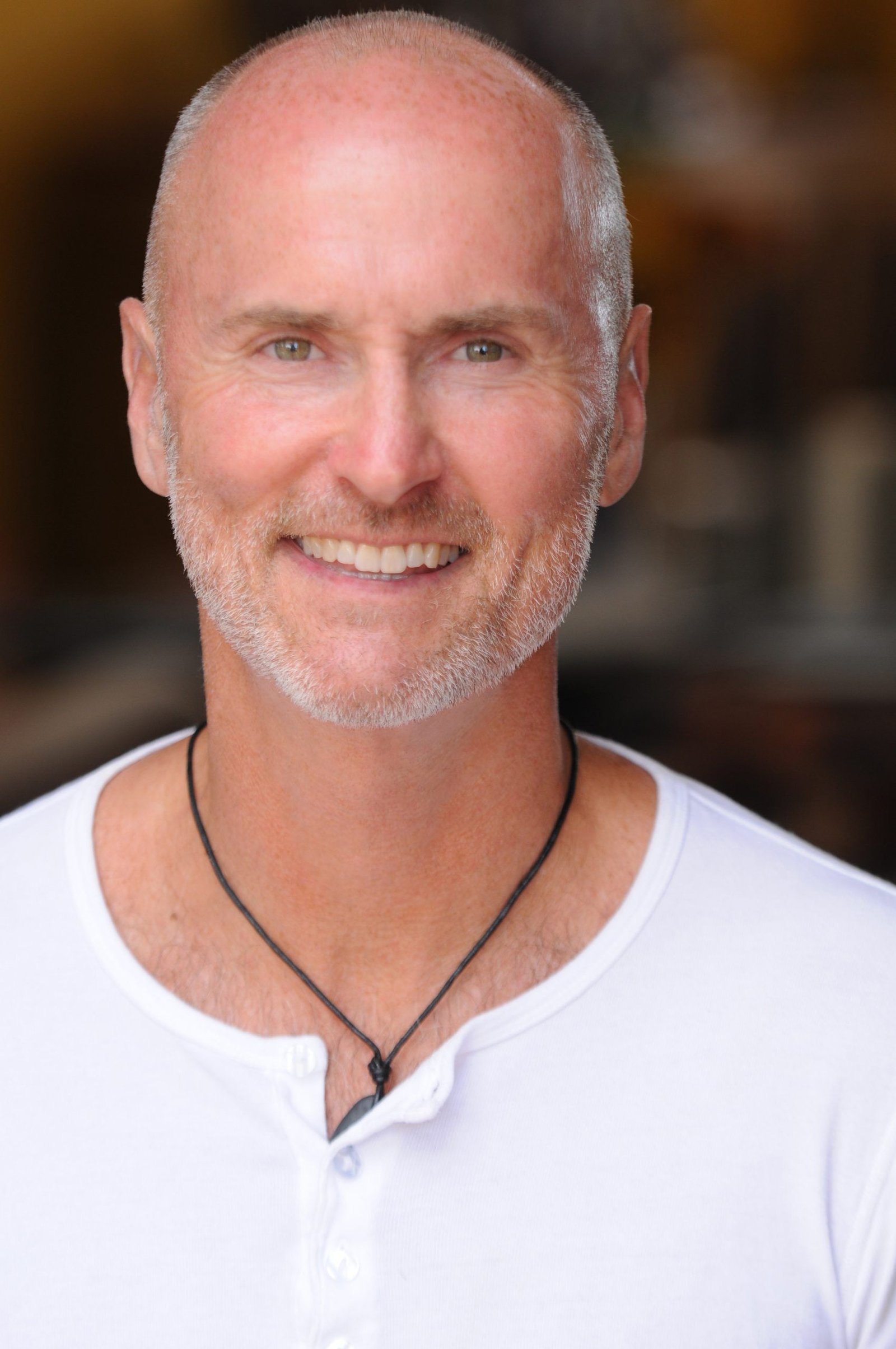
Julia Hotz is a solutions-focused journalist currently writing THE SOCIAL PRESCRIPTION (2024), a book exploring the science and stories of social prescribing by chronicling how doctor-led interventions for nonmedical supports —like art, nature, exercise, volunteer service, conversation groups, and economic resources—are making healthcare more effective, equitable, and sustainable. Her stories have appeared in WIRED UK, The New York Times, The Boston Globe, TIME, Popular Science, Scientific American, and more. After studying sociology at the University of Cambridge, she joined the Solutions Journalism Network, where she helps other journalists and entrepreneurs do and spread rigorous, evidence-based reporting on solutions to today’s biggest problems.

Dan Morse

Dan Morse is the co-founder of Social Prescribing USA, a network of leaders working to advance the US Social Prescribing movement. His team of volunteers are coordinating a US grassroots physician movement, organizing a network of 400+ experts, and catalyzing prospective pilot studies in collaboration with professors at Harvard, Stanford, University of Michigan, reps from hospitals, Cleveland Clinic, and the NIH. Aimed to be the “public town square” of the moment, the organization is also building a free site to allow people to find social prescriptions by zip code.

Dan has spent the past decade focused on social determinants of health, from organizing place-based health interventions in Detroit to founding an award-winning health empowerment restaurant. Today, Dan is on the founding team of a new Bachelor’s degree-granting college in San Francisco, called Make School (now Dominican University). The college prepares students from disadvantaged backgrounds to get jobs at companies like Apple, Google, Tesla, and NASA. Dan has pioneered data-driven programs that address students’ social determinants of health and foster academic success. He graduated from the University of Michigan Ross School of Business with honors.

Dr. Ardeshir Z. Hashmi

MD, FACP, FNAP.

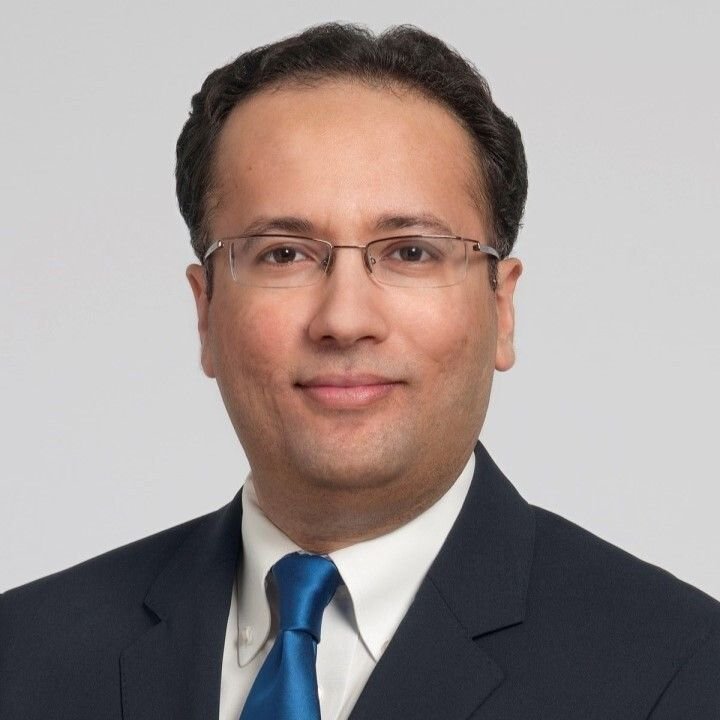
He is the Endowed Chair of Geriatric Innovation and Section Chief of the Center for Geriatric Medicine at Cleveland Clinic. Dr. Hashmi completed a two-year postdoctoral research fellowship at Yale University. He completed his Internal Medicine residency at the Yale-Saint Mary’s Hospital in Connecticut, where he served as Chief Medical resident. He then trained at Massachusetts General Hospital as a Clinical and Research Fellow in Geriatrics before becoming Faculty and then Medical Director of MGH Senior Health-Harvard Medicine. Dr. Hashmi subsequently transitioned to the Cleveland Clinic.

He is a Fellow of the American College of Physicians and the National Academies of Practice, a graduate of the Clinical Process Improvement Leadership Program and the Value Based Healthcare Delivery program via the Harvard Business School Institute of Strategy & Competitiveness. Dr. Hashmi is also certified as an Advanced Peer Coach through the Cleveland Clinic Center for Excellence in Coaching and Mentoring. He is Co-Chair of the national American Geriatrics Society (AGS) Patient Priorities Care Special Interest Group (SIG) and serves on the AGS Health Systems Innovation Economics & Technology Committee and the Society for General Internal Medicine’s Geriatrics Commission. Dr. Hashmi is also a member of the Association of Chiefs and Leaders in General Internal Medicine (ACLGIM). He is an alumnus of the prestigious Tideswell Emerging Leaders in Aging (ELIA) national leadership development program (in conjunction with the American Geriatric Society and the University of California San Francisco) and the ACLGIM LEAD programs. He is also a member of the American College of Healthcare Executives. Dr. Hashmi’s niche area of interest is the intersection of technology and population health in the service of our most vulnerable populations.

Learning for Well-being Foundation

Washington,
United States.

CoCo Labs is a systems change organization, dedicated to advancing equitable wellbeing for collective thriving. We believe that everyone, no matter what their current reality, should have access to the tools and support needed to transcend their wellbeing limitations and reach their fullest potential.

Our main aim is to build a coalition of organizations and individuals engaged in shifting multiple systems toward wellbeing for all. In the same way that the Base of the Pyramid (BoP) economics demonstrates that by raising the income of the poorest, the greatest knock-on effect occurs towards a country’s economy, our theory of change includes the notion that by raising the quality of life experience of the most challenged, a country’s thriveability will increase exponentially.
We begin by working with systems leaders to support them in showing up as the best versions of themselves. Leaders that are able to hold multiple perspectives, see systems as living systems, and navigate complexity, are able to create the conditions for communities, at a global level, to thrive even in adverse conditions.

CoCo Labs is working towards the advancement of equitable wellbeing for collective thriving. Thriving goes beyond resilience and well-being to describe a state in which:

  • Everyone is powerful – systemic oppression is phased out
  • Radical “othering” is a thing of the past – cultural competence and integration of diverse ways of being and doing are the norms
  • Communities live in harmony with nature – supported by, and supporting, ecosystem services
  • Individual and collective healing and resilience – communities are able to navigate uncertainty and complexity better
  • Communities demonstrate greater psychosocial development – they are able to move beyond resilience towards thriving, including a greater sense of individual and collective agency

Connect COCO LABS on social media :

Mirabai Bush

Mirabai is a Senior Fellow of the Center for Contemplative Mind in Society and served as Executive Director until 2008. Under her direction, The Center introduced contemplative practices into education, law, business, environment leadership, the military, technology companies, and activism.

She has been teaching workshops and courses on meditation and contemplative practice in life and work for many years. She co-developed the curriculum for Search Inside Yourself for Google, the first program in mindfulness-based emotional intelligence; it has been attended by tens of thousands of Google employees. A founding board member of the Seva Foundation, an international public health organization, she directed the Seva Guatemala Project, supporting sustainable agriculture and integrated community development.

She is the author, with Ram Dass, of Walking Each Other Home: Conversations on Loving and Dying and Compassion in Action: Setting Out on the Path of Service. She is co-author with Daniel Barbezat of Contemplative Practices in Higher Education: Powerful Methods to Transform Teaching and Learning and editor of Contemplation Nation: How Ancient Practices Are Changing the Way We Live.

She is Chairperson of Love Serve Remember Foundation and has been a board member of Lions Roar, Omega Institute, Seva Foundation, Search Inside Yourself Leadership Institute, Military Fitness Institute, and the Dalai Lama Fellows. She is an advisor to Mindful.

Her spiritual studies include meditation in Bodh Gaya, India, with Shri S.N. Goenka and Anagarika Munindra; bhakti yoga with Hindu teacher Neemkaroli Baba; and studies with Tibetan lamas Kalu Rinpoche, Chogyam Trungpa Rinpoche, Kyabje Gehlek Rinpoche, Tsoknyi Rinpoche, and others. She studied aikido with Kanai Sensei and has practiced Iyengar and Sivananda yoga.

Eugenia Di Fiori

Organizational Wellbeing COP Sr. Manager

Montpellier,
France.

Connect with Eugenia Di Fiori on social media :

Eugenia grew up in Buenos Aires, Argentina. Enabled by her job and her Italian citizenship, she moved to Montpellier, France in June 2021 together with her husband.

With a strong scientific background as a PhD in Biology, specialised in Ecology, Eugenia also trained in Traditional Chinese Medicine, in Qi Gong and in music in Argentina. She worked as a Qi Gong teacher for four years in Buenos Aires and simultaneously as an elementary piano teacher. As a biologist, she has both an ecological research background and a private sector experience, including a 3 year period within an international market research pharma consultancy.

Eugenia joined TWP in early 2023 to align herself to purposeful environments and to collaborate in building a conscious society in challenging times.

What does inner wellbeing mean to you?

Connecting heart and mind. Being connected to nature. Being conscious and present.

How would you define wellbeing in one word?

Consciousness.

Are there any rituals or practices you use to enhance your wellbeing?

Meditation, stretching, Qi gong, yoga, playing music (piano, guitar, singing), walking in nature, and spending time with loved ones. Watching sunrise and/or sunset.

Why is it important that we prioritize individual, organizational and societal wellbeing?

To integrate ourselves with our environment.

Do you have any favorite books, podcasts, or articles that you believe support, promote or educate on wellbeing and related themes?

Amel Murphy

Embodied Beings

Wokingham, Berkshire,
United Kingdom.

Amel is a trauma-informed Wellbeing & leadership facilitator and coach with over 20 years of experience in accompanying groups and individuals on the journey to belonging and wellbeing. Amel believe that to restore wellbeing and reclaim our voices and sense of belonging to ourselves and the world, we need to reconnect to our Seselelame: “Feel Feel At Flesh Inside”. We live in a world that values the mind’s intelligence over other intelligence; therefore, Amel’s work is about reconnecting to our felt sense to metabolise our experiences and release stuck energies and patterns to invite a new way of beings and showing up in the world. Amel delights in working with groups as she believes in the healing power of being witnessed by others as we navigate and touch the dis-ease of the inner experience. The community helps us remember we aren’t alone, allowing us to drop in even more and touch what needs to heal. Amel’s works are informed by different modalities, including; movement therapy, art, systemic constellation, energy work, storytelling, and mindfulness. In addition, Amel loves to work with body intelligence in service of renewal. Amel believes The Wellbeing Project work is fundamental to shifting the narrative around self-care/ inner wellbeing within the sector and globally. Offering safe, structured containers for participants to slow down, explore, release, reframe and renew their life force and work purpose. Amel lives in South England with her husband, John and their cat Taz. Amel loves traveling and exploring new cultures and food traditions. She has worked and lived in 17 countries.

What does inner wellbeing mean to you?

Inner wellbeing is that sense of ease and flow I experience as I move through the day, experiencing different aspects of life. It’s this capacity to rest in not knowing, rest in doubt, rest in imperfection, rest in love and pain. It this experience of this also shall pass. It’s the moments of awe for life and being moved in the presence of someone.

How would you define wellbeing in one word?

In Flow.

Are there any rituals or practices you use to enhance your wellbeing?

One of my favourite wellbeing practice is dance, moving to my body’s rhythm while listening to music, allowing myself to be moved. Also, journaling allows me to check in with myself in the morning and direct my energy as I tend to what is in the way and what has life.

Why is it important that we prioritize individual, organizational and societal wellbeing?

To thrive, to reconnect to our hearts, to stop the continues act of violence toward ourselves (self-hatered), towards the planet and everyone around. To experience belonging, to communion with others, and to dare to thrive.

Do you have any favorite books, podcasts, or articles that you believe support, promote or educate on wellbeing and related themes?

Radical wholeness, rooted, the untethered soul, the myth of normal, Us.

How would you define wellbeing in one word?

Podcast: Brene Brown, Dare to Lead. Book: Wisdom of the Enneagram. Meditations: Tara Brach

Connect with Amel Murphy on social media :

Stephan Hausner

Siegsdorf, Bavaria,
Germany.

Stephan’s lifelong passion is a sustainable life in harmony with the principles of nature. The path brought him to his basic profession as a non-medical practitioner of holistic medicine. Coming from a background in Traditional Chinese Medicine, Homoeopathy, and Osteopathy, today Stephan applies for Systemic Constellation Work in the field of illness and health. Since 1993 he has worked, lectured, and trained in more than 50 countries and is dedicated to exploring the profound healing potential of Systemic Constellation Work for Individuals, Couples, Families and Organisations. Stephan is driven by his contribution to the required global change in culture and consciousness for a sustainable health of all living beings and the planet and by this an improvement in the quality of life for all people. Stephan is the author of: Even if it costs me my life – Systemic Constellation Work and Serious Illness, currently available in 14 languages. Stephan’s work can also be experienced by watching the Transgenerational Healing Series, 5 films soulfully produced by Ali Mezey, www.ConstellationArts.com Stephan´s current project is Viseon Leben, a hub for inner development, practiced sustainability, and ReGeneration in the beautiful landscape of southern Bavaria.

What does inner wellbeing mean to you?

Wellbeing to me means having enough resources to live a maximum possible connectednes for the good of all.

How would you define wellbeing in one word?

Being in tune.

Are there any rituals or practices you use to enhance your wellbeing?

Mindfulness practice and bodywork.

Why is it important that we prioritize individual, organizational and societal wellbeing?

Health is the ability to respond – contrary to reactivity, wellbeing is a condition to live the most adequate or creative answer to a current condition.

Connect with Stephan Hausner on social media :

David Feinstein

Innersource

Ashland, Oregon,
United States.

DAVID FEINSTEIN, Ph.D., is a pioneer in developing innovative therapeutic approaches, leading to nine national awards for his books on consciousness and healing. A licensed clinical psychologist, he has served as an Instructor in Psychiatry at The Johns Hopkins University School of Medicine and as an Associate Professor of Psychology at Antioch College. He is a recipient of the Marquis Who’s Who Lifetime Achievement Award, the U.S.A. Book News Best Psychology/Mental Health Book Award of 2007, the Association for Comprehensive Energy Psychology (ACEP) Outstanding Contribution Award (2002, 2012), and the Canadian Association for Integrative and Energy Therapies’ 2015 Outstanding Leadership Award. David and Donna were honored by the Infinity Foundation as the first couple to receive its annual “Spirit Award” for their contribution to “the evolution of consciousness” and its “impact on society.”

To learn more about David’s work with energy psychology, visit www.EnergyPsychEd.com.

What does inner wellbeing mean to you?

Peace, clarity, and purpose.

How would you define wellbeing in one word?

Relationship.

Are there any rituals or practices you use to enhance your wellbeing?

Tuning inward, taking care of business, and prioritizing relationships.

Why is it important that we prioritize individual, organizational and societal wellbeing?

So the culture can thrive.

Do you have any favorite books, podcasts, or articles that you believe support, promote or educate on wellbeing and related themes?

Too many to mention, yet none are complete. The Harvard Study of Adult Development reveals a lot.

Adam Molyneux-Berry

CoCo Labs

Washington, DC,
United States.

My work has always been to create safe spaces to shift consciousness, activating people as changemakers, contributing to planetary wellbeing. In my coaching practice, using a multi-disciplinary approach, I work with leaders to support them in showing up as the best versions of themselves – accompanying them in their self-discovery of what moves them to be forces for positive change in the world. In my systems-level work, I work with changemakers across entire ecosystems, using Collaborative Innovation, Human Centred Design, Social Innovation and Social Impact methodologies to solve shared challenges and scale impact collectively. The combination of deep interpersonal work with leaders, and broad systemic impact across ecosystems is part of my theory of change: By working on our inner worlds and collaborating radically in our outer worlds, collective wellbeing is not only possible, it is inevitable. In my own journey, I have launched 10+ organisations – including SMEs, nonprofits and social businesses – 3 of which were launched during the Arab Spring. Having experienced the full-spectrum of leadership challenges, from personal and team burnout to systems-level collaborations during extreme uncertainty and volatility, I learned first-hand just what it takes to thrive individually and collectively, in the midst of complexity. Working across languages, cultures and generations in complex socio-political contexts has been one of the most challenging and rewarding experiences of my career. In 2014 I was awarded an Ashoka Fellowship for work I did during the Arab Spring – leveraging the Green Economy in the MENA region as a safe space for youth, government, private sector, civil society and academia to work together in rebuilding the region. My current focus the systems-change initiative, CoCo Labs, tasked with advancing equitable wellbeing for collective thriving.

What does inner wellbeing mean to you?

Inner wellbeing for me is a combination of many things coming together. It includes integrating our mental, emotional, somatic, relational, and spiritual aspects. It also includes an ability to be present, self-aware and to meet our experience with gentle and kind awareness.

How would you define wellbeing in one word?

Harmony.

Are there any rituals or practices you use to enhance your wellbeing?

Meditation/sitting, qigong, inner relationship focusing, exercise, ritual, music, dance, poetry, connection, and community.

Why is it important that we prioritize individual, organizational and societal wellbeing?

To activate the most beneficial potential in our emerging future.

How would you define wellbeing in one word?

Connect with Adam Molyneux-Berry on social media :