Creating Art and Peace in Africa with Green String Network

INTERVIEW WITH GREEN STRING NETWORK INTERVIEW WITH GREEN STRING NETWORK
What is the Green String Network?
Green String Network (GSN) is an African based organization. We are a network of like-minded individuals and organizations working on developing trauma-informed peacebuilding. We believe that there is a direct link between levels of trauma in vulnerable communities and the challenges faced with justice, reconciliation, security, and overall social wellbeing.
How does your work connect to inner wellbeing and social change?
Violence begins with a thought, yet few interventions focus on the mental wellbeing of at-risk communities, and institutions like the police. GSN concentrates on trauma as a root cause of instability not just a consequence of violence and instability. By connecting our inner wellbeing to issues of social justice and change we believe we are mentally and emotionally preparing those working on issues of violence, neglect, abuse and other difficult issues with a more holistic tool kit.
How do you believe art can be used for social impact?
GSN understands the transformative power of art. We utilize art to depict the experiences of our program participants. In using art as a source of individual reflection and communal dialogue, we strengthen relationships and raise awareness regarding violence, adversity as well as healing practices.
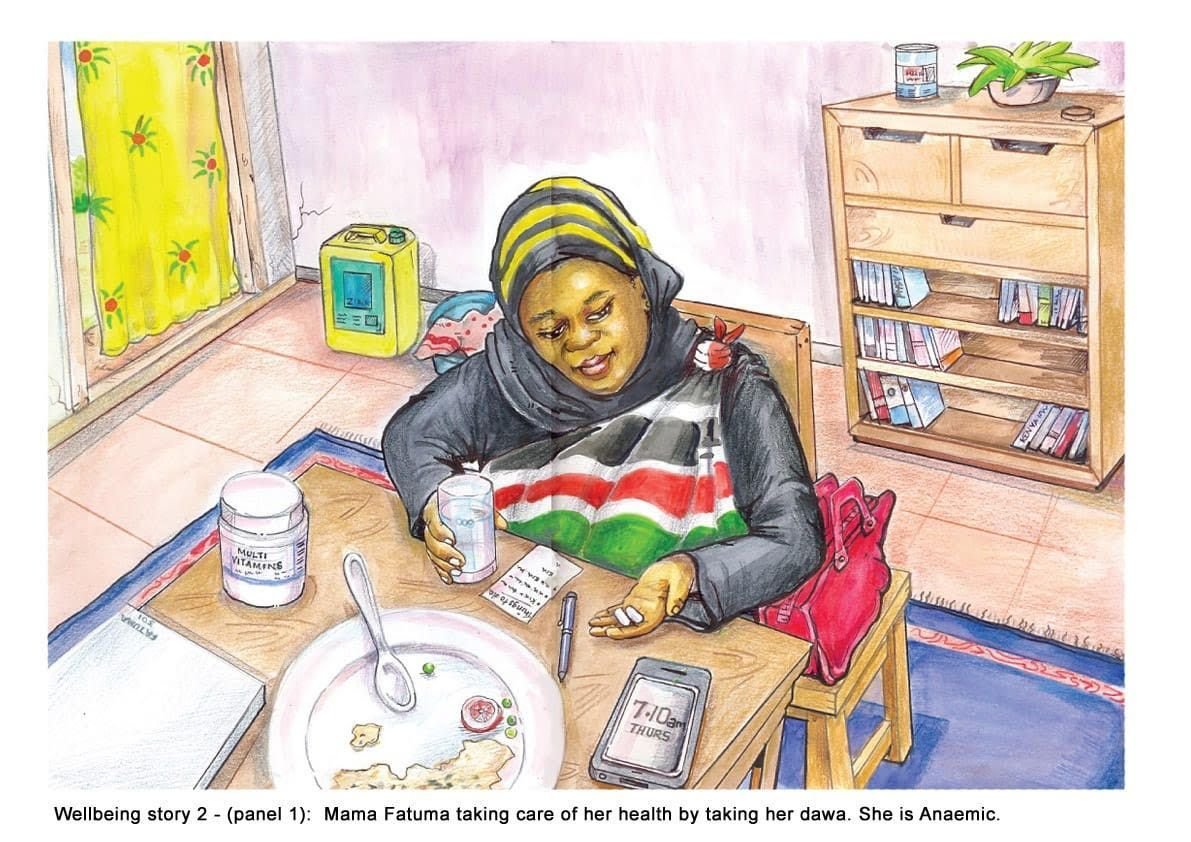
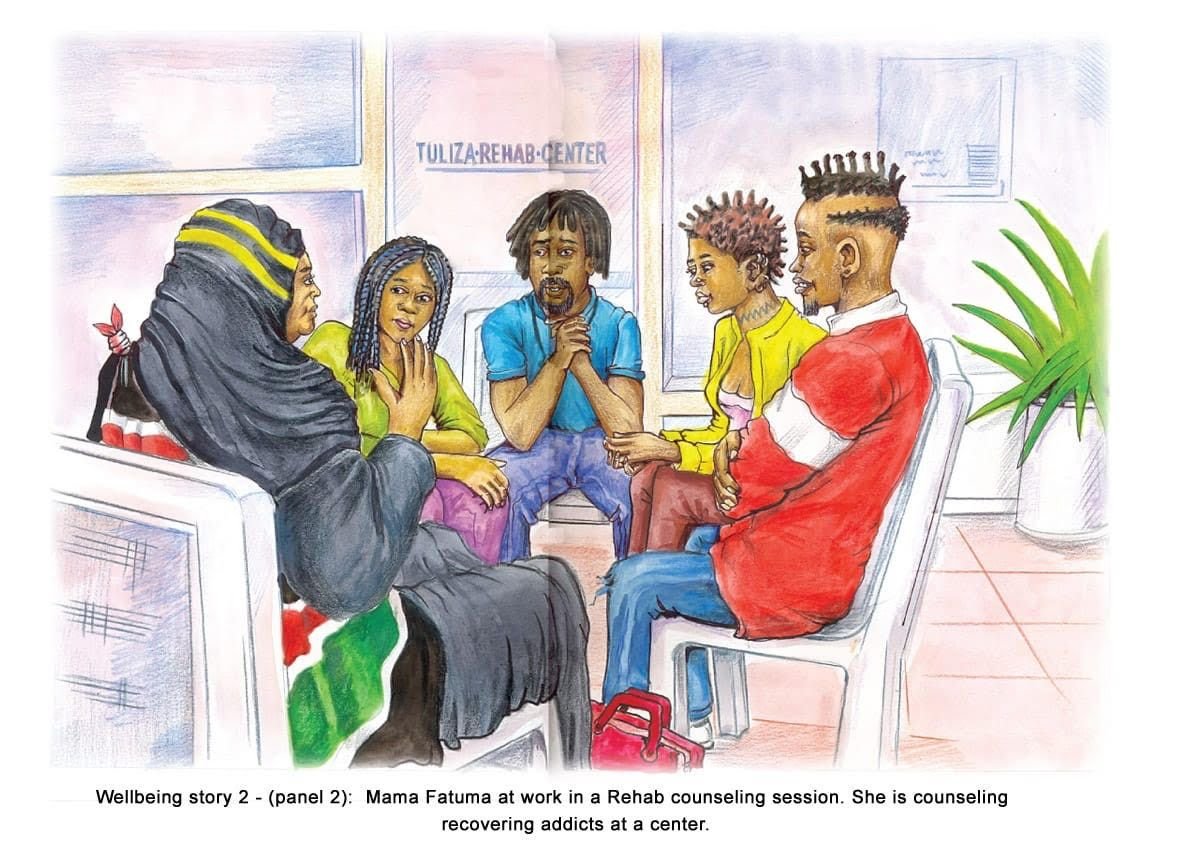
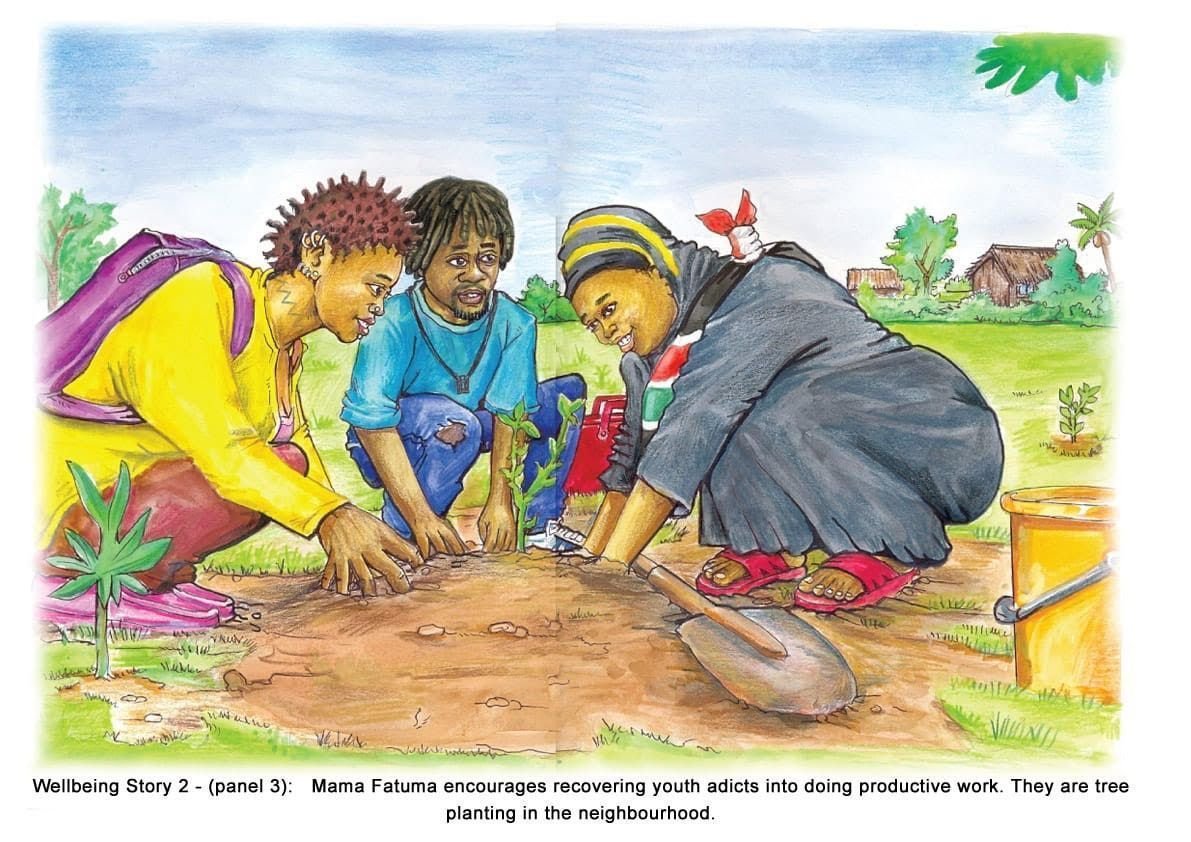
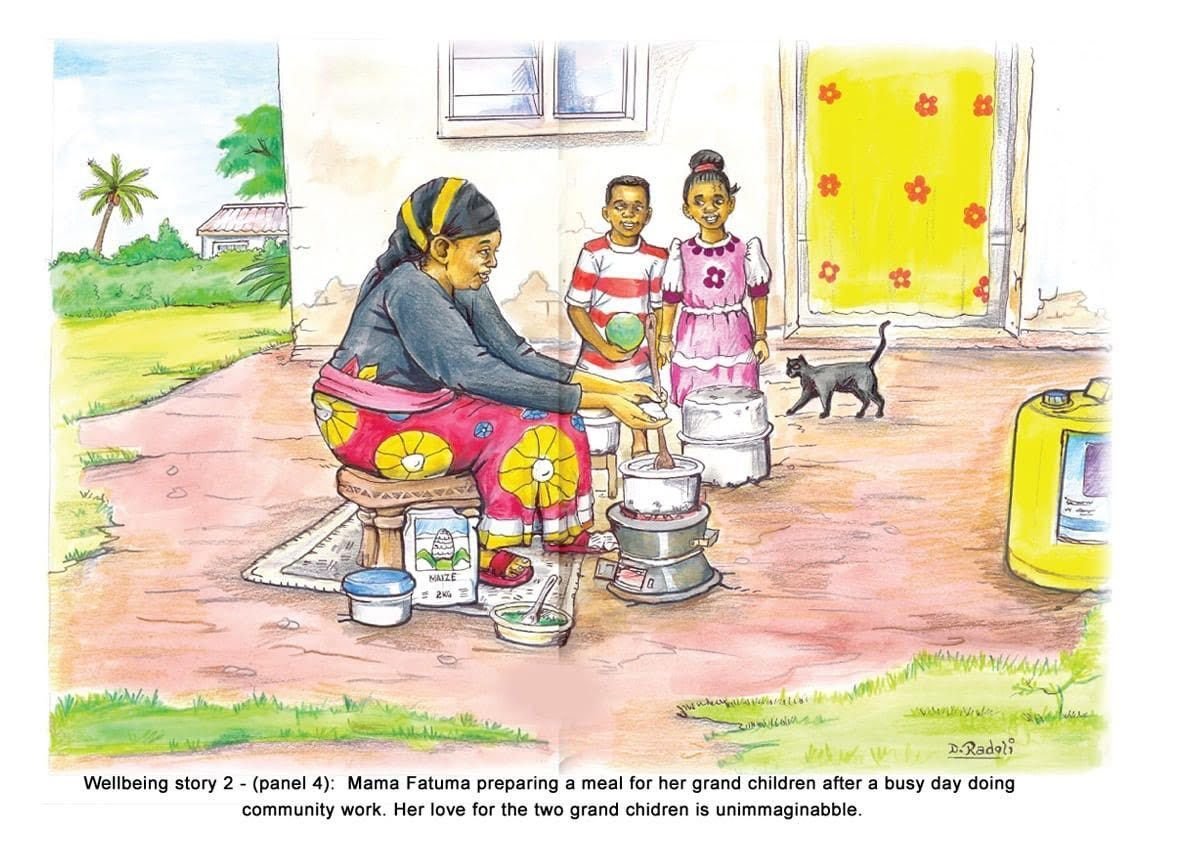
Please tell us about these individual stories that the artists have created.
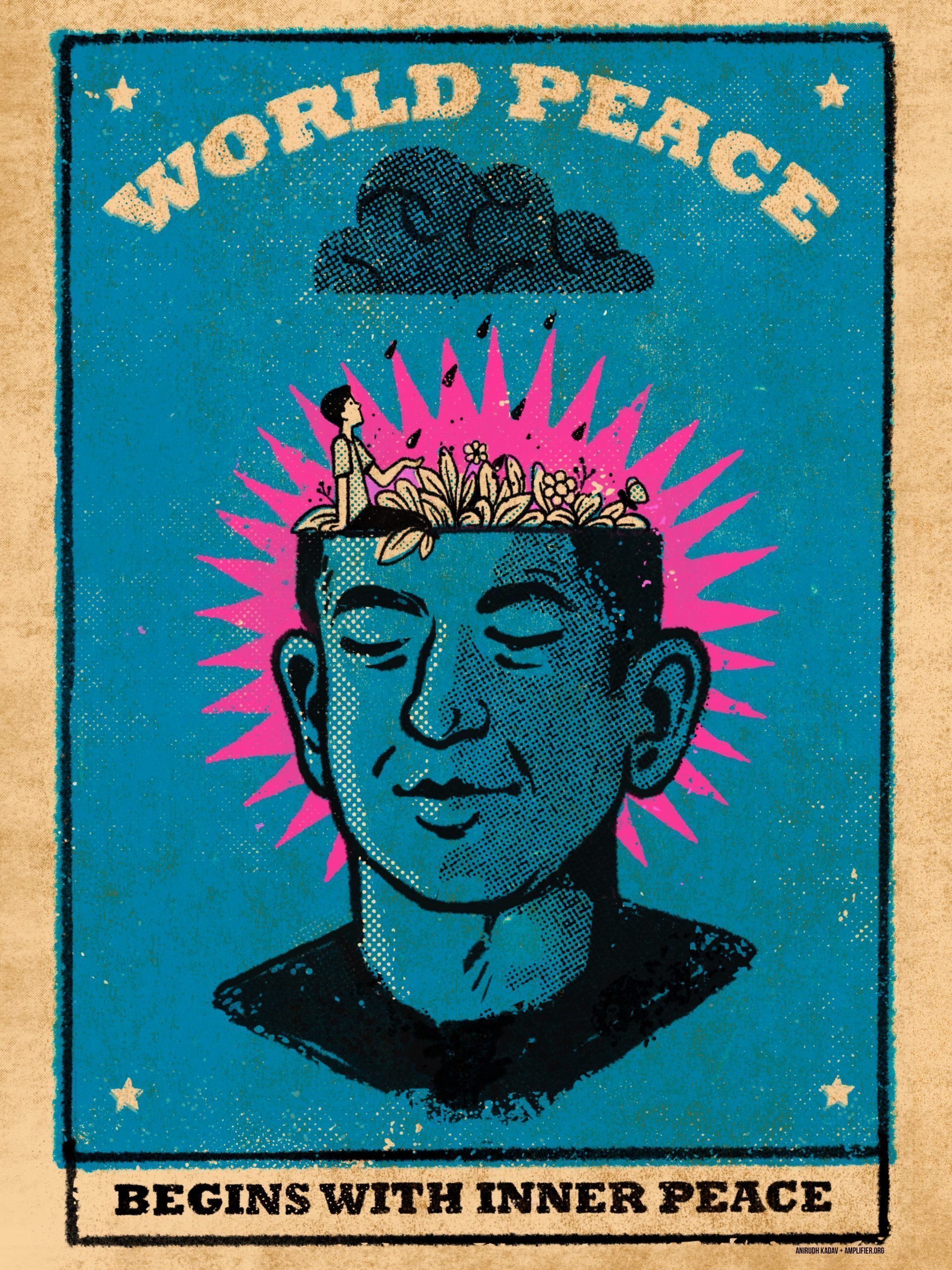
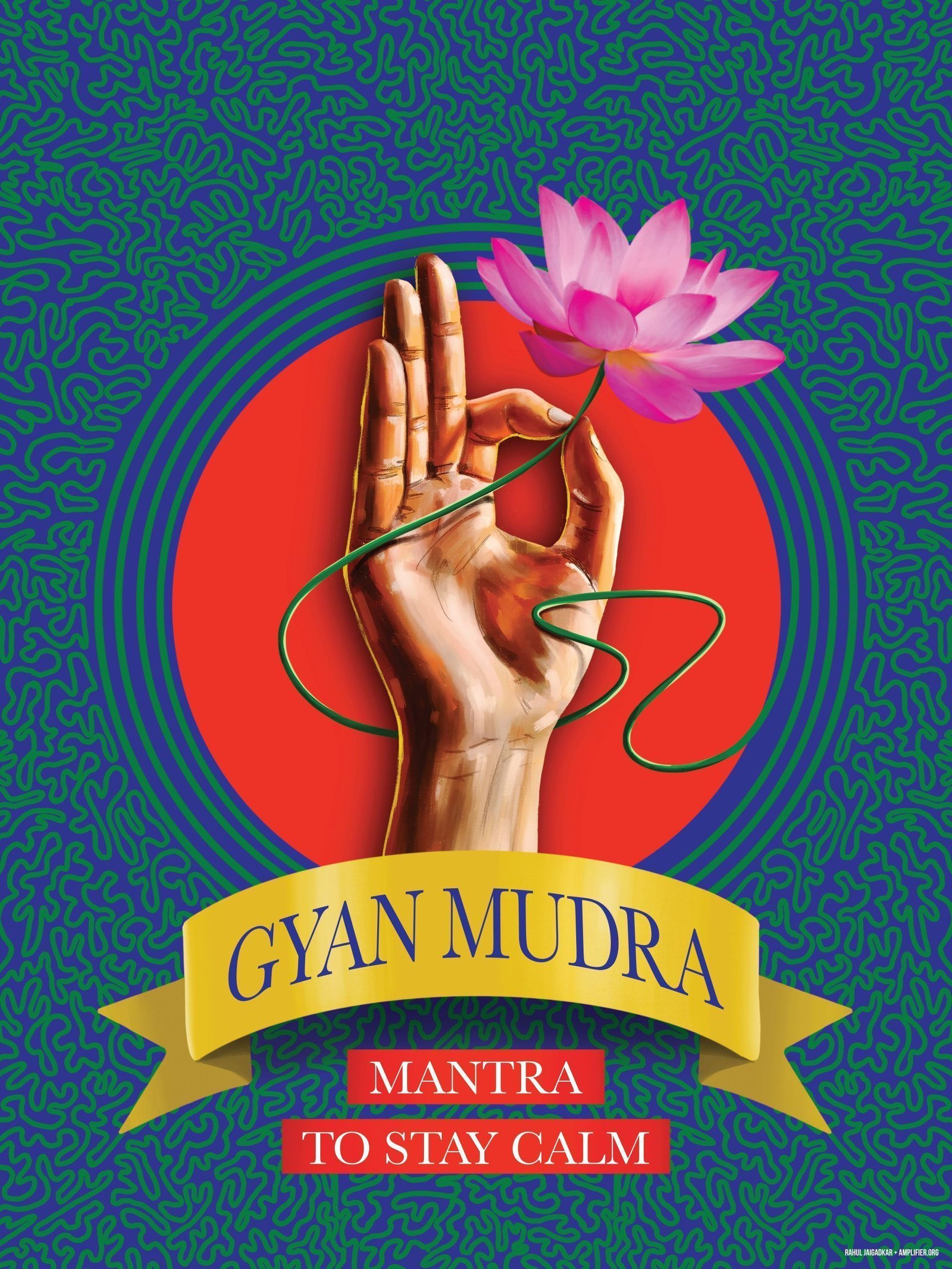
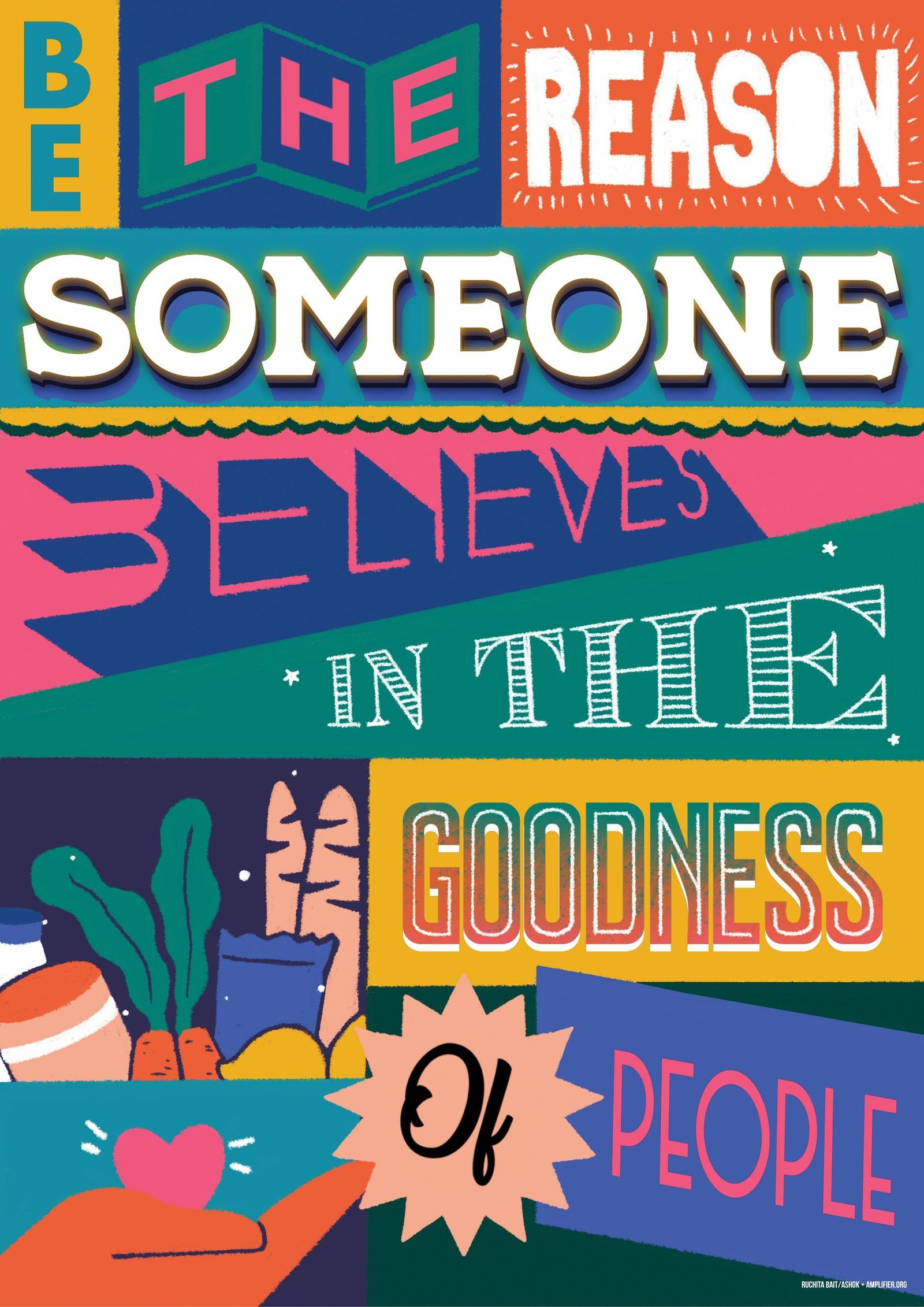
The artists were given a summary of The Wellbeing Project’s research on “Wellbeing for social entrepreneurs.” From reading the research, the artists developed a set of stories.
The two artists were from Kenya and South Sudan, GSN has worked with both several times in the past.
David Radoli grew up in Mombasa but went to school in Nairobi. He is a graduate of the Technical University of Kenya. Radoli, as he prefers to be called, has been in the media/art industry for over 18 years. He has extensive experience in publishing, advertising, storyboarding and copyrighting. Due to his versatility in arts, he has worked for McCann Erickson, a leading advertising agency. Radoli has a strong preference for working with ink, pen, and watercolors. He has a passion for painting human figures and is an excellent caricaturist.
Deng Majid Chol Deng recalls drawing at home and enjoying pictures in the books at school. He improved his drawing skills initially by copying the picture and was encouraged by his family, who liked his drawings of daily life. Later, he gained a scholarship to study at Nasser University in Tripoli, Libya. It was a totally new environment for him and he was struck by the uniformity of opinions. After initially working using his Chemistry degree, he became connected with The Roots Project in 2011 and now displays his paintings there as well as holding exhibits in other locations.
What is the value of using artists to communicate on this subject?
An artist interprets a story based on his/her own life experiences. Images which emerge are not prescriptive and allow those who view them, their own interpretations based on their own life experiences. Two people can look at the same painting and each sees a completely different story in the painting.
What is wellbeing for GSN?
Wellbeing is an approach targeting the emotional, cognitive, physical, spiritual and social aspects of the human experience. It is about feeling happy, healthy, socially connected, and purposeful.
Are there any learnings you would like to share with other organizations and communities?
1. Healing is a critical part of stabilization, development, governance, and peacebuilding processes. Finding a way to work through personal pain can support the larger communities healing process.
2. For the leaders of the social change movements, understand that what you experience continues impacting you — your ability to love, show emotions and empathy. Do not let the violence and adversity you are challenging change you to be someone you are not. Take the time for your own self-care and connect to a larger community of changemakers. Take the time you need with your family and other friends. Find joy outside of your work. And be kind and lovely to yourself.
How can people connect with GSN?
Follow our work on our website — we will be starting a new blog shortly about the stories of transformation taking place in our programs.
Or on:
Facebook Twitter Instagram
PERSONAL, INNER DEVELOPMENT TO BUILD STRONG DEMOCRACIES. PERSONAL, INNER DEVELOPMENT TO BUILD STRONG DEMOCRACIES.

By Tomas Björkman
Co-author with Lene Andersen of The Nordic Secret (2017) Stockholm: Fri Tanke Förlag
In our current turbulent times of algorithms, globalisation, Brexit and Trump, we need to ask questions like: How do societies go through major technological, economic, and structural changes peacefully?
In the middle of the 19th century, Denmark, Norway and Sweden were very poor, agrarian and authoritarian societies. Due to starvation and miserable living conditions, about 20% of the working population in Sweden emigrated to the US during the second half of this century.
Just a few generations later, already before the Second World War, Denmark, Norway and Sweden were amongst the richest and happiest countries in the world. They had managed to transition from poor, agrarian, and authoritarian societies to rich, industrialised democracies. Compared to other countries, in Europe and elsewhere, their transitions from traditional to modern societies were outstandingly successful. How did this happen? What can we learn from this when we today are facing an equally large societal transition from national industrial societies to a global digital world?
In Lene Andersen’s and my recent book The Nordic Secret, we tell the story of visionary Nordic intellectuals and politicians who knew that in times of uncertainty and rapid change, people tend to look for an external authority to anchor themselves. We did it back then, and we are doing it today again. But, around the turn of the last century, these visionary leaders did not want to promote dogma or authoritarian leadership. They were committed to building democracy and they knew that the only way to build truly stable democracies is to build them from the bottom up.
These visionaries wanted to enable a large part of the population to become active co-creators of democracy and for this purpose they enabled state sponsored – but not state organised – retreat centres all over the Nordic countries. At the turn of the last century there were about 100 retreat centres like this in Denmark, 75 in Norway, and 150 in Sweden.
Here, young adults with a few years of work experience, mainly from the working class or farming parts of the population, could spend up to six months with the expressed goal of not being politically indoctrinated, but rather encouraged to find their own inner compass. To find themselves and in so doing be able to resist the siren’s call of extremism in any form. To be able to hold the complexity of rapid social change in contemplation, and even become active co-creators of the emerging new social order. A hundred years ago, up to ten percent of each generation of young adults participated in these programmes.
Today’s developmental psychologists would say that the aim of the retreats was to help the participants become “self-authoring”. To help them take that crucial psychological developmental step from being externally guided in their values and purpose to becoming grounded enough in themselves to author their own values and meaning.
In addition to this, the retreats gave the participants knowledge of current technological developments in farming and manufacturing, a feeling for the participants’ place in societal evolution of tradition and history, and basic tools for organising civic movements and activism.
So, where did these – even for our times – radical ideas come from?
The philosophical and psychological insights came from the German idealist philosophers. Schiller, Goethe, von Humboldt, Herder and others were read by almost all Nordic intellectuals back then. These philosophers had all reacted against the Enlightenment’s view of our mind as a fixed, rational machine. They pointed out that our mind is embodied in the totality of our bodies and embedded in our culture. And that our mind is a complex organic system under lifelong development. Views that are today confirmed by scientific research. One of the most important steps in this lifelong development of our mind during adulthood is to become “self-authoring”.
These philosophers lived, thought and wrote in the years after the French revolution and came to the conclusion that the only way to avoid future bloodbaths – like the ones that followed the revolution that they all had placed high hopes in – was for a large portion of the population to develop “self-authoring” capabilities. Unfortunately, few of us do this without conscious effort.
After the 1848 revolutions in Germany, no one in responsible positions in that country dared to implement these ideas on a broader scale. Instead, these ideas travelled to Denmark and from there to Norway and then to Sweden. It was in these Nordic countries that originally German ideas about the connection between personal, inner development, and societal change came to be implemented on a large scale.
Today, not many – not even in the Nordic countries – know this fascinating part of our history of nation building. That is why we call it The Nordic Secret. The retreat centre still exists and continue to receive massive state funding. They are called “Folk High Schools”. But after the Second World War, the focus on personal, inner development, and democracy building was lost. Our Folk High Schools are now mainly used for adult education and training. We reverted again to the Enlightenment’s view of the fixed, rational mind, with democracy now mostly taken for granted too.
We are now at a point in history were we – again – could use some of the insights that were instrumental in building the modern Nordic nations. Neuroscience, adult developmental psychology, and behavioural economics are all today confirming that the idea of “rational man” or “homo economicus” is flawed. This old understanding of our mind can actually dangerously undermine society and democracy. We need – again – to focus on the lifelong development of our minds and of our inner worlds. We need again to focus on the development of our consciousness.
We need to support the development of not just a few visionaries and leaders. Large parts of our populations need to develop secure inner foundations and the independence of mind needed to hold, and take part in, the complexity of our current societal transformation. We need to empower all those who want to become active co-creators of the new social order that needs to be born. This can only be done through deep inner work, reflection, and dialogue.
STORIES FROM THE SUMMER WELLBEING LABSTORIES FROM THE SUMMER WELLBEING LAB

It was the autumnal equinox and summer held on a bit longer to greet eleven young changemakers from nine countries and welcome them to our Summer Wellbeing Lab in Brisighella, Italy. Over the course of 2.5 days, we turned the Agriturismo Ca’ di Mezzo into a space for relaxation, exploration, reflection, and action.
“Beautiful environment, delicious food, rich culture, and meaningful conversations are only a part of the recipes that I tasted this weekend. Two days felt like two weeks because of the in-depth ways I was able to look within and understand the way I connect with the world. This retreat was deeply thought-provoking and inspiring; I am truly happy and grateful.” (Hyewon Rho)
As I explored in one of my previous posts, “Wellbeing labs: spaces to savour wellbeing recipes”, our immersive wellbeing retreats invite participants to our kitchen to taste the different ingredients of wellbeing through our recipes for the mind, body, heart, and soul. What’s unique about our kitchen is that everyone contributes: participants personalise the wellbeing menu they wish to experience in order to meet their wellbeing nutritional needs.
And here is a little bit of a taste of the wellbeing menu we savoured in Italy last month…
Connection with ourselves
One of the main intentions behind many recipes we tasted was to enable participants to increase their self-awareness and to deepen their connection with their own mind, body, heart, and soul. Most of them had walked into the retreat after weeks of exhausting work and intense travelling (despite the summer holidays) and were feeling stretched right to the edge. Others had reached fascinating yet uncertain turning points in their personal and professional lives and were wobbling, unsure about where to go next. And some landed knowing that they needed to make some drastic changes to their lifestyle to avoid burnout.
All this considered, it is with gentleness and kindness that we explored recipes such as “managing stress”, “strengthening your immune system”, and “finding your inner refuge”, to create a space for self-care and self-compassion. One participant reported how these practices allowed them to get deeper into meditation and reach a state where they mind does not “run away” from the struggles and does not get exhausted and overwhelmed.
Connection with others
Whilst deepening this connection with themselves, our participants also worked on expanding their circle of empathy to include others in the group (and beyond). The realisation that individual wellbeing is intrinsically linked with collective wellbeing gave them the courage to take a step forward into compassion towards others. In fact, contrary to what many of us think, shielding ourselves from discomfort and pain causes us to suffer. Separation becomes like a prison that limits our ability to care for others outside our inner circle of compassion.
So we challenged our participants to apply the encouragement offered by the 16th Gyalwa Karmapa: “You take it all in. You let the pain of the world touch your heart and you turn it into compassion.” Our participants engaged with recipes such as “unlimited empathy”, “the wheel of burnout”, and the “privilege walk” to feel into the lives of others and to use that understanding to guide their actions. For instance, one participant shared that their favourite recipe was the privilege walk because it opened their eyes to how privileged they are but also offered them insights into how they can use it to create positive change in society.
Connection with the land
Importantly, all of this individual and collective inner work happened with the acknowledgment that we are not separate from Nature; we are Nature. Reclaiming our interconnectedness with Nature is critical for changemakers to break away from the patterns of the old paradigm, driven by fear and scarcity, to embrace life’s abundance. To rekindle this innate wisdom, we guided our participants through Nature-immersed recipes such as “walking meditation”, but also created several opportunities for them to appreciate the richness of the land that hosted our retreat.
For example, we hosted an olive oil tasting with Mr Franco Spada, the current President of the Consortium of “Brisighella” Extra-Virgin Olive Oil Producers and of the Regional Association of Olive Oil Producers. Mr Spada led us through a rich experience where we learned how to (really) taste olive oil and savoured Brisighella’s top three products. We didn’t stop at the olive oil though! We also enjoyed a wine tasting experience with our host Mr Claudio Delle Fabbriche, who shared his expertise as a producer of Albana and Sangiovese, two local wines. And we also interacted with Brisighella mayor Davide Missiroli, who told us the story of this Medieval town and shared his passion for his community. These are some of the elements that contributed to create a safe and nurturing space for our participants to cultivate their wellbeing.
“The Summer Wellbeing Lab has been the perfect experience to recharge my batteries and get ready for all that is about to begin. Not only have I learnt more about what wellbeing means to me, but I’ve also had the great opportunity to discover a wonderful corner of my beautiful Italy. We focussed on collective and individual practices to foster our wellbeing in all aspects of our life – be it at work, with our families, or any other setting. I highly recommend it to all changemakers and people who want to keep giving at their best!” (Luisa Meneghetti)
I am immensely grateful for the opportunity to have hosted our Summer Wellbeing Lab in the place I call home. The positive feedback received from our participants increases my confidence to start planning our next Wellbeing Lab!
WE ARE THRILLED TO START EXPLORING THE ISSUE OF INNER WELLBEING IN THE FIELD OF SOCIAL CHANGE MORE BROADLY – LOOKING AT “HOW ARE WE DOING?” – TOGETHER WITH IMPACT HUB AND THE FORD FOUNDATION, WHO ARE TWO KEY ANCHORS WITHIN THIS 6-MONTH SURVEY PROCESS.WE ARE THRILLED TO START EXPLORING THE ISSUE OF INNER WELLBEING IN THE FIELD OF SOCIAL CHANGE MORE BROADLY – LOOKING AT “HOW ARE WE DOING?” – TOGETHER WITH IMPACT HUB AND THE FORD FOUNDATION, WHO ARE TWO KEY ANCHORS WITHIN THIS 6-MONTH SURVEY PROCESS.

This survey entails the following key aspects:
-It gradually unfolds in 6 stages to explore the inner wellbeing of social changemakers playing many different roles within different organizations and movements.
-Shares learnings along the way, both with participants and our community, as well as building a broader picture following the survey process
-Has a global reach that uncovers and provides insights from all parts of the world.
-Reaches out to over 12,000 people, resulting in a superb and heterogeneous sample with a wide diversity in backgrounds
In addition to Impact Hub and the Ford Foundations’ networks, we will also reach out to organizations, people, groups that make up our Ecosystem Network and members of our Learning Partner Group. By doing this, we aim to create a first iteration of exploring the theme of Wellbeing in a broader fashion.
Further information on the research methodology:
We will apply a Delphi approach, where a group of participants with shared experiences and knowledge is identified and questioned, using both open- and closed-ended questions. The results are analysed and subsequently fed back to participants so that they can better visualize the similarities and differences with other responses from the group. Each of the 6 rounds is followed by a similar analysis.
Stay tuned!
THE NEED TO PRIORITIZE WELL-BEING FOR ALL CHANGEMAKERS IS MORE CLEAR THAN EVERTHE NEED TO PRIORITIZE WELL-BEING FOR ALL CHANGEMAKERS IS MORE CLEAR THAN EVER

By Aaron Pereira
We are really excited to partner with Arianna and her wonderful team at Thrive Global. One of the many ways in which Arianna is so compelling is her focus on making wellbeing accessible through small steps we can all take. And at the same time connecting that to the lifelong journey that is inner wellbeing, grounding it all with science, and as well connecting this issue with all the forces shaping our society.
The essence of The Wellbeing Project can be summed up as: wellbeing inspires welldoing. Its an exploration of the profound connection between how our relationship with ourselves deeply influences the way we are in the world. We are seeing how the issue of inner wellbeing is a pressing need in the field of social change.
The need to prioritise this for all changemakers is more clear than ever. And moreover, we are deeply convinced that doing so will unlock more of the extraordinary collaboration and innovation we need to address our great social and environmental challenges.
In our collaboration with Thrive we will be exploring groundbreaking research, looking at how to consider wellbeing in our fast paced technological world, hearing from leading changemakers who will be sharing their own stories personally and vulnerably. And we will also be looking at the many different ways that we can all take small steps to have a more nourishing life. We are excited about all these threads, and looking forward to hearing your feedback !