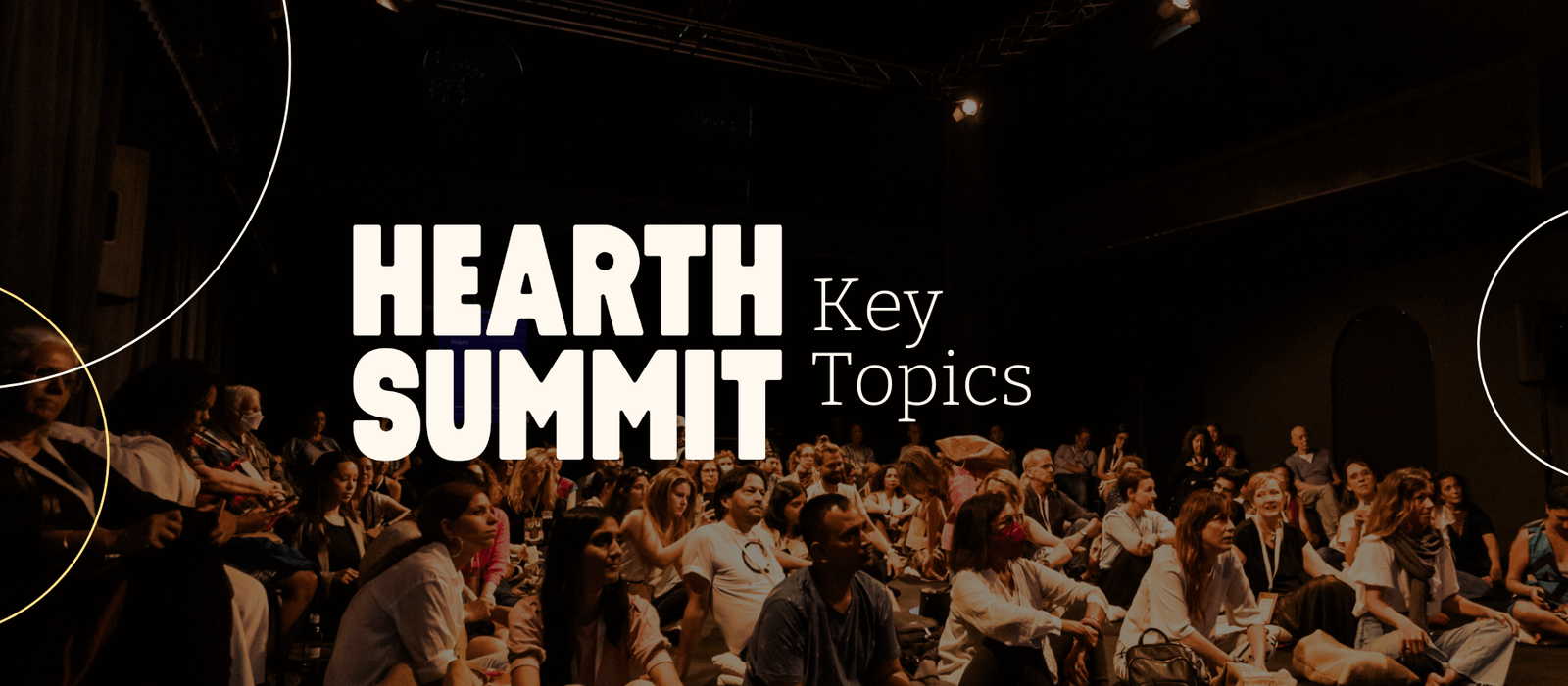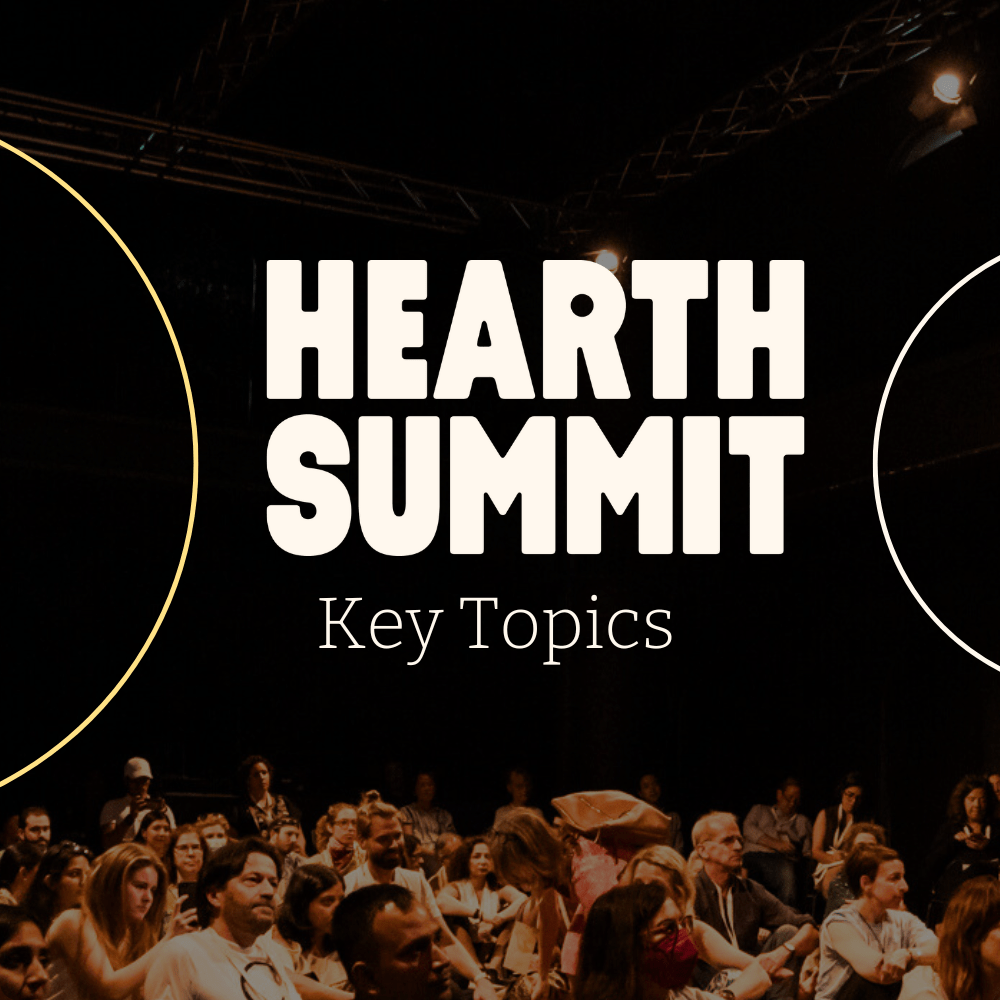
Key Topics Key Topics

Ecological Belonging

The global Hearth Summit is an opportunity for us to remember, renew, and reweave our sense of connection to ourselves, each other, and the Earth. It is the culmination of the local to the global to the universal; the soil from which ideas can grow and change can blossom. Learnings from our Ecological Belonging fellowship, elders, wisdom-holders, ritual artists, and experts and activists from various fields will facilitate our journey of discovery and delight. We will discover the interconnectedness of everything and contemplate how it does and can take form in all parts of life – from education to architecture to social networks and more.

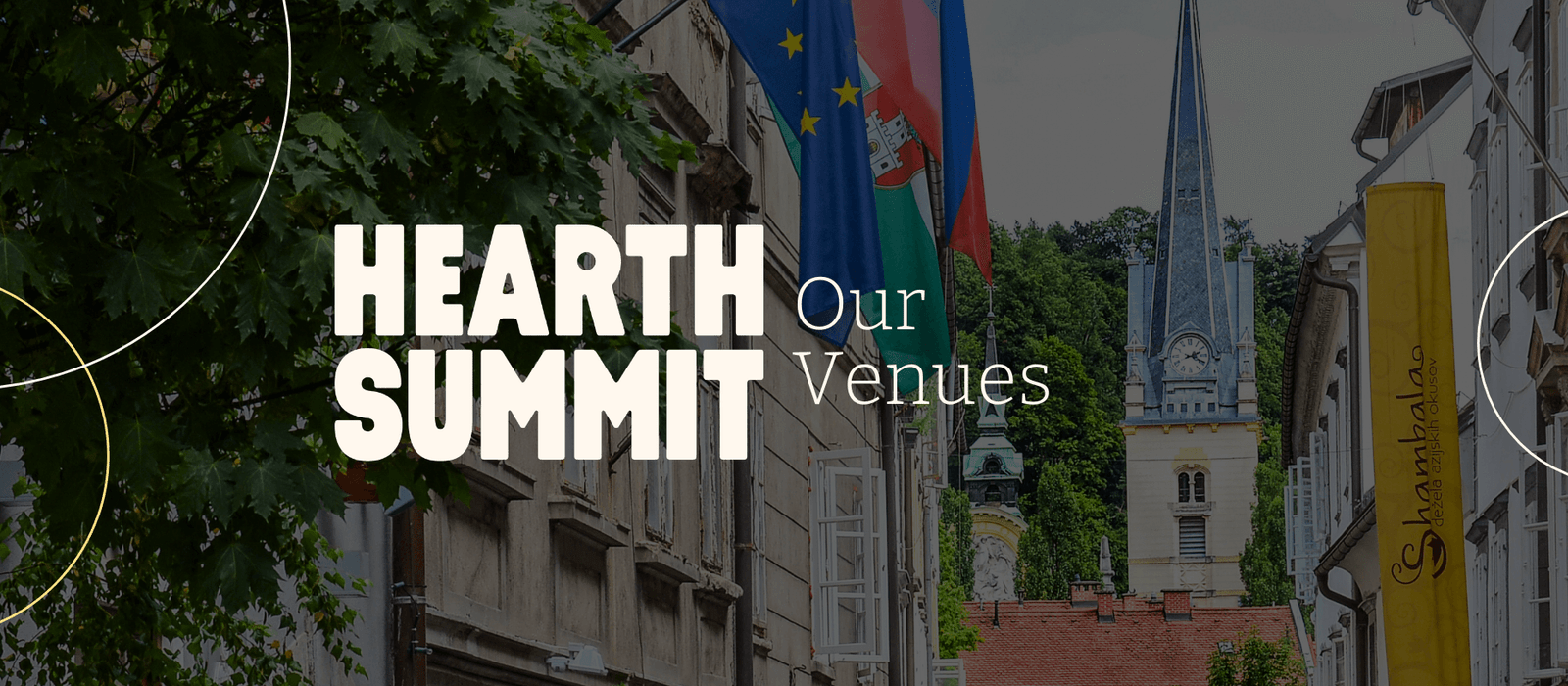
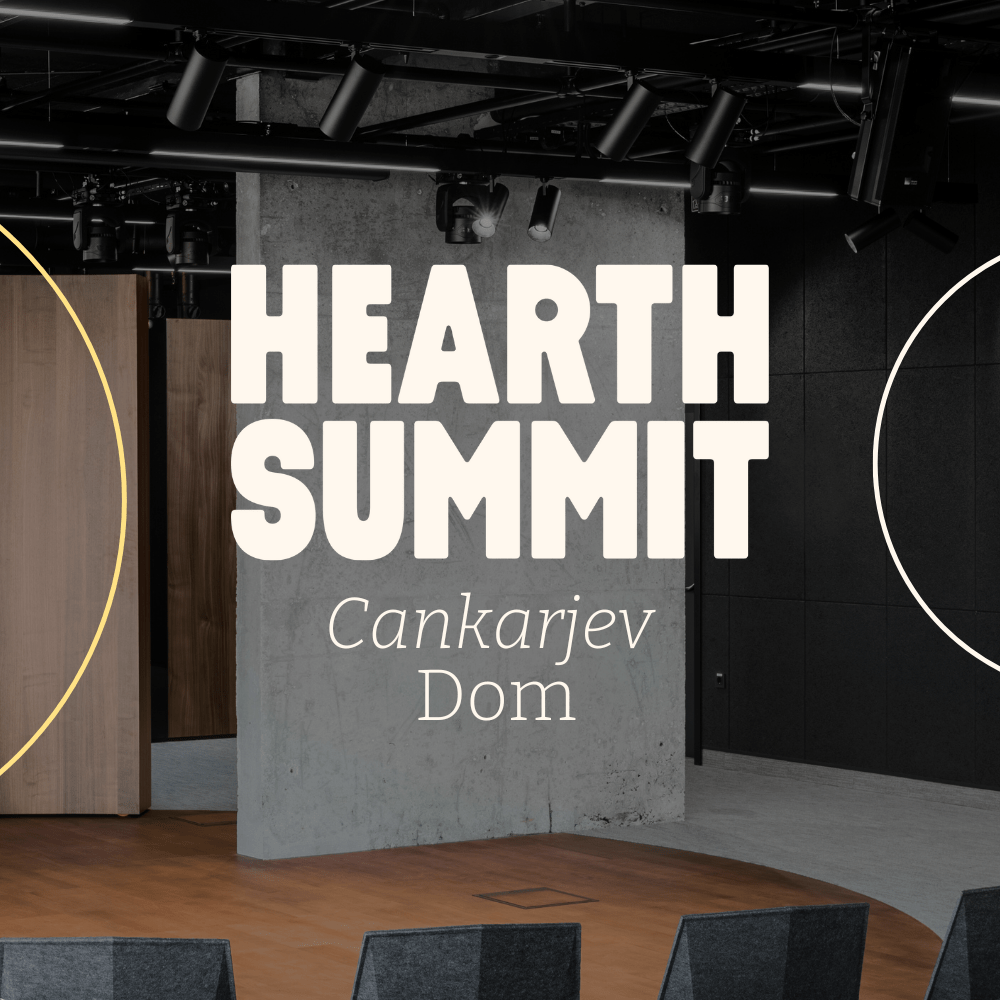
Immersed in the halls of Cankarjev Dom, Ljubljana’s cultural centre, we will also be inspired by the city’s dedication to preserving, celebrating, and sharing the traditions of Slovenia’s colourful cultural heritage.

DISCOVER MORE STORIES DISCOVER MORE STORIES

And research about Ecological Belonging from around the world:

How To Attend The Hearth Summit? How To Attend The Hearth Summit?

Attendance at the Hearth Summit will be by invitation only. We are committed to creating a welcoming, diverse, and inclusive environment for all attendees, and this will only be possible by a careful curation process of our invitations.

However, if you think you should be there, please apply and tell us why! We will carefully consider all expressions of interest, and we will reply individually to all submissions in due course. Please note that submitting the “Express Your Interest’ form does not guarantee an invitation.

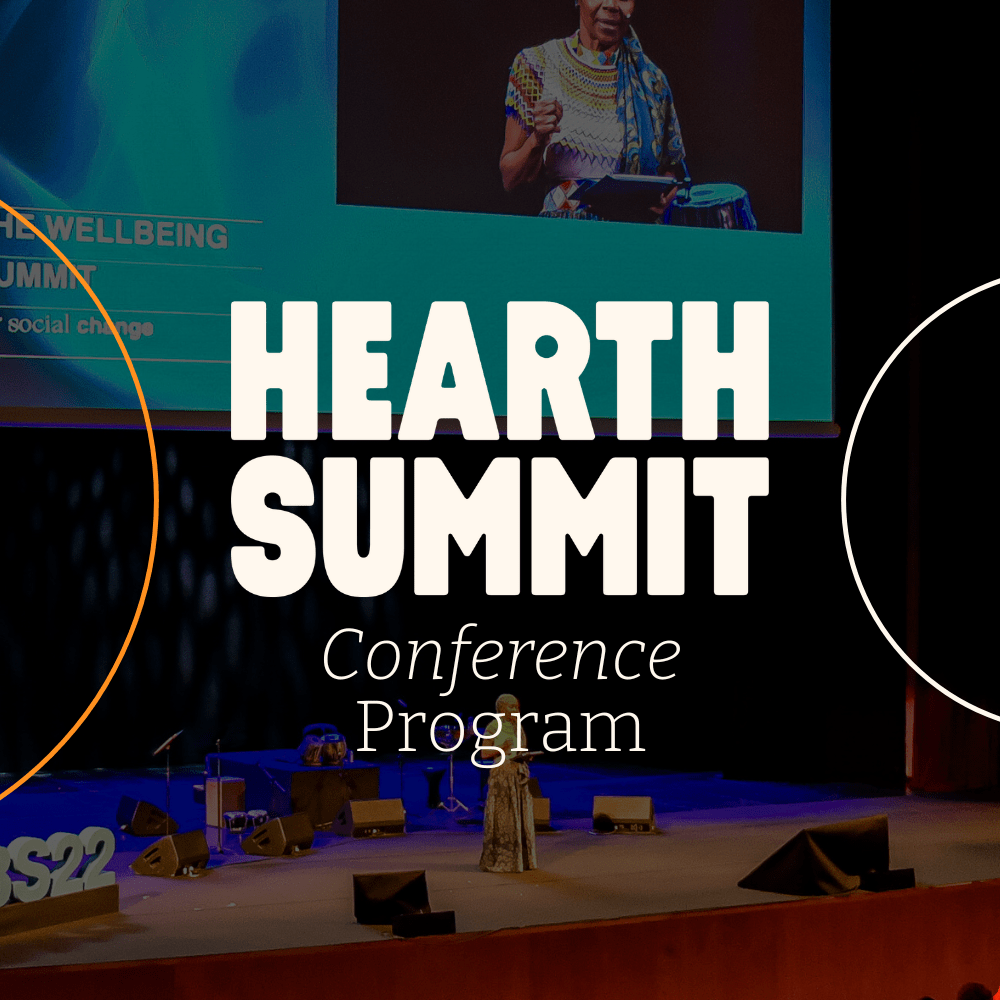
Conference Program Conference Program

Our sessions will highlight the connections between individual, organisational, societal and ecological wellbeing. Speakers and artists will delve into how a deeply embedded culture of wellbeing can alter and inform our approach to driving positive systemic change

The conference is split across four days and will include ground-breaking talks, conversations and panel discussions with cultural, scientific, governmental and social change leaders from around the world. Topics will range from Individual to Ecological Wellbeing; Humanising Technology and Artificial Intelligence; Intergenerational Trauma; Sacred Economy and Business for Good; Governance and Democracy; Peace Building and Reconciliation; Cities, Architecture and Belonging; Neuroscience, and more, approached through the lens of ecological belonging

We also offer break-out sessions and workshops of different sizes – from larger deep-dive sessions to more intimate interactive workshops – that will explore the different themes and topics through conversations, experiences and the arts, but also give tools for meaningful action and impact.

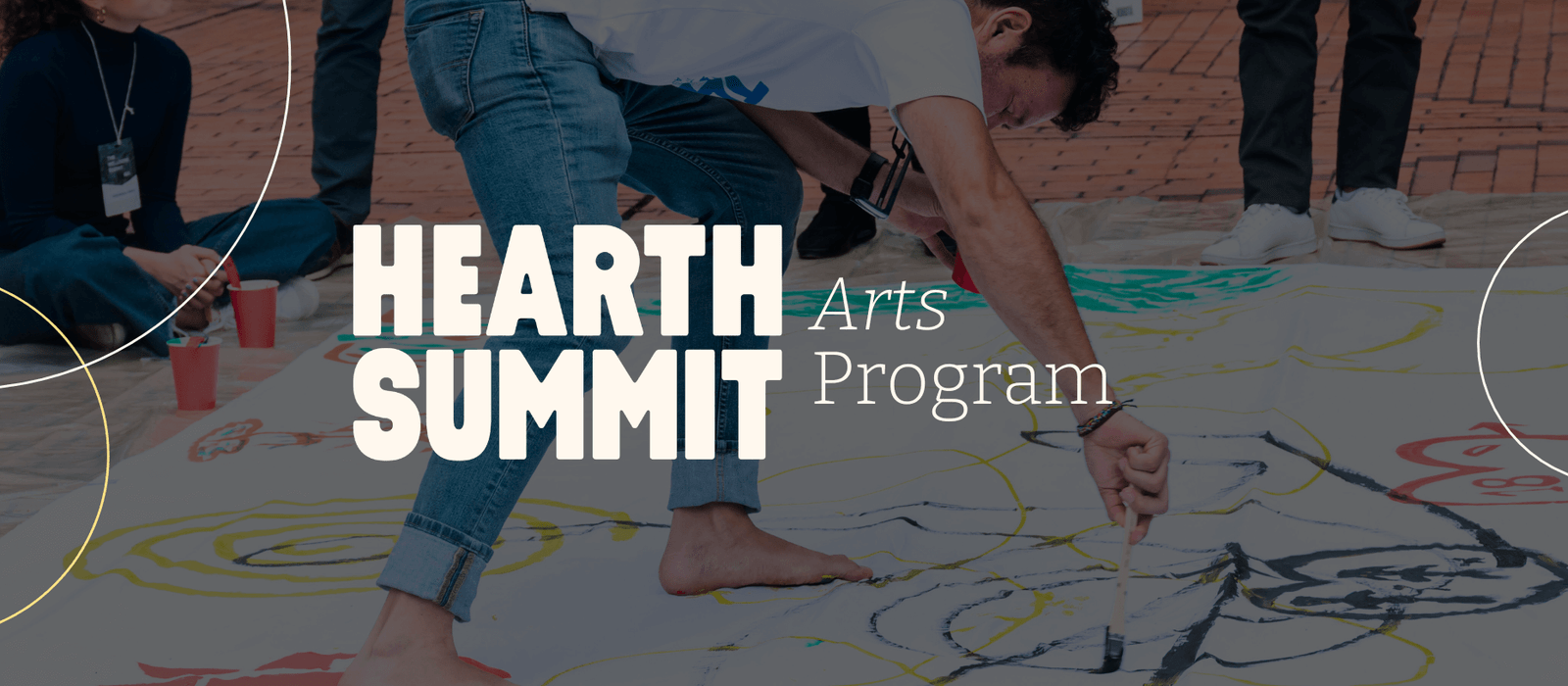
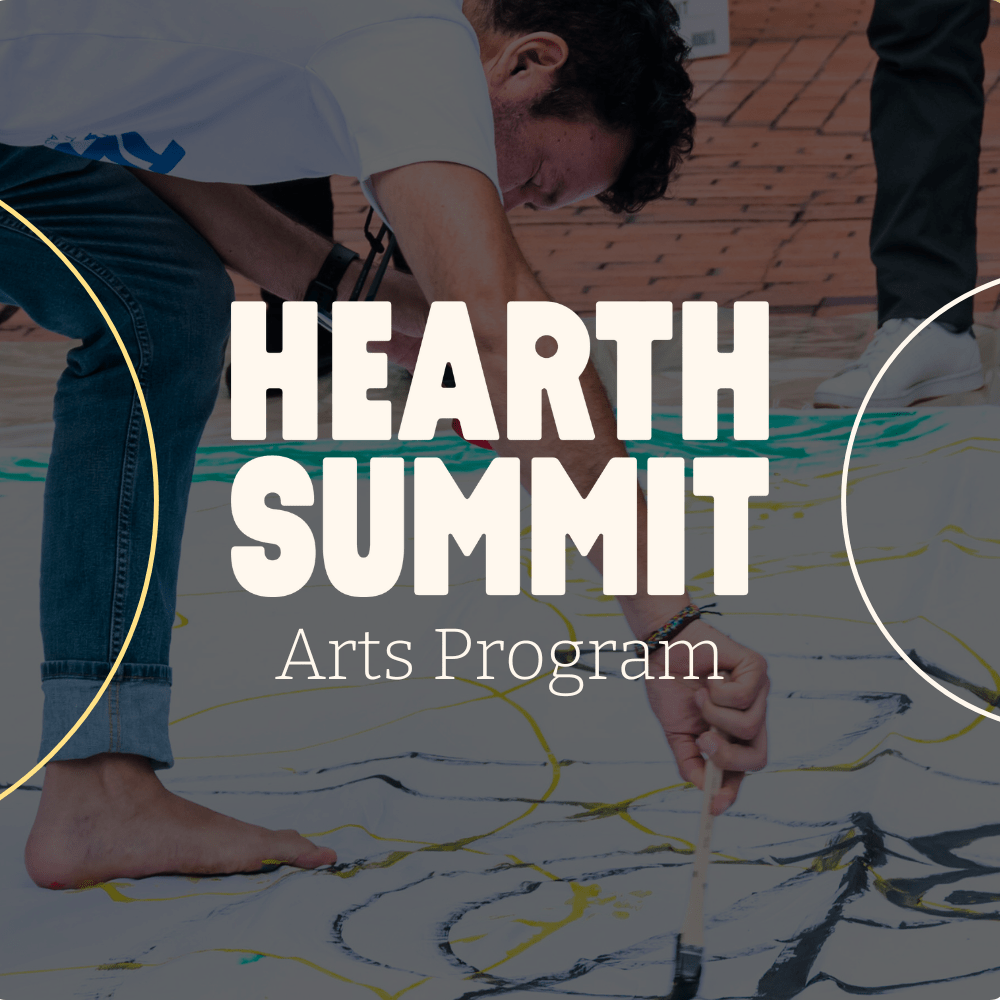
Arts Arts Program

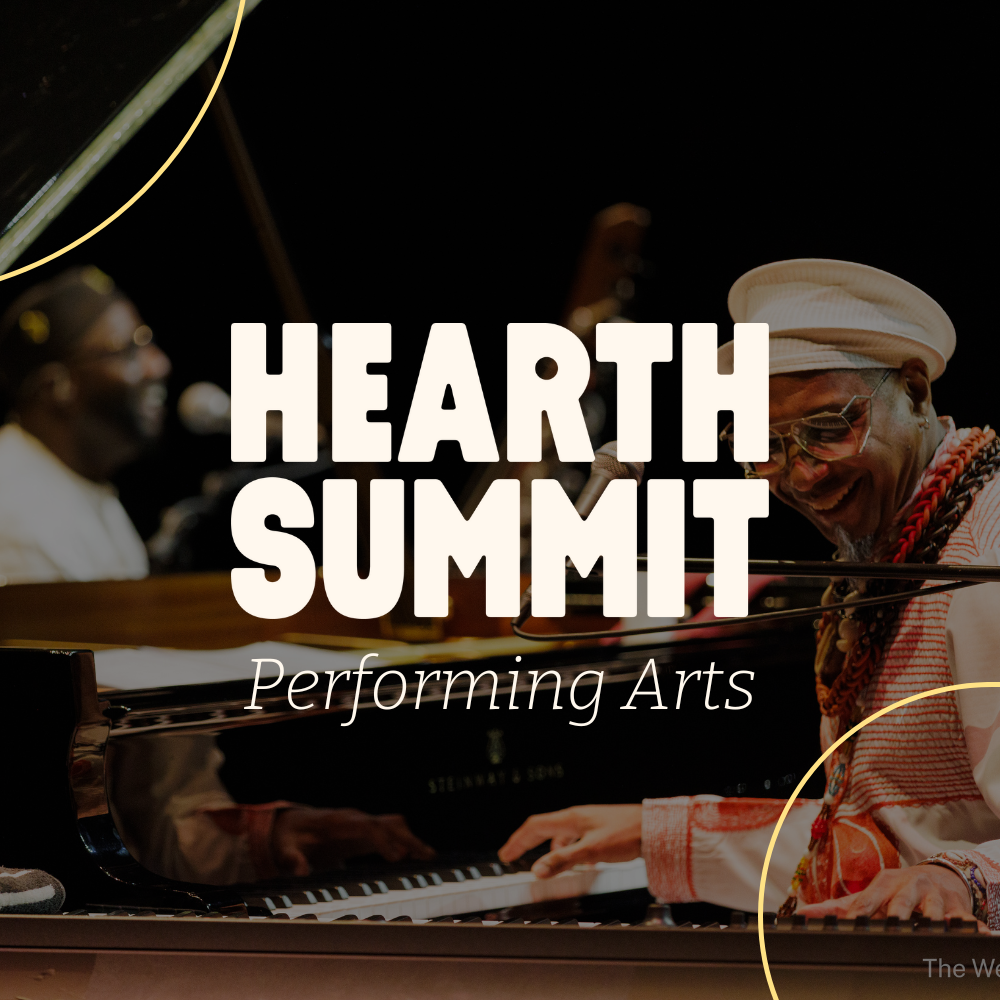
A prestigious and comprehensive visual and performing arts program will invite attendees to embark on a transformative creative journey together. The program will include newly commissioned works by renowned international artists, along with music, theatre, and dance performances, multi-disciplinary interactive experiences, and workshops, all integrated both inside and outside the Summit sessions. 

Immersive artworks will take guests on an emotional and interactive journey to connect deeply with themselves, collectively, and with the natural world, while cultivating a sense of shared purpose and community through the arts.

In the lead up to the artistic program, many of the artists participate in creative residencies or undertake planning and research visits to the city as part of the creative process to develop art that challenges assumptions and builds community at a local and global level.

DRAGON NEST – CHENG TSUNG FENG

Center Rog Park

Taiwanese artist, Cheng Tsung Feng,  bridges the past with the present through his deep exploration of traditional craftsmanship. Drawing inspiration from ancient cultures, his works tell stories of handmade memories, while pushing boundaries of creativity with modern techniques.  In honor of the traditions and stories of Ljubljana, Feng has created a nest for the mythical dragon–a creature both nurturing and protective, fiery and gentle. Visit the nest, sit inside, be renewed and reborn. 

TENT – CHIARA CAMONI

Križanke Church

Born in Piacenza, Italy, and working in the Apuan Alps of Tuscany, Chiara Camoni creates connections with people, places, and plants. Her practice engages a shifting, spontaneous group of friends, family, and others who shape the work alongside her.  In Ljubljana,  she is working with Krater, the artist collective that embraces regenerative practices and alliances to open eyes to nature and each other anew. Camoni’s installation of silks dyed with the natural pigments of local plants, invites all to immerse themselves in an environment of belonging.

THE MIRROR OF PEACE – RENEE VAN BAVEL

Park Sveta Evrope

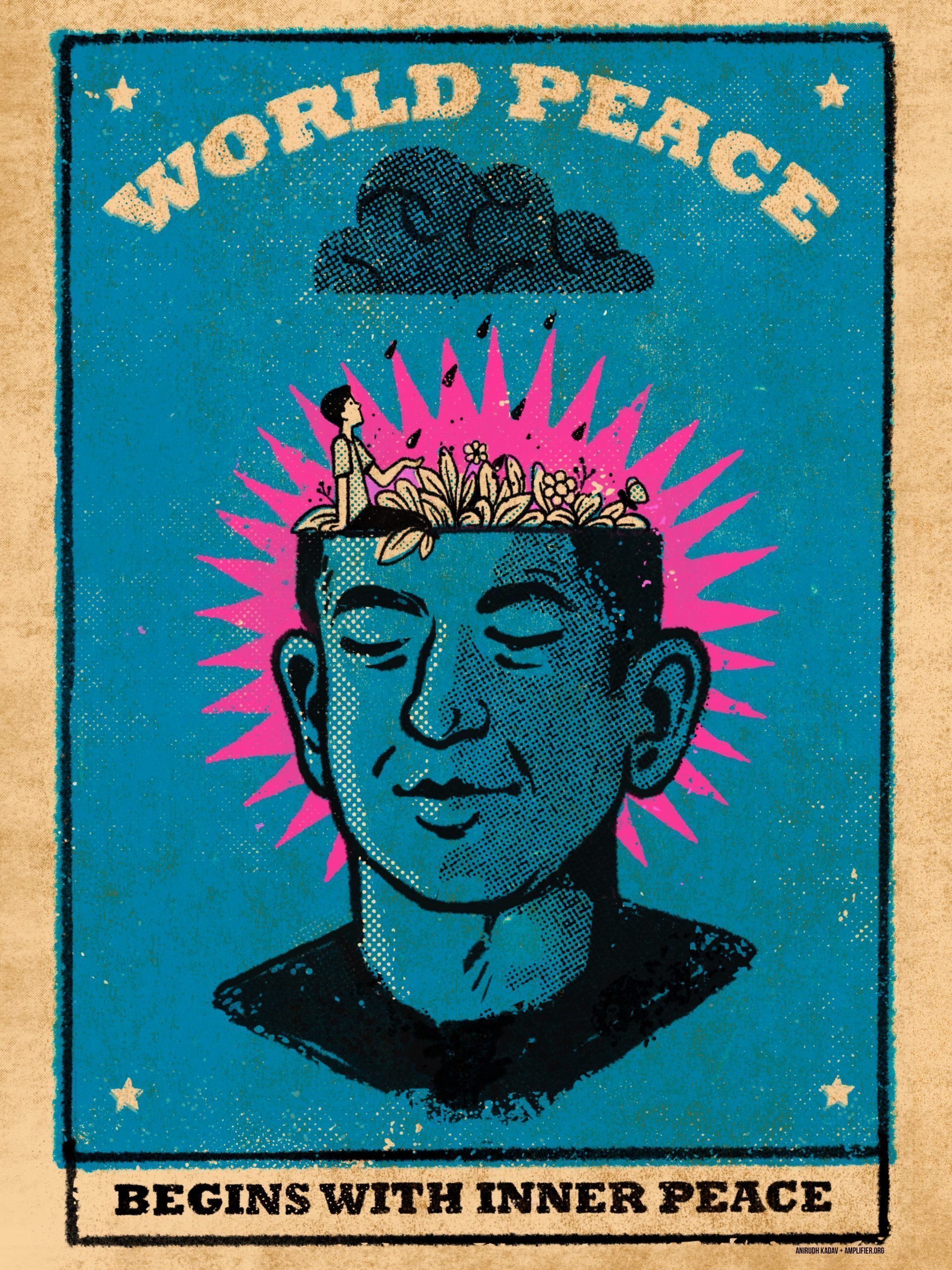
Based in Berlin,Dutch artist Renee van Bavel, creates timely work asking the urgent questions: What does peace look like? And how can we protect it?  Her reflective wall, THE MIRROR OF PEACE is a spatial monument that invites the viewer to have a personal experience with peace.  While looking at their reflection, viewers read: “This is what people living in peace look like.”  A life lived in peace cannot be taken for granted, and we must act consciously, every day, to preserve it.  

EYES AS BIG AS PLATES – KAROLINE HJORTH & RIITTA IKONEN

Cankarjev Dom – Homebase – Floor 0

Eyes as Big as Plates captures the poetry of age, nature, and identity. 

It is an ongoing exploration of relations across beings, challenging conventional narratives on how humans relate to their surroundings across diverse cultures and landscapes. 

The evocative portraits reframing older adults as wise figures connects us back to the natural world.

Through a combination of photography, wearable sculpture, action research and activism, the Norwegian-Finnish artist duo calls for a collective and synchronized environmental stewardship.

Voices Voices

Speakers, Artists and Hosts

The brightest minds and the most engaging artists from around the world will take the stage to guide our reflections and discussions around the Hearth, through talks, panel discussions, conversations, workshops, embodied practices and artistic experiences. These incredible voices will co-create a holistic and multi-faceted view of wellbeing and social change with their diverse perspectives from different backgrounds, cultures and traditions.

[mk_button dimension=”flat” size=”large” url=”https://wellbeing-project.org/hearth-summit-why-ljubljana/” align=”center” fullwidth=”true” bg_color=”#4f0020″ btn_hover_bg=”#F1BAF7″ btn_hover_txt_color=”#4f0020″]WHY LJUBLJANA?[/mk_button]

[mk_button dimension=”flat” size=”large” url=”https://wellbeing-project.org/hearth-summit-program-at-a-glance/” align=”center” fullwidth=”true” bg_color=”#4f0020″ btn_hover_bg=”#ff8f43″]PROGRAM[/mk_button]

[mk_button dimension=”flat” size=”large” url=”https://wellbeing-project.org/hearth-summit-speakers/” align=”center” fullwidth=”true” bg_color=”#4f0020″ btn_hover_bg=”#ffe285″ btn_hover_txt_color=”#4f0020″]SPEAKERS[/mk_button]

[mk_button dimension=”flat” size=”large” url=”https://wellbeing-project.org/hearth-summit-artists/” align=”center” fullwidth=”true” bg_color=”#4f0020″ btn_hover_bg=”#f1baf7″ btn_hover_txt_color=”#4f0020″]ARTISTS[/mk_button]

[mk_button dimension=”flat” size=”large” url=”https://wellbeing-project.org/hearth-summit-more-information/” align=”center” fullwidth=”true” bg_color=”#4f0020″ btn_hover_bg=”#7f7352″]MORE INFO[/mk_button]

Program At A Glance

At the heart of wellbeing and social change, the Hearth Summit is a convening of minds and voices to foster new approaches for transforming the world.

Keynote sessions, panels, workshops, fireside chats, but also embodied practices, artistic experiences and interactive sessions, will explore the issues and challenges that matter most to today’s changemakers. We will celebrate successes and innovations, evaluate obstacles, and envision opportunities for action in a collective dialogue nourished by local insights and global trends. Fueled by insightful research, innovative methodologies, case studies, traditional wisdom, and much more, it’s a moment to learn, share, reflect, and dream – a vantage point to see the next chapter of social change.

We will emerge inspired by one another, continuing our social changemaking with new knowledge and imagined possibilities.

Get ready to embark on this journey towards a whole new culture of social change.

[mk_button dimension=”flat” size=”large” url=”https://wellbeing-project.org/hearth-summit-why-ljubljana/” align=”center” fullwidth=”true” bg_color=”#4f0020″ btn_hover_bg=”#F1BAF7″ btn_hover_txt_color=”#4f0020″]WHY LJUBLJANA?[/mk_button]
[mk_button dimension=”flat” size=”large” url=”https://wellbeing-project.org/hearth-summit-program-at-a-glance/” align=”center” fullwidth=”true” bg_color=”#4f0020″ btn_hover_bg=”#ff8f43″]PROGRAM[/mk_button]
[mk_button dimension=”flat” size=”large” url=”https://wellbeing-project.org/hearth-summit-speakers/” align=”center” fullwidth=”true” bg_color=”#4f0020″ btn_hover_bg=”#ffe285″ btn_hover_txt_color=”#4f0020″]SPEAKERS[/mk_button]
[mk_button dimension=”flat” size=”large” url=”https://wellbeing-project.org/hearth-summit-artists/” align=”center” fullwidth=”true” bg_color=”#4f0020″ btn_hover_bg=”#f1baf7″ btn_hover_txt_color=”#4f0020″]ARTISTS[/mk_button]
[mk_button dimension=”flat” size=”large” url=”https://wellbeing-project.org/hearth-summit-more-information/” align=”center” fullwidth=”true” bg_color=”#4f0020″ btn_hover_bg=”#7f7352″]MORE INFO[/mk_button]
Why Ljubljana?

A Global Hub for Sustainable Innovation and Cultural Heritage

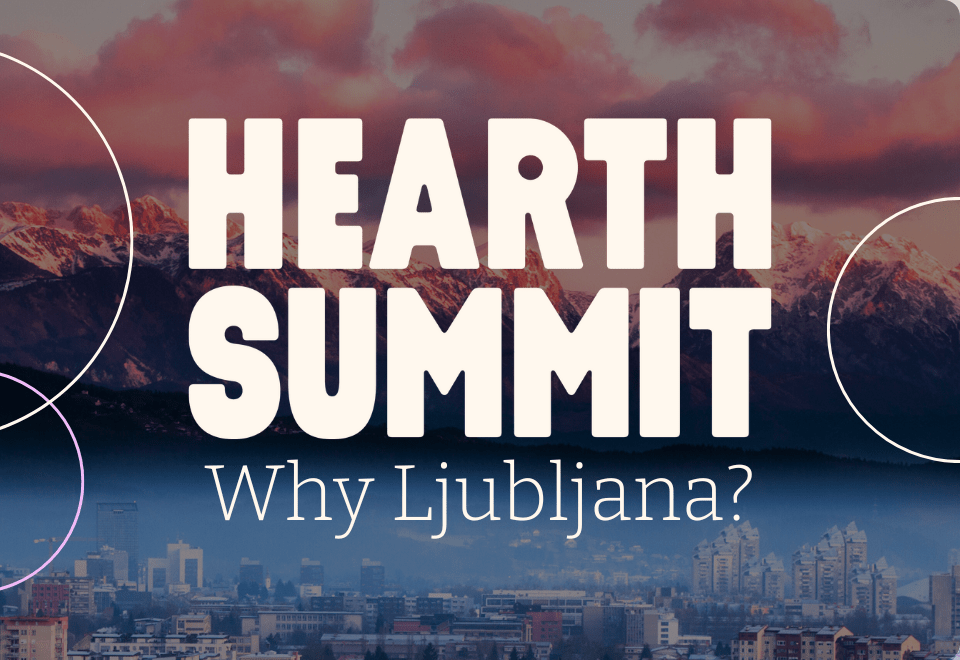
The global Hearth Summit unites changemakers from around the world in the vibrant city of Ljubljana, the capital of Slovenia, in the heart of Europe! Ljubljana is a dynamic hub for sustainable development, cultural celebration, civic engagement, and community wellbeing. This magical city, with its rich cultural heritage and setting amidst majestic rivers and forests, sets the stage for our exploration of one of our main topics, Ecological Belonging. Here, changemakers will become enchanted by the city’s lively atmosphere and inspired by its innovations in social and environmental sustainability.

In recent years Ljubljana has been celebrated for its cultural scene and leadership in urban sustainability, receiving many renowned titles such as European Best Destination, European Best City Break, European Green Capital, UNESCO City of Literature, and the first capital city with a Zero Waste Goal.

Beloved by residents, Ljubljana’s diverse community welcomes you with open arms.

More on Ljubljana

[mk_button dimension=”flat” size=”medium” url=”https://wellbeing-project.org/hearth-summit-how-to-prepare/” align=”center” fullwidth=”true” bg_color=”#4f0020″ btn_hover_bg=”#f1baf7″ btn_hover_txt_color=”#4f0020″]LEARN MORE[/mk_button]
[mk_button dimension=”flat” size=”medium” url=”https://wellbeing-project.org/hearth-summit-our-venues/” align=”center” fullwidth=”true” bg_color=”#4f0020″ btn_hover_bg=”#ffe285″ btn_hover_txt_color=”#4f0020″]LEARN MORE[/mk_button]
[mk_button dimension=”flat” size=”medium” url=”https://wellbeing-project.org/hearth-summit-experience-ljubljana/” align=”center” fullwidth=”true” bg_color=”#4f0020″ btn_hover_bg=”#ff8f43″ btn_hover_txt_color=”#4f0020″]LEARN MORE[/mk_button]

AT THE HEART OF IT – EPISODE 1

Satish Kumar

A Lifetime of Love

In this inaugural episode of our series, we’re honored to feature Satish Kumar, a renowned peace activist, former monk, Editor Emeritus of Resurgence & Ecologist Magazine, and founder of Schumacher College. Satish captured global attention in 1962 by walking 8,000 miles without money from India to the nuclear capitals of Moscow, Paris, London, and Washington, D.C., advocating against the use of atomic weapons. His journey, spanning over two and a half years, ignited crucial conversations about nuclear disarmament, human rights, and environmental wellbeing.

Now at 87, Satish continues to inspire as an author, speaker, and elder with organizations like The Wellbeing Project. In a special conversation recorded in Paris’s Parc des Buttes-Chaumont, he shares insights on wellbeing and his vision for the future. Let’s get to the heart of it.

Let's dive right in! Let's dive right in!

LISTEN TO EPISODE 1

Resources Resources

From This Episode

Full episode transcript Full episode transcript

This transcript has been edited for clarity

Welcome to At the Heart of It, a podcast where we explore issues at the heart of our world’s biggest challenges and their solutions. We’re on a journey inward going into ourselves, reflecting on who we are listening to humanity’s collective story. Our guides are the visionary leaders, activists, scholars, and practitioners who are changing the world and whose own inner journeys of wellbeing inspire their welldoing.

Today’s guest is someone whose lifelong work is an inspiration for this podcast. Satish Kumar is a peace pilgrim, activist, and former monk who gained international recognition in 1962 for walking, on foot, with no money, from his home in India to what were then the four capitals of the nuclear world, Moscow, Paris, London, and Washington, D.C., to protest the use of atomic weapons. This journey of more than 8,000 miles over two and a half years not only sparked dialogues on nuclear disarmament, but also its interconnection with human rights, ecology and human and planetary wellbeing.

Today, at 87 years young, Satish continues to share messages of peace, hope, and compassion with the world as an author, editor, speaker, educator, and elder of many organizations, including The Wellbeing Project.

In a special conversation recorded in the Parc Butte Chaumont of Paris, Satish reflected on the role of wellbeing in his work and his vision for the future. Let’s get to the heart of it.

Madelaine VanDerHeyden (MV):  All right. Well, welcome to the podcast. Today I have a very special guest here with me. We’re sitting in the beautiful in Paris. It’s a gorgeous spring day, the sun is shining, the birds are out, the dogs are out, the flowers are starting to bloom. And I’m sitting here next to Satish Kumar. Satish, welcome.

Satish Kumar (SK): Thank you. My pleasure to be on your podcast. 

MV: Thank you, Satish. Now, Satish, you know The Wellbeing Project’s motto. What we believe is that wellbeing inspires welldoing. And you have had a very, very exciting, meaningful,  long career of welldoing. And I want to know a little bit about your inner wellbeing journey. Can you tell us about what that has been like for you? 

SK: Yes. I am now 87 years old and I feel very well in my body, in my mind, in my spirit. And I think the source of my wellbeing is my connection with the earth and also with my inner spirit. I was born in Rajasthan, in India. And when I was four years old, my father died. And so my mother was crying, my sisters were crying, my brothers were crying, and I could not understand what was going on. Why father is not moving? Why is he not walking? Why is he not talking? And so I asked my mother, what’s happening? Why are you crying? And why is father not speaking? And so she said, your father is now dead. I said, what is dead? When one is dead, one doesn’t speak, and one is gone, and you never speak with that person again, she said. So that was a big shock in my life. And so I start to think about death from age four years old. And I started to ask, is there a way of stopping people dying? And that led me to my Jain guru, whom I asked, is there a way to stop people dying? 

And after a bit of thought, he said to me, the only way to stop this cycle of birth and death is to renounce the world. And so, become a monk. I decided to become a monk. So at age nine, I left home and I became a monk. And as a monk, you have to walk with bare feet. Be in nature. So I was walking in the sand dunes, along the rivers, among the trees, the open sky.

And so that is how kind of my spiritual and physical wellbeing started. And then, after nine years in monkhood, I left monkhood and I joined a Gandhian ashram, a community in India. And I lived there more as a kind of social and physical work, like art, craft, gardening, cooking, agriculture, service to community. So Gandhian values of nonviolence and peace. That was my kind of main ethos and main pilgrimage for another nine years. And then when I was 26 years old, I was inspired by a great British philosopher, Bertrand Russell, the Nobel Prize winning author of Principal Mathematical. And so he was protesting against the nuclear bomb.  

MV: In what year was this?  

SK: That was in 1961. So, in 1961, he was protesting against the nuclear bomb and he was arrested and he was put in jail. And when I read this news in the newspaper, I said to myself, “Here is a man of 90 going to jail for peace in the world. What am I doing, young man, sitting here drinking coffee in a coffee house?” And so that inspired me and led me to set off with a friend on a walk from India to four nuclear capitals of the world. Moscow, Paris, London, and Washington, D. C. And so a friend, And I started to walk without any money. Both of us walked through many countries – 15 countries, 13,000 kilometers – without any money, and meeting ordinary people, talking to politicians, talking to journalists, talking to students in universities and schools, talking to religious people in churches and mosques. And so I encountered people and communities and communities and farmers and workers and politicians around the world. So two and a half years of that peace pilgrimage from New Delhi, from the grave of Mahatma Gandhi to Washington, DC, the grave of John F. Kennedy. That was a great, great journey. And then I went back to India and then I wrote a book about my journey.

I translated the book by Martin Luther King, The Stride Toward Freedom, the book which Martin Luther King had given me. So I wanted to introduce his ideas to Indian readers. And so I translated that book. And then, I came back to England. In 1973, I became the editor of Resurgence magazine and I edited that magazine for more than 40 years. And during that time, I also started Schumacher College, for ecological and spiritual studies and studies of wellbeing. And so that has been my life, in a nutshell. Long journey. Long story.  

MV: But Satish, you, I mean, you shared obviously you have your pilgrimage walk that you did as a young man. That must not have been easy walking all the way around the world. And wellbeing is not only about acknowledging things that go well in life, but also acknowledging the things that are hard. So in, in your experience, have there been any highs? Have there been any lows? How have you dealt with those as they come as they go?

SK: I mean, I tried to practice equanimity, so of course there have been highs and lows. The nuclear threat was very, very, powerful and unsettling and the Cold War was very unsettling and the kind of conflict between the Soviet Union and the United States of America and NATO countries, all that were very unsettling. Yet I thought that answer to all our problems is love. And so we have to practice love. We have to spread the love. And I also see, when I see low, I also see high. A majority of people in the world are not involved in Cold War. The majority of people are not involved in nuclear bombs. The majority of people are not fighting wars. The majority of people are farmers, teachers, doctors, nurses, artists, musicians, everyday people, they are living  good life and practicing more love than hatred in everyday life.

So that gives me a bit more inspiration. So I try to have a kind of balanced view rather than get exhausted, anxious; rather than get depressed and fearful that everything is going bad in the world. Of course things are going in the in the world which are bad and I do my best and I act out of love rather than out of fear. I act out of love rather than anxiety because my job is to do my best. I cannot control the outcome. I cannot control what will be the result. I can only control my actions. My words, my thoughts, my speech, and my actions. So, everyday, my focus is on action. What can I do? Not how the world is, but how can I serve the world? How can I make the world a little bit better place than before? And so with that, I work and by not worrying, not being anxious, not being fearful, not being angry, that also keeps me healthy and well. 

MV: Well, it’s great advice to all of us, which is the only thing you can control is yourself.

SK: Yeah, exactly.

MV: Sometimes we can’t even control ourselves. But you mentioned just now meeting Martin Luther King and he gave you his book, and on the way here, you were telling me that he was probably one of the most, if not the most, interesting person you’ve met in your career and in your journey around the world.

SK: Yes!

MV: And now now you have this really wonderful perspective on wellbeing. Do you feel that within the social change space, talking about changemakers in the broadest sense of the term – artists, politicians, humanitarians, human rights activists – do you think that over time, has the conversation around their wellbeing grown and changed over the years? What have you noticed? 

SK: Yes, I would say that there is a greater awareness, especially among young people about our wellbeing and wellbeing of planet Earth as being interconnected. So I see more and more young people in universities and even in schools. When I meet them, I find that young people are very much interested.

There’s a rising awareness among young people. Still a long way to go. Still they are in minority. The majority of our schools are still teaching young people for jobs. But many young people are saying, that what kind of jobs are we going to do, and what kind of jobs they will be, which will impact the Earth, and maybe destroy the Earth or damage the Earth or harm the Earth.

So that is a good question. And, Martin Luther King, as I said, was one of the great inspirations  that I discovered or I felt or I encountered. Because he was an embodiment of love and action  because he said that we don’t know what the results will be. But we have to fight however we can with love.

And so he said, the white people as much my brothers and sisters as black people. And I’m not against white people. I’m against racism and racism is bad for white people as it is bad for black people. And so, how we can live without discrimination? Without judgement? Live as brothers and sisters? I don’t choose my color. I’m born with whatever color I am given. And so I have to live with my color. Whether you are white or black or brown or whatever colour you are. Doesn’t matter. All colors are beautiful. Black is as beautiful as white is beautiful. And brown is beautiful. And yellow is beautiful. So yhat kind of generosity of spirit, and inclusivity, and yet radicalism, he was a radical lover. So my book, Radical Love, in a way he embodied that. He was an embodiment of love. And I always felt after meeting him, the truth comes second, love comes first.  And because in truth, we disagree.  My truth is different than your truth. And my point of view is different from your point of view.

And, I can say I’m right, you are wrong. So that kind of, disagreement can lead to conflict. Whereas love unites. Anger and hatred divide. And so, what I learned from Martin Luther King is whatever you do, your fight, your struggle, your action should be inspired by love rather than by hatred and judgment and discrimination. And that has stayed with me all my life.

MV: That’s beautiful. And you talked about children now, we’re educating them around mental health and wellbeing and they’re becoming a bit more aware of it. But what about for adults? I mean, in 1964 when you met Martin Luther King, were both of you talking about your own inner wellbeing when you had that meeting, or would that have been something that would have never crossed your mind at that point? 

SK: I mean, the word wellbeing is now much more in a common language than at that time. At that time, peace was much more common in our language because of the nuclear threat. And there was also a kind of, you can say, justice. Martin Luther King always said, justice delayed is justice denied. So we cannot afford to have justice delayed. And so, peace and justice were much more prominent in our thinking, in our consciousness. 

But, the source of lack of wellbeing is our social conditions. And if people are exploited, or ignored or dominated, then people feel unwell, psychologically unwell, and psychological unwellness is connected with physical unwellness. And therefore, if we can treat people with love and with respect and with dignity, then I think wellbeing will be a natural outcome.

And so, social wellbeing, ecological and planetary wellbeing, and a personal spiritual wellbeing are all interlinked. And that way, even in the 60s, I think, the underlying message was there, even if, the word wellbeing was not so much in common.  

MV: Well, that’s one of the things that The Wellbeing Project hasn’t done since then. We were formed around eight years ago as we’ve never defined wellbeing because part of the journey is each person connecting to the concept in whichever way feels right for them and in different places around the world, different communities and different cultures are looking at it through their own perspectives and again connecting with it in whichever way that feels that feels meaningful. 

SK: Yeah. For me wellbeing, personal wellbeing to start with – we can go to social and ecological wellbeing as well later – but to start with, your personal wellbeing starts with  contentment. To have this wonderful planet, wonderful community, a human body: I can love, I can serve, I can think, I can feel, I can write, I can walk, I can see, I can do so many things. So, being contentment with your body and with your two hands and two legs, I can work and I can make things, I can build a house, I can grow food, I can write a book, I can dance. So being grateful and contented within your body and satisfied and contented. That’s the kind of beginning, the first step towards your wellbeing. Discontentment: whatever you have is never enough. Whatever money you have is never enough. Whatever kind of house you have is never enough. Whatever job you have is never enough. Discontentment breeds illness and unwellbeing. So, first advice I can give from my own experience is learn to be contented and celebrate and grateful to what you have rather than what you don’t have. That’s the first step. 

The second step is then whatever I pursue, I try to seek quality of life rather than quantities of possessions. Because quantities you can have more, more, more, and how much you have, they are never good enough because the quality is missing. So if we can focus on quality of food, quality of our clothes, quality of our house, quality of our conversation, quality of our thinking, everything quality. So less is more. So shifting our focus from quantity to quality is for me a source of personal wellbeing.

And then social wellbeing comes with dignity and respect. Every human being should be valued as a human being. At the moment, we see human beings as a resource for running an organization or running a business or running an industry or making profit for an organization or something. So that is creating social unrest and unwellbeing. People don’t feel respected, don’t feel appreciated, don’t feel recognized for who they are. So social wellbeing comes with this. Every human being has their dignity and respect and they are valuable and they are not just a resource for making money. 

And so planetary wellbeing starts with appreciation that nature is not an object. Nature is not an inanimate object. Nature is a subject. Nature is a living organism. If we have that kind of understanding of nature, then we will love nature, we’ll respect nature, we’ll conserve nature, we’ll protect nature, we’ll not pollute nature, we’ll not fill our oceans with plastic, and our atmosphere with greenhouse gases, and our rivers with sewage, and our soil with chemicals. All that we do because we think nature is inanimate and it’s just an object for our kind of economic growth.

So these three things we can learn that I think can move towards a proper personal wellbeing, social wellbeing, and planetary wellbeing.  
MV: So we’ve been talking about quite a few different things. You were just sharing about what you think the definition of wellbeing might be. You’ve also talked about, your entire journey being a pilgrim, meeting with Martin Luther King, things that you admired about him and his perspective. You’ve talked about what you think may be at the root of some of our problems today, which is discontentment, a lack of fraternity or brotherhood or love for others. Taking that all into account, when you look at your own life, your decision to become a monk, your decision to go on your pilgrim, your decision to do the work that you do and have continued to do through your whole life, at the heart of all of that, what has been your inspiration, your motivation, your hope, your message to the world. What has been deep inside of you? 

SK: The inspiration for me has been the word to be a pilgrim. On this planet Earth, we can live in two ways. Either we can live as tourists or as pilgrims. And I wrote a book called Earth Pilgrim. And I even made a film for the BBC called Earth Pilgrim. And I said we all humans are pilgrims of the earth. What does that mean? It means that we are not here to take. But the tourists take.  Whereas pilgrims accept and share. So when you are a tourist, you always want a good hotel, good food, good service, good museums, and then whatever you have is never enough, never satisfied. You’re always complaining.

Well, the pilgrim never complains, but the pilgrim always helps to make things as good as you can and supports and celebrates. So, my inspiration has been in my life is that live on this planet as a pilgrim and a whole life is a pilgrimage. I mean, I’ve been to all the pilgrimages as well, but I would say life is a pilgrimage, not just in a kind of religious sense that you as a kind of Christian or Hindu, you go to a holy place as a pilgrim, but living on this planet. Thinking the whole planet is a temple, the whole planet is holy, the whole planet is sacred and it’s our home and we have to live lightly on this planet and celebrate life and accept life as it comes with warts and all. We love winter and we love summer and we love spring and we love winter. Uh, dark, and we love light, and we love every moment of our lives. That is a kind of mentality of a pilgrim, in my view. And so if we live like a pilgrim, then we will be well in our own lives, and we’ll make planet a lovely place. So that has been my inspiration in my life.  

MV: And that has been your inspiration. Now, if you were to share one message with everyone listening, what would it be?

SK: One message I would like to share is the mission of our life should be to make everything beautiful. Beauty is source of nourishment for the soul, for the spirit. Nature is very beautiful. The flowers are beautiful, the trees are beautiful, the birds are beautiful. 

MV: This day is beautiful!

SK: Day is beautiful, nature is beautiful, but humans in their kind of pursuit of economic growth make things quick and ugly and functional, but not beautiful. So one message I would like to say, I walk in beauty before me. I walk in beauty behind me. I walk in beauty above me. I walk in beauty below me. I walk in beauty all around me. The whole world is beautiful. The whole world is beautiful. The whole world is beautiful. Ho! 

So that’s my one word message: seek beauty. Beautiful thoughts. Beautiful words. Beautiful actions. Beautiful things, beauty all around. If we can pursue beauty, we’ll be happy.  

MV: Oh, thank you Satish. Out of among the many things that you are in life, you’re also a mind reader. Because I was going to ask you to sing that song because you sang that for us at The Wellbeing Summit in Brussels. It was so wonderful in that moment of everyone standing up and singing that with you. Really, really moving. Thank you for sharing that with us today. 

SK: My pleasure, my pleasure. Thank you for inviting me on your podcast. Thank you so much. My pleasure.

Thank you for listening to this episode of At the Heart of It. For more news, research, and stories about wellbeing and social change, visit wellbeing-project.org. The Wellbeing Project is the world’s leading organization advocating for the wellbeing of changemakers and for wellbeing in changemaking. We believe wellbeing inspires welldoing. Thanks for listening and see you next time!